How to Propagate Desert Saltgrass?
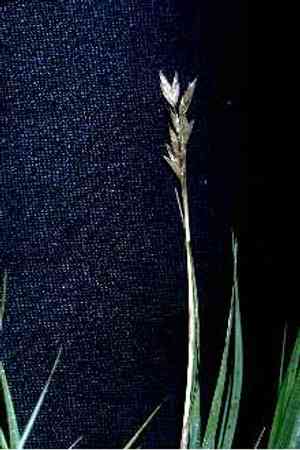
Desert Saltgrass flourishes in challenging conditions and possesses the capacity to endure salty ground. To achieve effective propagation, cultivators ought to utilize the separation technique, preferably focusing on established clumps. Gently divide the specimens at the root mass, making certain each new segment possesses sufficient roots for autonomous establishment. This procedure encourages strong root and leaf formation, ultimately boosting Desert Saltgrass's resilience and vitality.
When Is the Best Time to Propagate Desert Saltgrass?
Propagation Method
Division
Propagation Period
Spring,Autumn
What Tools Are Used for Desert Saltgrass Propagation?
Sharp Spade or Knife
This implement is essential for cutting through the root mass of desert Saltgrass during division. Its keen edge ensures clean cuts, promoting faster root recovery and minimizing plant damage and stress. This precision enhances propagation success by providing each section with healthy roots for establishment.
Rooting Hormone Powder
While not always required, applying rooting hormone to the cut root sections of desert Saltgrass can significantly boost root development in new divisions. This hormone stimulates root growth, helping propagated plants establish more quickly and robustly in new settings, especially in challenging conditions where desert Saltgrass naturally thrives.
Watering Can with Fine Rose
After division, maintaining adequate soil moisture is crucial for desert Saltgrass. A watering can with a fine rose attachment delivers a gentle, even water spray that won't disturb newly planted divisions. This tool ensures moisture reaches the roots without causing erosion or displacing soil around tender new plants.
Soil Thermometer
For a temperature-sensitive plant like desert Saltgrass, monitoring soil temperature is key to successful propagation. A soil thermometer helps maintain the optimal temperature range, which is vital during the critical initial stages of root development after division. This ensures a growth-conducive environment and reduces transplant shock.
How to Propagate Desert Saltgrass?
Propagation Difficulty
Easy
How to Care for Your Newly Propagated Desert Saltgrass?
How to Care for Your Newly Propagated Desert Saltgrass?
After propagation, desert Saltgrass needs minimal care. Ensure the soil stays moist but drains well. Desert Saltgrass tolerates salt, so occasional saline watering can be beneficial. As a tough grass, it requires full to partial sun and little to no fertilizer. Watch for stress signs like yellowing or wilting leaves, which may signal water imbalance or disease.
Common Mistakes to Avoid When Propagating Desert Saltgrass
Overwatering
Excessive moisture can cause root rot in desert Saltgrass, which typically thrives in drier conditions. Overwatering may lead to mushy roots and decrease the plant's overall health.
Using dense soil
Employing heavy or clay-rich soils can hinder the root development of desert Saltgrass. Dense soil retains more water and restricts air flow to the roots, which is detrimental for a plant adapted to well-drained environments.
Ignoring light requirements
Desert Saltgrass needs full sunlight for optimal growth. Planting it in too much shade can impede its development, making it weak and less likely to thrive or even survive.
Tips For Propagating Desert Saltgrass
Use sandy, well-draining soil
To mimic desert Saltgrass's natural habitat, use a sandy, well-draining growing medium. This ensures proper drainage and prevents waterlogging, promoting healthier root systems.
Moderate watering schedule
Maintain a balanced watering routine, allowing the soil to dry out slightly between waterings. This approach helps prevent overwatering, which is particularly harmful for desert Saltgrass.
Provide full sun exposure
Ensure desert Saltgrass is propagated in an area that receives full sunlight. This is crucial for the plant's growth as it replicates the light conditions of its natural, typically arid environment.



