How to Prune Desert Saltgrass?
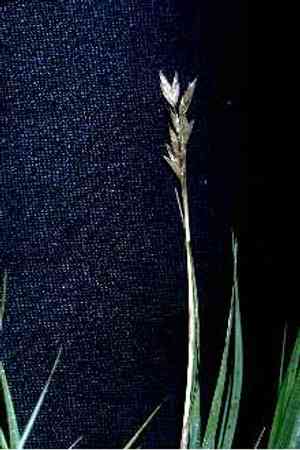
Desert Saltgrass is a robust, rhizome-producing grass that flourishes in salty conditions. To preserve its strength and aesthetic appeal, trim back mature leaves in early spring or late winter prior to the emergence of new shoots. This revitalizing cut encourages more compact, vibrant development. Eliminate any withered or compromised blades at any time to ensure neatness. Strategic trimming can boost its ability to withstand harsh conditions, especially in coastal or arid landscapes where durability is crucial. Promote a fuller form and avoid sparse growth through regular, targeted pruning.
What Are the Benefits of Pruning Desert Saltgrass?
What Are the Benefits of Pruning Desert Saltgrass?
Trimming desert Saltgrass promotes robust development by eliminating dead or crowded stems, fostering a denser, healthier plant structure. Consistent trimming helps maintain an attractive form, showcasing its adaptability in landscapes.
What Is the Best Time for Pruning Desert Saltgrass?
What Is the Best Time for Pruning Desert Saltgrass?
Pruning desert Saltgrass in late winter or early spring aligns with its dormant phase, preceding the active growth period. During this time, desert Saltgrass has not yet invested energy in new growth, meaning pruning won't disrupt photosynthesis or the creation of vital growth compounds. This timing also allows the plant to heal from cuts and reshape before it resumes active growth. It aids in maintaining plant health by removing dead or damaged tissue susceptible to disease, and it prevents unnecessary loss of flowers or seeds, as desert Saltgrass is primarily a grass species focused on vegetative growth rather than blooming.
What Tools Do I Need to Prune Desert Saltgrass?
Hand Pruners
Perfect for cutting through the slender, grass-like leaves and soft stems of desert Saltgrass. Opt for bypass pruners for cleaner cuts, which help prevent plant diseases.
Grass Shears
Excellent for precise trimming and shaping of desert Saltgrass, especially when dealing with clumped growth or cutting to a specific height.
Pruning Saws
Useful for larger, tougher growth that might be present in mature desert Saltgrass clumps. A saw with fine teeth would suit the grass's texture and growth habit.
How to Prune Desert Saltgrass
Identify Affected Leaves
Thoroughly inspect desert Saltgrass, focusing on identifying diseased and withered leaves, which often display discoloration, spots, or a dry, brittle texture.
Sanitize Tools
Before beginning the pruning process, disinfect pruning shears with a solution of one part bleach to nine parts water to prevent disease transmission.
Pruning Diseased Leaves
Carefully snip off diseased leaves at their point of attachment to the stem or the base of desert Saltgrass, being careful not to tear or harm nearby healthy tissue.
Remove Withered Leaves
Remove withered leaves from desert Saltgrass by cutting them at the base, close to the ground or the originating shoot, to encourage healthier growth and improve air circulation.
Cleanup and Dispose
Gather all pruned material from desert Saltgrass and discard it away from the garden area to minimize the risk of disease spreading to other plants.
Common Pruning Mistakes with Desert Saltgrass
Over-pruning
Removing too much foliage from desert Saltgrass at once can stress the plant and impede its growth. Aim to prune no more than one-third of the plant at a time to maintain its health and vigor.
Improper cuts
Making cuts too close to the main stem or leaving a large stub can invite disease and pests. Cuts should be made at a slight angle just above a node or a lateral branch.
Using dull tools
Employing dull pruning tools can cause unnecessary damage to the tissues of desert Saltgrass, leading to jagged cuts that heal poorly. Always use sharp and clean tools for clean cuts.
Pruning for aesthetics only
Focusing solely on the shape and size of desert Saltgrass without considering the plant's health and natural growth pattern can result in a weakened structure and reduced vitality.
Ignoring dead material
Neglecting to remove dead or dying foliage can hinder new growth and invite disease. Regularly check desert Saltgrass for dead material to be pruned away.
Random cuts
Cutting randomly without a strategy can lead to an unbalanced and sparse appearance. Plan your cuts to encourage a fuller and healthier growth pattern.
Common Pruning Tips for Desert Saltgrass
Know the plant
Understand the growth habit of desert Saltgrass to selectively prune the plant in a way that supports its natural form and function.
Encourage air circulation
Thin out dense areas to promote better air circulation, which can help prevent fungal diseases common in the thick foliage of desert Saltgrass.
Promote new growth
Prune just above growth nodes to encourage branching and denser foliage, which benefits desert Saltgrass's overall appearance and health.
Tackle pests proactively
Look out for signs of pest infestation during pruning and remove affected areas promptly to prevent spread to healthy parts of desert Saltgrass.
Timing with life cycle
While excluding the best season for pruning, ensure that your pruning aligns with the life cycle stages of desert Saltgrass, such as post-flowering or before new growth begins.
Clean equipment
Prioritize the cleanliness of your pruning tools to avoid transferring diseases from plant to plant, which is particularly crucial for desert Saltgrass.
Hydrate the plant
Water desert Saltgrass before pruning to ensure it’s hydrated and resilient, which can help it recover better from the stress of pruning.



