How to Transplant Brown beetle-grass?
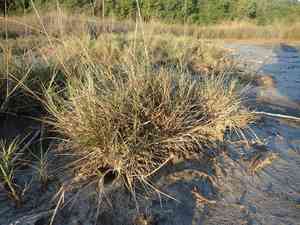
The ideal time to relocate brown beetle-grass is within the refreshing span of early to mid-spring, leveraging the mild climate and prime development circumstances. Choose a bright spot with adequately draining earth to guarantee a prosperous transfer. Careful manipulation is crucial.
What Preparations are Needed Before Transplanting Brown Beetle-grass?
What is the Ideal Time for Transplanting Brown Beetle-grass?
The optimal period for relocating brown beetle-grass is during the onset of spring, extending through its peak. This timeframe allows brown beetle-grass to establish roots firmly and flourish, benefiting from mild temperatures and increasing daylight, crucial for its development. Moving brown beetle-grass within this window also ensures strong establishment before summer heat or autumn frost, setting the stage for vigorous growth.
How Much Space Should You Leave Between Brown Beetle-grass Plants?
Greetings, aspiring gardener! For your lovely brown beetle-grass, you'll want to provide ample room for growth. Aim for a comfortable spacing of approximately 6-12 inches (15-30 cm) apart. This grants each plant sufficient area to spread its roots and absorb soil nutrients.
What is the Best Soil Mix for Brown Beetle-grass Transplanting?
Now, let's discuss the perfect foundation for your brown beetle-grass. They thrive in well-draining soil enriched with some organic matter. Prior to planting, fortify the soil with a balanced fertilizer to give them a robust beginning. Consider it a nutritious breakfast for your green companions!
Where Should You Relocate Your Brown Beetle-grass?
Sunlight is a vital component for your brown beetle-grass's well-being! Select a location where they can absorb at least six hours of daily sunlight. This sun-drenched spot will provide your plants with the energy needed for strong, healthy growth. Envision it as their personal sunny retreat!
What Equipments Should You Prepare Before Transplantation Brown Beetle-grass?
Gardening Gloves
To safeguard your hands while handling soil and plants.
Trowel
For excavating small holes and moving brown beetle-grass from a container or seedling tray.
Shovel or Spade
To extract brown beetle-grass from the ground with minimal root disturbance.
Watering Can or Hose
To hydrate brown beetle-grass before and after relocation.
Wheelbarrow
To transport brown beetle-grass from one spot to another if its size permits.
Pruning Shears
To trim any dead or damaged sections of brown beetle-grass prior to transplanting.
Organic Mulch
To apply around the base after transplanting, for moisture retention.
How Do You Remove Brown Beetle-grass from the Soil?
How Do You Remove Brown Beetle-grass from the Soil?
From Ground: First, water the brown beetle-grass plant to moisten the soil. Next, dig a wide trench around the plant using a shovel or spade, ensuring to include the plant's root ball. Carefully slide the spade beneath the root ball to lift the brown beetle-grass from its original position.From Pot: Begin by watering the brown beetle-grass to facilitate easier removal of the root ball. Invert the pot and gently tap the bottom and sides to loosen the soil and roots. Grasp the plant's base and carefully ease it out of the pot, supporting the root ball with your other hand.From Seedling Tray: Lightly water the soil to simplify seedling removal. Use a trowel or your fingers to gently separate the brown beetle-grass seedlings from their compartments, aiming to preserve as much of the root system as possible.
Step-by-Step Guide for Transplanting Brown Beetle-grass
Digging the Hole
Excavate a hole in the ground that is twice as wide and the same depth as the brown beetle-grass's root ball to allow ample space for root expansion without crowding.
Preparing the Plant
Inspect the brown beetle-grass's roots, trimming any broken or excessively long ones. If the plant is root-bound, gently untangle the roots to encourage outward growth.
Placement
Position the brown beetle-grass in the center of the hole, ensuring the top of the root ball is flush with the surrounding soil surface to promote proper water drainage.
Filling in
Carefully backfill around the root ball with the excavated soil, gently firming it down as you proceed to eliminate air pockets without over-compacting the soil.
Watering
Thoroughly water the brown beetle-grass immediately after planting to settle the soil and provide essential hydration for the roots.
Mulching
Apply a layer of organic mulch around the base of the brown beetle-grass, taking care not to pile it against the stems, to help retain soil moisture and regulate temperature.
How Do You Care For Brown Beetle-grass After Transplanting?
Initial Watering
Ensure the brown beetle-grass's soil remains consistently moist for the first few weeks post-transplant, aiding root establishment while preventing waterlogging.
Pruning
Remove any dead or diseased foliage to encourage new, healthy growth and direct the plant's energy towards establishing its root system.
Observation
Monitor the brown beetle-grass for indications of transplant shock, such as wilting or discolored leaves, and implement corrective actions as needed.
Stabilizing
If the plant is tall or top-heavy, gently stake it to prevent wind damage or uprooting while the new roots are becoming established.
Feeding
Refrain from fertilizing the brown beetle-grass immediately after transplanting; wait several weeks to allow the roots to recover before applying any nutrients.
Troubleshooting Common Issues with Brown Beetle-grass Transplantation.
How do I know when it's the best time to transplant brown beetle-grass?
The optimal period for transplanting brown beetle-grass is when both air and soil temperatures rise in early to mid-spring.
What is the ideal spacing for brown beetle-grass upon transplanting?
Space brown beetle-grass 6-12 inches (15-30 cm) apart to allow each plant sufficient room to flourish.
What should I do if brown beetle-grass wilts after transplanting?
Ensure it is adequately watered without being waterlogged, and provide some shade to aid its recovery from transplant shock.
Why are my transplanted brown beetle-grass plants turning yellow?
Yellowing can indicate over-watering, nutrient deficiency, or poor drainage. Assess and adjust as necessary.
How deep should I plant brown beetle-grass's roots?
The root ball should be positioned just below the surface, ensuring it's covered but not excessively deep.
Can I transplant brown beetle-grass on a hot, sunny day?
It is preferable to transplant brown beetle-grass on a cloudy day or in the evening to avoid immediate sun stress.
How much should I water brown beetle-grass after transplanting?
Water thoroughly until moist, but not saturated. Maintain consistent moisture, especially during the initial weeks.
Is it necessary to amend the soil when transplanting brown beetle-grass?
Yes, incorporating compost or well-rotted manure enriches the soil and provides brown beetle-grass with a strong start.
Should I prune brown beetle-grass when transplanting?
Only remove damaged or dead portions to direct energy towards root establishment and minimize transplant stress.
How do I protect brown beetle-grass from pests after transplanting?
Regularly inspect for pests and use appropriate treatments. Healthy planting practices help prevent infestations.



