How to Prune Brown beetle-grass?
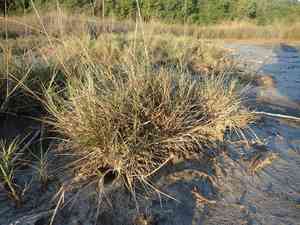
To ensure the best care for brown beetle-grass, a perennial species flourishing in moist habitats, perform trimming during its dormant phase in early spring or winter. Eliminate any deceased or deteriorating leaves to sustain its vitality and aesthetic appeal. Cutting back promotes more compact development and hinders self-propagation. Refrain from severe cutting to facilitate recuperation. The advantages of pruning encompass improved plant well-being and regulated dissemination, serving cultivators who seek vigorous, expertly maintained grasslands.
Advantages of Trimming Brown Beetle-grass
Advantages of Trimming Brown Beetle-grass
Trimming brown beetle-grass promotes robust development and helps maintain its desired form. Cutting back encourages new shoots, resulting in a denser and more visually appealing structure.
Optimal Time for Trimming Brown Beetle-grass
Optimal Time for Trimming Brown Beetle-grass
Trimming brown beetle-grass in early spring is beneficial as it occurs just before the start of the growing season. This timing allows the plant to recover quickly from cuts and direct its energy into new growth, fostering a healthier and more vigorous plant. Winter trimming is also advantageous since brown beetle-grass is dormant during this period. Removing dead or diseased material during dormancy helps prevent pathogen spread and prepares the plant for strong spring growth. Furthermore, the absence of leaves provides better visibility for trimming, ensuring more precise cuts and preserving the plant's structure.
Tools Required for Trimming Brown Beetle-grass
Bypass Pruners
Brown beetle-grass is a type of grass, and its delicate texture necessitates sharp, accurate cuts to prevent stem crushing. Bypass pruners are ideal for making clean cuts on finer foliage, thereby promoting better regrowth.
Grass Shears
Given brown beetle-grass's grass-like characteristics, grass shears are perfect for shaping and maintaining its form. These shears can trim grass blades uniformly, which is crucial for the aesthetic upkeep of brown beetle-grass.
String Trimmer
For larger areas of brown beetle-grass, a string trimmer can be used to efficiently cut the grass to the desired height. This provides a quick method for managing extensive growth of brown beetle-grass without harming the plant.
Long-Handled Loppers
If brown beetle-grass has developed thicker, woody stems or is overgrown, long-handled loppers could be useful for trimming these areas with greater leverage and reach.
How to Trim Brown Beetle-grass
Sanitize tools
Sanitize pruning shears with rubbing alcohol or a 10% bleach solution to prevent disease transmission.
Identify diseased areas
Carefully inspect brown beetle-grass for diseased leaves, indicated by discoloration, spots, or other unusual signs.
Remove diseased leaves
Using the sanitized shears, cut away diseased leaves at the base of the leaf stem, ensuring not to tear or damage adjacent healthy tissue.
Identify withered leaves
Locate withered or dead leaves on brown beetle-grass which appear dry, brown, and brittle. These leaves no longer contribute to the plant's development.
Remove withered leaves
Remove withered leaves by cutting them at the base of the leaf stem with the sanitized shears, being careful not to harm new growth or healthy parts of the plant.
Common Trimming Errors with Brown Beetle-grass
Excessive trimming
Removing too much foliage at once is a common mistake that can stress brown beetle-grass, leading to weakened health or reduced vigor.
Incorrect cut placement
Cuts made too far from or too close to the bud can harm brown beetle-grass, as it hinders proper healing and may leave the plant susceptible to diseases.
Using dull implements
Dull or unclean trimming tools can damage the stems of brown beetle-grass, creating jagged cuts that are more prone to infection.
Ignoring diseased sections
Failing to remove diseased or damaged growth can allow infections to spread, jeopardizing the health of brown beetle-grass.
Trimming too often
Brown beetle-grass may be trimmed too frequently, which can diminish its growth capacity and alter its natural shape and appearance.
General Trimming Advice for Brown Beetle-grass
Clean trimming tools
Before trimming brown beetle-grass, ensure all tools are clean and sharp to make precise cuts, which aids in the plant's faster recovery.
Consider plant vitality
Assess the health of brown beetle-grass before trimming. Focus on removing only dead, diseased, or excess growth while leaving healthy green shoots intact.
Make angled cuts
When trimming brown beetle-grass, make clean, angled cuts above buds to encourage water runoff and prevent disease.
Trim in stages
For a dense brown beetle-grass, trim gradually in stages to maintain plant shape and avoid excessive foliage loss which can stress the plant.
Wear protective gear
As brown beetle-grass can have tough stems, ensure to wear appropriate protective gear to avoid injuries while trimming.



