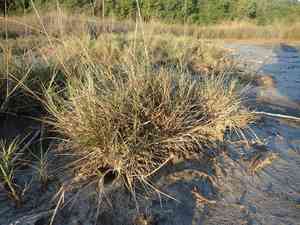
Brown beetle-grass (Diplachne fusca)
Also known as: Beetlegrass
*Diplachne fusca*, commonly known as brown beetle-grass, is a widespread species that flourishes in wet and saline environments globally. It is valued for its capacity to enhance soils impacted by high salinity. Despite its benefits, it is considered a potentially invasive species in the Canary Islands, Spain.
In This Article
Attributes of Brown beetle-grass
Lifespan
Perennial, Annual
Plant Type
Grass
Plant Height
10 cm to 1.02 m
Spread
N/A
Leaf Color
Green
Flower Size
15 cm to 25 cm
Flower Color
Yellow Green Brown
Images of Brown beetle-grass
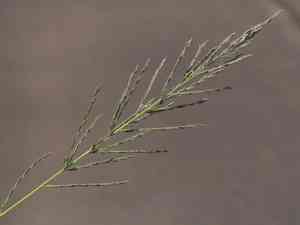
Quickly Identify Brown beetle-grass
1
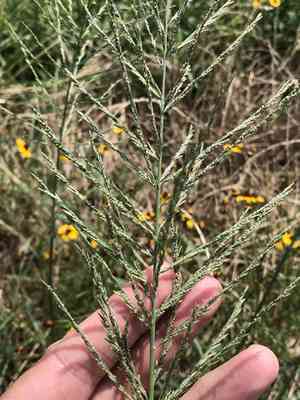
This grass species can be identified by its slender, erect stems and linear leaves that are typically flat or slightly folded. The inflorescence is a loose panicle with spikelets that are brown to purplish in color.
Scientific Classification of Brown beetle-grass
Phylum
Vascular plants
Class
Monocotyledons
Order
Poales
Family
Grass
Genus
Diplachne
Species
Brown beetle-grass
Planting and Growing of Brown beetle-grass
Care Difficulty
Easy
Watering Schedule
Every 4 days
Sunlight Requirements
Partial sun
Sunshine Duration
4-6 hours
Ideal Temperature
75-86℉
Soil Type
Potting Mix, Peat Mix
Soil pH
5.5-9
Fertilizer Type
Balanced
Pruning Season
Spring, Summer
Pruning Area
Branches, Leaves
Pruning Frequency
Once a year
Repotting Season
Spring
Pot Type
Terracotta, Plastic
 How to Water Brown beetle-grass?
Diplachne fusca prefers a balanced watering strategy. Ensure the soil is consistently moist but never waterlogged. Aim to moisten the soil with approximately 250 ml of water per session, allowing water to penetrate deeply without permitting stagnant water.
What are the symptoms of an underwatered Brown beetle-grass?
›
What should I do if my Brown beetle-grass is not getting enough water?
›
What are the symptoms of an overwatered Brown beetle-grass?
›
How to save an overwatered Brown beetle-grass?
›
 What Are the Sunlight Requirements for Brown beetle-grass?
Diplachne fusca prefers partial to full sun, benefiting greatly from 4 to 6 hours of natural sunlight daily. This promotes lush growth and enhances its overall health and appearance.
What is the ideal sunlight for Diplachne fusca?
›
How can I achieve the ideal lighting conditions?
›
What are the benefits of providing ideal lighting?
›
 What Is the Ideal Temperature Range for Brown beetle-grass?
Diplachne fusca thrives best between 75 and 86 degrees Fahrenheit. This range supports both optimal growth and overall plant health, ensuring efficient photosynthesis and nutrient absorption.
 What Soil is Best for Brown beetle-grass?
Diplachne fusca thrives in nutrient-rich soils that provide the necessary macronutrients for optimal growth. High fertility results in robust root development and top growth, enhancing the overall health and drought resistance of the plant. A well-draining soil texture is crucial for Diplachne fusca as it prevents root rot and other waterlogged-related diseases. Proper drainage ensures that water does not linger, promoting aeration and healthy microbial activity, vital for plant vitality. Maintaining moderate moisture levels in the soil helps prevent both drought stress and waterlogging. Diplachne fusca is adept at adjusting to environments with varied moisture levels, but consistent soil moisture supports continuous growth and vigor.
 How to Fertilize Brown beetle-grass?
For Diplachne fusca, apply about 20 grams of granular fertilizer per square meter or an equivalent liquid concentration. Ensure a balanced nutrient ratio, with particular attention to sufficient nitrogen and potassium. Over-fertilizing can damage roots, so it's better to err on the side of caution.
 How to Prune Brown beetle-grass?
Before pruning, thoroughly inspect Diplachne fusca for any signs of disease or pest infestations. Identifying these issues early helps in taking corrective actions. Start by removing any dead or yellowing blades at the base of the plant. Cut at a slight angle to help rain run off and prevent rot, ensuring that the remaining blades have enough space for aeration. Be cautious not to remove more than one-third of the plant at any one time. Excessive pruning can stress the plant and hinder its growth, leaving it vulnerable to diseases.
More About Pruning Techniques→
 How to Propagate Brown beetle-grass plant?
1
Collect seeds from mature plants and ensure they are clean and dry to prevent mold. Before sowing, consider scarifying the seeds to enhance water uptake and germination rate.
2
Fill the seed tray with a suitable potting mix and evenly distribute seeds on the surface. Lightly cover with soil and water gently. Keep the soil consistently moist but not waterlogged.
3
Carefully dig out the plant, separating the clumps using a sharp knife or your hands. Make sure each division has roots attached, then replant them into the soil and water thoroughly.
 How to Repot Brown beetle-grass plant?
1
Diplachne fusca should be repotted when you observe roots poking through the drainage holes, or if the plant's growth appears stunted. These are clear signs that the plant has outgrown its current pot and requires more room for root expansion.
2
Select a pot with drainage holes that's slightly larger than the current one. This ensures proper drainage and prevents waterlogging, which can be detrimental to your plant’s health. A clay pot offers excellent aeration and helps manage moisture levels.
3
Opt for a well-draining sandy loam soil rich in organic matter. This type of soil allows excess water to drain efficiently, reducing the risk of root rot, while still providing essential nutrients that promote robust plant growth.



