The Brown beetle-grass Plant Advantage: Maximizing Home and Office Appeal and Wellness
1
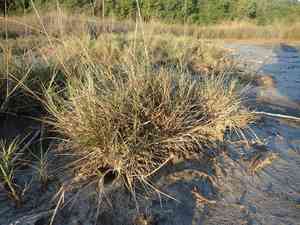
Brown beetle-grass is crucial for stopping soil loss in diverse settings.
2
This hardy plant greatly aids in cleaning water in natural aquatic systems.
3
Brown beetle-grass provides essential shelter and sustenance for animals.
How Does Brown beetle-grass Prevent Soil Erosion?
Root Structure and Soil Stabilization
Brown beetle-grass possesses a thick root system that effectively anchors the soil, decreasing the likelihood of erosion, particularly in susceptible areas like slopes and riverbanks. Its roots penetrate deep into the earth, forming an interconnected network that secures soil particles and minimizes displacement caused by wind or water runoff. This natural stabilization process is invaluable for preserving soil integrity in erosion-prone regions.
Vegetative Cover and Protection
The dense plant cover of Brown beetle-grass acts as a protective layer for the soil surface. This covering lessens the impact of raindrops, which might otherwise dislodge soil particles and lead to erosion. By maintaining a consistent vegetation layer, Brown beetle-grass ensures a reduced rate of surface runoff and encourages water absorption into the soil, thereby conserving soil moisture and lowering erosion risk.
What Role Does Brown beetle-grass Play in Water Purification?
Filtration of Pollutants
Brown beetle-grass aids in water purification by functioning as a natural filter. Its extensive root system captures and absorbs contaminants from water, such as heavy metals, nitrogen compounds, and phosphates. These pollutants, often found in agricultural runoff and industrial waste, are significantly diminished as water flows through areas abundant with Brown beetle-grass, leading to cleaner and healthier water bodies.
Maintaining Aquatic Ecosystems
Beyond filtering pollutants, Brown beetle-grass plays a crucial role in sustaining aquatic ecosystems. Its presence along water edges helps stabilize sediments and improve water clarity, which is vital for the well-being of aquatic plants and animals. The plant's natural processes enhance water quality, fostering a balanced ecosystem and supporting biodiversity.
Why Is Brown beetle-grass Important for Wildlife?
Habitat Creation
Brown beetle-grass provides essential living space for a variety of wildlife species. Its dense foliage offers refuge and protection for small mammals, insects, and birds, creating a microenvironment where these creatures can flourish. This plant thus serves as a critical component of a healthy ecosystem, supporting a range of species across different trophic levels.
Food Source and Forage
Beyond offering shelter, Brown beetle-grass acts as a dependable food source for many herbivores. Grazing animals, including livestock, consume its abundant biomass, acquiring necessary nutrients. By supporting both wild and domesticated animals, Brown beetle-grass promotes a sustainable cycle of life and nutrient exchange within ecosystems, contributing to overall ecological resilience.
How Can Brown beetle-grass Contribute to Sustainable Landscaping?
Low Maintenance Requirements
Brown beetle-grass is an excellent choice for sustainable landscaping due to its minimal upkeep needs. This resilient plant requires little watering and fertilization, making it ideal for use in areas with limited water resources. Its natural growth habit significantly reduces the need for chemical inputs, promoting an eco-friendly approach to land management.
Enhancing Landscape Biodiversity
Incorporating Brown beetle-grass into landscapes boosts local biodiversity by providing habitat and food resources for various organisms. Its presence can create a more robust ecosystem capable of better withstanding environmental stresses. Additionally, using Brown beetle-grass in mixed plantings can improve overall landscape aesthetics and ecological function, making it an appealing choice for gardeners and conservationists alike.



