How to Transplant Velvet apple?
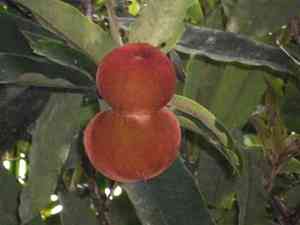
The most suitable period for relocating velvet apple is when the earth starts to warm, generally from early spring through its peak. Select a location that receives abundant sunlight and possesses good drainage for velvet apple. During the transplanting process, carefully loosen the roots to foster vigorous development in their new environment.
What Preparations are Needed Before Transplanting Velvet Apple?
What is the Ideal Time for Transplanting Velvet Apple?
The optimal period to move velvet apple is from early spring's awakening until its prime. Relocating during this timeframe allows roots to establish prior to summer's heat. You'll achieve a strong, flourishing velvet apple when planted within this vigorous growth window, promoting successful re-establishment.
How Much Space Should You Leave Between Velvet Apple Plants?
Hello, fellow gardener! Begin by providing your velvet apple ample room to thrive. Aim for a separation of approximately 15-18 feet (4.6-5.5 meters) between plants. This guarantees your velvet apple has sufficient space to grow without competition, setting it up for initial success!
What is the Best Soil Mix for Velvet Apple Transplanting?
Ready to get your hands dirty? Velvet apple prefers well-draining, rich soil. Incorporate some compost or a balanced slow-release fertilizer to give your velvet apple an advantage. Remember to maintain a slightly acidic to neutral soil pH, around 6.0-7.0, for healthy roots.
Where Should You Relocate Your Velvet Apple?
Find a sunny spot where your velvet apple can enjoy full to partial sunlight. This particular plant flourishes with at least 4-6 hours of sun daily. So, locate a bright and cheerful place, and your velvet apple will reward you with abundant growth!
What Equipments Should You Prepare Before Transplantation Velvet Apple?
Gardening Gloves
To safeguard your hands while handling soil and the plant.
Spade or Shovel
For excavating the plant and preparing the new planting site.
Watering Can or Hose
To hydrate the plant before and after its relocation.
Pruning Shears
To trim any damaged roots or foliage prior to transplanting.
Wheelbarrow
For moving the plant and soil without straining your back.
Garden Fork
To loosen the earth surrounding the plant's root ball.
Rake
To smooth and prepare the ground at the new location.
Tarp
To place the removed plant on and protect the surrounding area from soil spillage.
How Do You Remove Velvet Apple from the Soil?
How Do You Remove Velvet Apple from the Soil?
From Pot: Start by thoroughly watering the velvet apple plant to facilitate rootball removal. Turn the pot on its side, support the plant at its base, and gently tap or jiggle to loosen. Carefully slide the plant out without pulling, ensuring the root system remains intact.From Ground: First, water the velvet apple plant to moisten the soil. Next, dig a wide trench around the plant using a shovel or spade, making sure the plant's root ball stays whole. Carefully work the spade beneath the root ball to lift the plant from its original spot.From Seedling Tray: Dampen the soil to allow for gentle root removal. Use a small tool or your fingers to ease the seedling out, ensuring you support the root ball to keep it together as it's lifted from the tray.
Step-by-Step Guide for Transplanting Velvet Apple
Preparation
Before digging up the velvet apple, ensure all tools are clean to prevent disease spread. Gather your tools and prepare the new planting area by clearing weeds and debris.
Digging Up
Use the spade or shovel to carefully dig around the velvet apple, taking care to preserve as much of the root ball as possible. Once loose, lift the plant out of the ground with minimal root disturbance.
Transporting
Place the dug-up velvet apple onto a tarp or wheelbarrow to transport it carefully to its new location. Avoid any harsh movements that might damage the plant.
Planting Hole
Dig a hole in the prepared spot that is twice as wide as the root ball and of the same depth to prevent the roots from being buried too deeply.
Placing in Ground
Gently place the velvet apple in the center of the hole. Ensure that it's upright and at the same level it was in the previous location. Fill the space around the root ball evenly with soil.
Watering
Water the velvet apple slowly and deeply, to help settle the soil and eliminate air pockets. The water will also provide the necessary hydration for the plant to recover.
Initial Care
Keep the area around the velvet apple free from weeds and use mulch to help retain moisture. As the plant establishes, stake it if necessary to provide support until its roots are firmly grounded.
How Do You Care For Velvet Apple After Transplanting?
Mulching
Apply a layer of organic mulch around the base of the velvet apple to conserve moisture and regulate soil temperature. Be sure to keep the mulch a few inches away from the stem to prevent rot.
Staking
If the velvet apple plant is tall or appears unstable, use stakes to support it until the roots have enough time to anchor firmly into the soil.
Pruning
Trim away any broken or damaged branches to conserve the velvet apple's energy for root establishment rather than repairing upper growth.
Monitoring
Regularly check the soil moisture and ensure that the velvet apple is not waterlogged or too dry. Make adjustments to watering based on the weather and soil conditions.
Protection
Guard the newly transplanted velvet apple from pests and diseases by checking its leaves and stems periodically. Use protective netting or fencing if local wildlife is likely to disturb the plant.
Troubleshooting Common Issues with Velvet Apple Transplantation.
How do I know when itâs the best time to transplant velvet apple?
Relocate velvet apple when the weather moderates, typically from early to late spring, as temperatures are mild.
What is the ideal distance between velvet apple when planting?
Space velvet apple generously, ideally 15-18 feet (4.5-5.5 meters) apart, to allow ample room for growth.
What size should the new hole for velvet apple be?
Excavate a hole twice as wide as the root ball but just as deep, ensuring velvet apple sits at ground level.
How much water does velvet apple need after transplanting?
Water velvet apple thoroughly post-transplant to settle the soil. Then, keep the soil consistently moist but not saturated.
What should I do if velvet apple leaves wilt after transplanting?
Ensure velvet apple is well-hydrated and shielded from intense midday sun. Wilting often indicates transplant shock.
Does velvet apple require a specific soil type when transplanting?
Yes, velvet apple thrives in well-draining, fertile soil; enriching with compost can improve poor soil conditions.
Can I transplant velvet apple on a hot, sunny day?
Avoid hot weather for transplanting velvet apple. Choose cooler, overcast days to minimize stress on the plant.
How do I avoid transplant shock with velvet apple?
Acclimatize velvet apple gradually to new location conditions and keep the soil moist to reduce transplant shock.
Should I prune velvet apple before or after transplanting?
Light pruning of damaged or dead branches before transplanting velvet apple aids in a smoother transition and recovery.
When can I start fertilizing velvet apple after transplanting?
Wait until velvet apple shows new growth before starting to fertilize, indicating it has begun to settle in.



