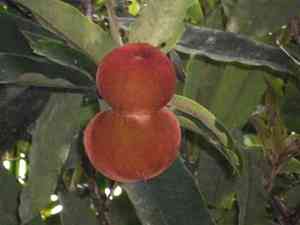
Velvet apple (Diospyros discolor)
Also known as: Mabolo tree, Kamagong
The velvet apple (Diospyros blancoi), also known as mabolo, is a tropical tree indigenous to the Philippines. Its fruit resembles an apple but is covered in a peach-like fuzz and has a flavor and aroma similar to a peach. The tree is also noted for its dark, dense wood, which is highly valued for its strength and durability. This wood is commonly used in crafting elegant furniture, various martial arts tools, and musical instruments.
In This Article
Attributes of Velvet apple
Lifespan
Perennial
Plant Type
Tree
Plant Height
15 m to 30 m
Spread
8-10 meters
Leaf Color
Green Silver
Flower Size
2.5 cm
Flower Color
White
Quickly Identify Velvet apple
1
Identify Diospyros discolor by its distinct velvety fruit skin, dark green leaves that are glossy on the upper side and pale underneath, and the presence of a short, thick trunk.
Scientific Classification of Velvet apple
Phylum
Vascular plants
Class
Dicotyledons
Order
Ericales
Family
Ebony
Genus
Diospyros
Species
Velvet apple
Planting and Growing of Velvet apple
Care Difficulty
Hard
Watering Schedule
Every 4 days
Sunlight Requirements
Full sun
Sunshine Duration
4-8 hours
Ideal Temperature
68-86℉
Soil Type
Potting Mix, Peat Mix
Soil pH
6.5-7.5
Fertilizer Type
Balanced
Pruning Season
Spring, Summer
Pruning Area
Branches, Leaves
Pruning Frequency
2 times a year
Repotting Season
Spring
Pot Type
Plastic, Ceramic
 How to Water Velvet apple?
For Diospyros discolor, the amount of water should be enough to soak the root system thoroughly but without causing stagnant water. This typically means about 1000 milliliters per session. The soil should be moist but not waterlogged, ensuring proper drainage to maintain balance.
What are the symptoms of an underwatered Velvet apple?
›
What should I do if my Velvet apple is not getting enough water?
›
What are the symptoms of an overwatered Velvet apple?
›
How to save an overwatered Velvet apple?
›
 What Are the Sunlight Requirements for Velvet apple?
Diospyros discolor performs best under partial to full sun conditions, benefitting from approximately 4 to 6 hours of light. Ideal lighting contributes to robust growth and healthy leaf coloration.
More About Sunlight Requirements Techniques→
What is the ideal lighting condition for Diospyros discolor?
›
How can I provide ideal lighting for Diospyros discolor?
›
What are the benefits of providing ideal lighting conditions?
›
 What Is the Ideal Temperature Range for Velvet apple?
Diospyros discolor thrives best in a warm climate, with ideal temperatures ranging between 68 to 86°F. This range ensures optimal photosynthesis and metabolism, facilitating robust growth and fruit production. Ensuring temperatures within this range can prevent stress and promote healthy foliage and flowering.
 What Soil is Best for Velvet apple?
Diospyros discolor, commonly known as Velvet Apple, thrives in well-drained soil that prevents waterlogging. This requirement ensures the roots have access to oxygen and reduces the risk of fungal diseases, fostering healthier growth. A nutrient-rich soil is essential for the Velvet Apple to produce luscious fruit. Rich soils provide essential minerals and nutrients that promote robust development, thereby enhancing fruit quality. This plant prefers a slightly acidic to neutral pH, ranging from 6.5 to 7.5. Such a pH range optimizes nutrient uptake and overall plant health, ensuring vigorous growth and productivity.
 How to Fertilize Velvet apple?
For Diospyros discolor, it is important to apply a balanced fertilizer at a rate of about 5g per square meter. Young plants may require slightly less. Always dissolve thoroughly in water to avoid root burn for liquid applications.
 How to Prune Velvet apple?
Start by removing any dead or diseased branches using sharp pruning shears. Make sure to cut at a 45-degree angle just above a bud or branch junction. Trim any crossing branches to promote airflow and reduce the risk of disease. It's important to keep the tree's shape symmetrical to ensure even growth. Aim to shape the crown by selectively pruning branches to create a balanced canopy. This encourages sunlight exposure to all parts of the tree, enhancing photosynthesis and fruit production. Regularly shape the crown to minimize excessive growth that could lead to breakage or uneven weight distribution.
More About Pruning Techniques→
 How to Propagate Velvet apple plant?
1
Collect mature seeds from ripe fruits and clean them thoroughly. Soak the seeds in water for 24 hours to promote faster germination. Ensure you use fresh seeds for higher germination rates.
2
Select healthy rootstock and scion. Cut both pieces with a grafting knife at a matching angle. Secure them together with grafting tape, ensuring the cambium layers align for a successful union.
3
Fill seedling trays with seed-starting mix and plant seeds about 1 cm deep. Water gently to keep the soil moist but not waterlogged. Keep the trays in a warm, sunny location to encourage sprouting.
 How to Repot Velvet apple plant?
1
Repot your Diospyros discolor when the roots start coming out of the bottom, indicating the pot is too small. Also, if the growth slows down significantly or the soil dries out quickly, these are clear signs that repotting is necessary.
2
Select a pot that's 2-3 inches larger in diameter than the current one. Ensure it has drainage holes to prevent waterlogging, which can lead to root rot. A larger pot gives roots room to expand and promotes healthy growth.
3
Use a well-draining potting mix, rich in organic matter to retain some moisture but prevent water stagnation. This balances drainage and moisture, supporting the plant's unique needs while encouraging root health.
Learn More About Velvet apple Diseases
Anthracnose
Bacterial Leaf Spot
Crown Gall
Cyst Nematode
Damping-off
Downy Mildew
Drought Stress
Fusarium Wilt
Gray Mold
Leaf Spot
Mosaic
Nutrient Deficiency
Nutrient Toxicity
Powdery Mildew
Root Rot
Root-knot Nematode
Rusts
Sooty Mold
Spider Mites
Temperature Stress
Thrips Damage
White Mold
Chemical Injury



