How to Propagate Velvet apple?
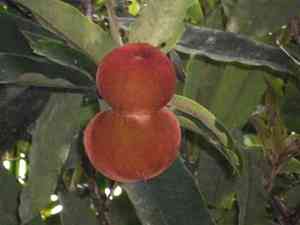
A member of the Ebenaceae botanical group, the velvet apple is a fruit-producing tree from tropical regions, recognized for its palatable, persimmon-like fruit. Reproduction typically utilizes stem sections, which ought to be harvested from robust, pathogen-free mature trees. These sections need to be prepared using a keen, disinfected instrument to lessen harm and the possibility of contamination. Rooting hormones can improve the likelihood of successful root development. Sustaining elevated humidity and consistent warmth is crucial for the cuttings to flourish. Gentle management of nascent plants is essential as they mature and are moved to their final locations.
Optimal Period for Velvet Apple Propagation
Propagation Method
Cutting
Propagation Period
Autumn,Winter
Tools Required for Velvet Apple Propagation
Sharp Pruning Shears
Essential for making clean cuts when taking velvet apple cuttings, sharp pruning shears help prevent disease and encourage quicker healing and rooting.
Rooting Hormone Powder or Gel
This product aids in the development of roots in velvet apple cuttings. Dipping the cut end into the hormone significantly boosts the likelihood of successful rooting, vital for the health and growth of new velvet apple plants.
Sterile Potting Mix
A sterile potting mix ensures velvet apple cuttings are free from harmful pathogens that could hinder root development. This medium offers necessary support and nutrients, helping cuttings establish more effectively.
Humidity Dome or Plastic Cover
Maintaining high humidity around velvet apple cuttings is crucial to prevent moisture loss as new roots form. A humidity dome or plastic cover creates an ideal moist environment that promotes growth.
Heat Mat
Optional yet beneficial, a heat mat encourages root growth by maintaining a consistent, warm soil temperature. This is especially useful when propagating velvet apple in cooler climates or during colder months.
Velvet Apple Propagation Difficulty
Propagation Type
Moderately Difficult
Post-Propagation Care for Velvet Apple
How to Care for Your Newly Propagated Velvet Apple?
Following successful propagation, gradually expose velvet apple to increased direct sunlight over several weeks. Continue to water the plant regularly, allowing the top inch of soil to dry out between watering. Velvet apple benefits from a balanced, slow-release fertilizer every few months during its growing season. Regular pruning helps maintain its desired shape and encourages healthy growth. Monitor for pests and diseases, particularly in warmer periods.
Common Errors to Avoid During Velvet Apple Propagation
Using inappropriate soil mix
Propagating velvet apple in poorly draining soil can lead to root rot. It's crucial to ensure the soil provides adequate drainage and aeration to support the delicate root system of this species.
Over-watering
Excessive watering of velvet apple during propagation can saturate cuttings or seeds, leading to fungal infections or root rot. This plant prefers drier conditions for root establishment.
Inadequate sunlight
While velvet apple needs light for effective propagation, direct, harsh sunlight can stress and burn the plant, negatively impacting root development and overall health.
Not using fresh seeds
For velvet apple seed propagation, using old seeds can significantly reduce germination rates. Freshness is critical for seed viability and vitality.
Tips for Propagating Velvet Apple
Use well-draining soil
Ensure the soil mix is loose and well-aerated. A blend of peat, perlite, and compost is ideal for velvet apple, helping prevent moisture retention and root diseases.
Moderate watering
Keep the soil slightly moist but not waterlogged. Water velvet apple sparingly, allowing the soil to dry out slightly between sessions to encourage robust root growth.
Optimal light conditions
Provide velvet apple with bright, indirect sunlight. This ideal light setting prevents leaf and root burn while ensuring sufficient light for growth.
Utilize healthy parent plants
When taking cuttings for propagation, ensure the parent plant is healthy and disease-free. This strategy increases the chances of successful propagation and the overall health of velvet apple cuttings.



