How to Prune Velvet apple?
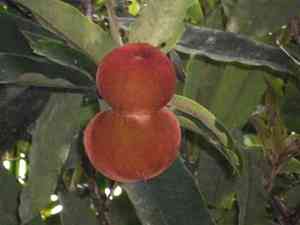
This tropical fruit tree yields palatable, persimmon-like fruits distinguished by their soft, fuzzy skin. Essential pruning methods for the velvet apple involve reducing crowded branches to enhance light exposure and airflow, excising dead or ailing wood to preserve the plant's well-being, and sculpting the crown for robust architecture. The most effective time for pruning is during the winter season when the plant is inactive. Pruning encourages fresh development, boosts fruit yield, and deters pest problems by eliminating potential breeding grounds.
What Are the Benefits of Pruning Velvet Apple?
What Are the Benefits of Pruning Velvet Apple?
Trimming velvet apple promotes more robust development by stimulating fresh, vigorous growth. It also assists in maintaining its desired form and dimensions, ensuring velvet apple remains aesthetically pleasing and manageable within the landscape.
What Is the Best Time for Pruning Velvet Apple?
What Is the Best Time for Pruning Velvet Apple?
Pruning velvet apple at this time allows for the removal of any lifeless or compromised branches without affecting the subsequent growth cycle. This period occurs after the coldest part of winter, which can harm newly cut limbs, but before spring, when sap flow and growth are active. This timing helps foster healthy new growth, lowers the chance of disease, and ensures that any spring and summer buds and flowers are not accidentally removed, enabling proper fruit production.
What Tools Do I Need to Prune Velvet Apple?
Hand Pruners
Perfect for making clean cuts on velvet apple's smaller branches and twigs. Bypass pruners are effective, providing a sharp, scissor-like cut without crushing plant tissues.
Loppers
Useful for cutting through thicker branches that hand pruners cannot manage. Loppers provide extra leverage and reach, making them suitable for velvet apple's larger branches.
Pruning Saw
Essential for removing velvet apple's limbs exceeding 1.5 inches in diameter. A sharp, curved blade enables efficient cutting of thicker growth without causing damage.
Pole Pruner
Recommended for reaching higher branches of velvet apple without needing a ladder. It offers a safe method to trim taller specimens.
Gardening Gloves
Important for protecting the gardener's hands from velvet apple's rough bark and any sharp tools or thorny growth.
Safety Glasses
Crucial for shielding the gardener's eyes from flying debris during the pruning of velvet apple.
How to Prune Velvet Apple
Preparation
Before trimming velvet apple, ensure your tools are clean and sharp to make precise cuts and minimize disease risk. Wear protective gloves and eyewear for safety.
Identify
Carefully inspect velvet apple to locate dead branches, which are often brittle, dry, and discolored, and diseased branches, which may show abnormalities like unusual growths or discoloration.
Sanitize
Disinfect your pruning tools with alcohol or a 10% bleach solution before and after cutting diseased branches of velvet apple to prevent pathogen spread.
Cut Dead Branches
Trim dead branches of velvet apple by making clean cuts at a 45-degree angle just above a healthy branch or bud to encourage proper healing and reduce water accumulation.
Remove Diseased Branches
Eliminate diseased branches of velvet apple by cutting well into healthy tissue below the affected parts to ensure all traces of the infection are completely removed.
Common Pruning Mistakes with Velvet Apple
Excessive Pruning
Removing too much foliage from velvet apple can stress the plant, reducing its vigor and fruit production. It's vital to prune no more than one-third of the canopy at a time.
Improper Cut Locations
Making cuts either too close to the trunk or too far from it can lead to poor healing or excessive dieback. It's important to cut just beyond the branch collar to promote healthy regrowth.
Pruning Healthy Branches
Unnecessarily cutting healthy branches can limit velvet apple's growth potential and harm its natural shape. Prune only dead, diseased, or crossing branches that negatively affect the plant's structure.
Neglecting Tool Sanitation
Failing to disinfect tools between cuts can spread diseases to velvet apple. Clean tools with a solution of bleach or alcohol to minimize disease transmission.
Not Sealing Cuts
Open cuts can attract pests or fungal infections. For larger branches, use a pruning sealant to help protect the wound until it heals naturally.
Common Pruning Tips for Velvet Apple
Selection Of Branches
Identify and remove branches that are dead, damaged, or diseased to maintain the health and appearance of velvet apple. This encourages the growth of strong, healthy branches.
Canopy Thinning
Thin out the canopy of velvet apple to allow light and air to penetrate the inner foliage, promoting better fruiting and reducing the risk of disease.
Maintenance Pruning
Perform regular maintenance pruning to shape velvet apple and control its size, which makes it easier to harvest the fruit and enhances its ornamental appeal.
Branch Angle Consideration
Retain branches with wider angles, as they're stronger and more productive. Narrow-angled branches are prone to snapping and should be trimmed.
Use Of Sharp Tools
Always use clean, sharp tools to make precise cuts, which heal more quickly and reduce the likelihood of disease entry.



