How to Transplant Fall witchgrass?
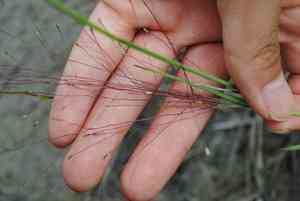
Fall witchgrass flourishes optimally when relocated between mid-spring and late spring, enabling its root system to become firmly established prior to its most vigorous summer growth. Select a bright spot with soil that drains effectively to ensure perfect growing circumstances.
Necessary Preparations Before Relocating Fall Witchgrass?
Optimal Period for Relocating Fall Witchgrass?
Fall witchgrass, a perennial, is best moved from mid to late spring when ground conditions are ideal, fostering strong root development. Moving it during this time ensures the plant benefits from mild temperatures and increased daylight. This timing boosts growth and resilience, preparing the plant for the harsher summer months ahead.
Required Spacing Between Fall Witchgrass Plants?
When relocating fall witchgrass, position each plant 18-24 inches (45-60 cm) apart. This provides ample room for growth and access to vital nutrients without overcrowding.
Best Soil Blend for Fall Witchgrass Relocation?
Prepare well-draining soil mixed with organic compost. Ensure the pH level is between 6.0 and 7.5. Incorporating a slow-release base fertilizer can give fall witchgrass a healthy start.
Where to Replant Your Fall Witchgrass?
Select a sunny location for relocating fall witchgrass, ideally where it receives at least 6 hours of direct sunlight daily. This aids in vigorous growth and blooming.
Equipment to Prepare Before Relocating Fall Witchgrass?
Gardening Gloves
To safeguard your hands while handling soil and the plant.
Shovel or Spade
For excavating the plant and preparing the new planting site.
Trowel
To assist in loosening the soil around the plant's roots and backfilling around the relocated plant.
Watering Can or Hose
For hydrating the plant in its new spot.
Mulch
To help retain moisture and regulate soil temperature post-relocation.
How to Extract Fall Witchgrass from the Ground?
How to Extract Fall Witchgrass from the Ground?
From Ground: First, hydrate the fall witchgrass plant to moisten the soil. Next, dig a wide trench around the plant using a shovel or spade, ensuring the plant's root ball remains intact. Carefully work the spade beneath the root ball to lift the plant from its original position.From Pot: Ensure the soil is damp before removing the plant. Invert the pot while gently tapping the bottom to dislodge the plant. Carefully support the plant's base as it slides out of the pot, making sure the root ball stays intact.From Seedling Tray: Gently push up from the tray's bottom to release the seedling. Use a trowel to lift the seedling, carefully holding the leaves (not the stem) to prevent damage.
Step-by-Step Instructions for Relocating Fall Witchgrass
Prepare the Location
Choose a spot with adequate sunlight and room for your fall witchgrass plant to reach its mature size. Clear the area of weeds and debris.
Dig the Planting Hole
Excavate a hole that is twice the width and the same depth as the plant's root ball. This will allow the roots to spread out more easily.
Plant the fall witchgrass
Position the fall witchgrass in the hole so that the top of the root ball is level with the surrounding soil. Backfill with soil, gently pressing down to eliminate air pockets.
Water Thoroughly
Hydrate the plant thoroughly after planting to help settle the soil around the roots.
Mulch Around the Base
Apply a 2-3 inch layer of mulch around the plant's base, being careful not to cover the stem. This helps retain moisture and reduce weeds.
How to Care For Fall Witchgrass After Relocation?
Watering
Keep the soil around the fall witchgrass consistently moist, but not waterlogged, for the initial weeks after relocation to aid in establishing strong roots.
Monitoring
Regularly inspect the plant for any indications of stress, such as wilting or yellowing foliage, and take corrective measures as needed.
Weeding
Keep the area around the fall witchgrass free of competing weeds that can vie for nutrients and water.
Mulch Maintenance
Maintain the mulch layer to help conserve soil moisture and suppress weeds, replenishing as necessary.
Resolving Common Issues with Fall Witchgrass Relocation.
When is the best time to relocate fall witchgrass?
Relocate fall witchgrass from mid-spring to late spring for optimal growth and establishment.
How far apart should I plant fall witchgrass?
Space fall witchgrass 18-24 inches (45-60 cm) apart to ensure proper growth and air circulation.
Should I water fall witchgrass immediately after relocating?
Yes, water fall witchgrass thoroughly right after relocating to help the roots settle.
How much sunlight does fall witchgrass need?
Fall witchgrass thrives in full sun, so ensure it gets at least 6 hours of direct light daily.
What should I do if fall witchgrass's leaves start browning after relocating?
Ensure fall witchgrass has enough water and is not exposed to excessive sun in the initial days.
Can I use fertilizer when relocating fall witchgrass?
Use a balanced fertilizer when relocating fall witchgrass to provide essential nutrients for root establishment.
What type of soil is best for fall witchgrass?
Fall witchgrass prefers well-draining, sandy or loamy soil with a slightly acidic to neutral pH.
Do I need to mulch around fall witchgrass after relocating?
Yes, apply a layer of mulch to conserve moisture and prevent weed growth around fall witchgrass.
How do I handle fall witchgrassâs roots during relocating?
Handle fall witchgrassâs roots gently and spread them out in the new hole to avoid damaging them.
What should the temperature be for relocating fall witchgrass?
Ensure the soil temperature is around 60°F (15°C) or higher for successful relocating of fall witchgrass.



