How to Prune Fall witchgrass?
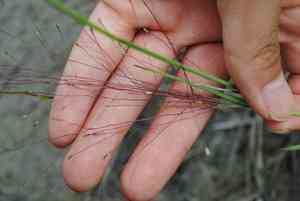
Panicum dichotomiflorum, a robust herbaceous species, greatly benefits from trimming in the initial part of spring or throughout winter. Performing this maintenance during these seasons encourages more vigorous regeneration and assists in preserving its form and dimensions. Meticulously thin out congested areas and eliminate any deceased or compromised leaves to improve air circulation and light exposure, which are vital for the plant's general well-being. Consistent trimming also contributes to averting prevalent ailments and infestations, simultaneously ensuring Panicum dichotomiflorum remains neat and flourishing.
What Are the Benefits of Pruning Fall Witchgrass?
What Are the Benefits of Pruning Fall Witchgrass?
Trimming fall witchgrass promotes robust development and helps maintain its form. Regular removal of old or overgrown sections prevents congestion, ensuring optimal health and appearance.
What Is the Best Time for Pruning Fall Witchgrass?
What Is the Best Time for Pruning Fall Witchgrass?
The ideal times to prune or trim fall witchgrass are in early spring and winter. During winter, the plant is dormant, which minimizes stress and prevents the depletion of energy reserves that fall witchgrass needs for vigorous spring growth. Early spring pruning is optimal as it prepares fall witchgrass for new growth, removing any dead or damaged foliage accumulated over winter. This timing also helps in maintaining plant health and vigor by reducing disease risks, as fresh cuts heal faster in cooler temperatures without the high disease pressure of warmer months.
What Tools Do I Need to Prune Fall Witchgrass?
Hand Pruners or Secateurs
Hand pruners are perfect for trimming fall witchgrass due to their precise cutting ability. This tool allows gardeners to easily cut through thin stems without harming surrounding grass blades.
Grass Shears
Grass shears are suitable for shaping and maintaining the growth of fall witchgrass. Their ability to trim grass close to the ground and along edges ensures fall witchgrass's dense clusters are neatly managed, promoting healthier growth.
String Trimmer
For larger areas or more rugged conditions, a string trimmer can effectively manage fall witchgrass. It quickly trims the grass while keeping up with the widespread and robust spreading nature of fall witchgrass, avoiding excessive manual labor.
How to Prune Fall Witchgrass
Identify
Identify and assess the condition of the diseased and withered leaves on fall witchgrass. Check each plant carefully, focusing on leaves that appear brown, discolored, or dry, which indicate disease or natural aging.
Sanitize
Sanitize your pruning tools before and after use to prevent the spread of disease. Use a solution of bleach or alcohol to wipe down the blades, ensuring that no pathogens are transferred during the trimming process.
Trim
Trim the diseased and withered leaves at their base, close to the stem. Use sharp, clean scissors or pruning shears, making sure to cut cleanly without pulling or tearing, which could damage healthy parts of fall witchgrass.
Dispose
Dispose of the removed leaves properly. Do not compost diseased material as it can harbor pathogens that might infect other parts of your garden. Bagging and removing them from the site is advised.
Monitor
After pruning, monitor fall witchgrass regularly for signs of new growth or further signs of disease. Early detection can lead to more effective management of the plant's health and vigor.
Common Pruning Mistakes with Fall Witchgrass
Over pruning
Removing too much foliage from fall witchgrass at once can stress the plant, leading to weakened growth and reduced vigor.
Improper technique
Using dull or dirty pruning tools can damage the delicate stems of fall witchgrass, potentially leading to disease and poor plant health.
Ignoring plant structure
Failing to understand and follow the natural growth pattern of fall witchgrass can result in an unbalanced or unnatural appearance.
Common Pruning Tips for Fall Witchgrass
Use sharp tools
Always use clean, sharp pruning shears to make clean cuts. This helps in minimizing damage and stress to fall witchgrass.
Focus on dead material
Prioritize the removal of dead or damaged foliage to help promote healthier and more vigorous growth in fall witchgrass.
Maintain natural shape
When pruning fall witchgrass, aim to maintain its natural form. Lightly thin out the plant to enhance its shape while encouraging airflow and light penetration.



