How to Propagate Fall witchgrass?
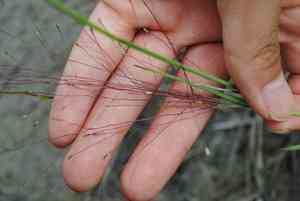
Fall witchgrass is a variety that flourishes outdoors. For successful propagation, separation is advised. Gently split the root mass into smaller portions, making sure each possesses sufficient roots to sustain fresh development. This technique promotes rapid integration under comparable cultivation circumstances.
Optimal Period for Propagating Fall Witchgrass?
Propagation Method
Splitting
Propagation Period
Spring,Autumn
Tools Required for Fall Witchgrass Propagation?
Garden Spade or Fork
These implements are vital for excavating and gently lifting the root systems of fall witchgrass without causing undue harm. The spade or fork allows for precise control over the extent of soil disruption, which is critical for preserving root integrity during the division process. The choice between a spade or a fork depends on the soil type â firmer soils may require a spade, while lighter soils are well-suited for a fork.
Pruning Shears
Pruning shears are utilized to trim and tidy the root system and remove any dead or superfluous growth both before and after division. This encourages healthier development and minimizes the risk of disease transmission among divided plants. Shears should be sharp and clean to make precise cuts without damaging plant tissues.
Rooting Hormone Powder
While not always essential, rooting hormone powder can boost the success rate of propagation by promoting faster root development in new fall witchgrass divisions. This is particularly beneficial for ensuring the viability and strength of younger or less vigorous divisions.
Watering Can with a Fine Rose
Following division, consistent moisture is crucial for the establishment of new fall witchgrass plants. A watering can equipped with a fine rose attachment ensures gentle irrigation that will not disturb the newly planted divisions, providing an even and soft flow that encourages root growth without causing soil erosion around the plant.
Labeling Materials
Effective labeling is paramount for tracking the progress and variety of fall witchgrass during propagation. Whether using plastic, metal tags, or other materials, labels should be durable, weather-resistant, and easy to write on. Labeling each new division ensures accurate monitoring and care throughout its growth phases.
How to Propagate Fall Witchgrass?
Propagation Difficulty
Simple
How to Care for Your Newly Propagated Fall Witchgrass?
How to Care for Your Newly Propagated Fall Witchgrass?
After propagation, ensure fall witchgrass receives ample sunlight and moisture. Regular irrigation is vital, especially during dry periods, but avoid excessive watering to prevent root rot. Fertilize sparingly if needed, particularly if growth appears slow. Mulching can help retain soil moisture and suppress weed growth. Monitor for pests and diseases regularly, addressing issues promptly to maintain plant health.
Common Errors to Avoid When Propagating Fall Witchgrass
Overwatering
Watering fall witchgrass too frequently can lead to root decay. This species thrives in well-drained soils, and excessive moisture can hinder growth and reduce the chances of successful propagation.
Insufficient sunlight
Failure to provide adequate sunlight can impede the growth of fall witchgrass. This plant species requires abundant sunlight for healthy development, and a lack thereof results in weak, elongated stems.
Overcrowding
Planting fall witchgrass seeds too close together can result in competition for light, space, and nutrients. Overcrowding can lead to poor air circulation and increased susceptibility to diseases.
Tips For Propagating Fall Witchgrass
Soil preparation
Utilize a well-draining sandy loam soil that mimics fall witchgrass's natural environment. Proper soil preparation helps ensure healthy root development and overall plant vigor.
Seed spacing
Properly space the seeds to minimize competition for resources. Adequate spacing helps ensure each plant has sufficient access to sunlight, water, and nutrients, leading to robust growth.
Watering schedule
Maintain a balanced watering regimen where the soil is kept moist but not saturated. Adhering to this schedule supports the optimal growth and reproduction of fall witchgrass.



