How to Transplant Drooping forked fern?
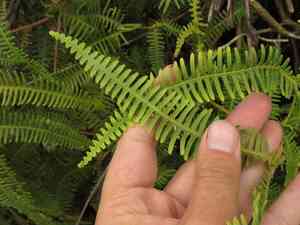
The perennial fern, drooping forked fern, flourishes when relocated during the invigorating period of early to mid-spring. Ideal spots are shaded, damp environments featuring soil that drains effectively. This specific timing in the year facilitates strong root development and vigorous proliferation.
What Preparations are Needed Before Transplanting Drooping Forked Fern?
What is the Ideal Time for Transplanting Drooping Forked Fern?
The best period for relocating drooping forked fern is early to mid-spring, as the ground warms and the plant exits dormancy. This timing facilitates superior root development and adaptation to its new environment. Moving it during this window maximizes its growth potential and minimizes transplant shock, ensuring a healthy, robust perennial.
How Much Space Should You Leave Between Drooping Forked Fern Plants?
When relocating drooping forked fern, ensure a separation of 18-24 inches (45-60 cm) between each specimen. This provides ample room for them to grow and expand comfortably.
What is the Best Soil Mix for Drooping Forked Fern Transplanting?
Prepare a well-draining soil blend enriched with organic compost for drooping forked fern. This plant flourishes in soil abundant in organic matter, so incorporating a balanced base fertilizer can also supply vital nutrients.
Where Should You Relocate Your Drooping Forked Fern?
Select a partially shaded spot for relocating drooping forked fern. While it can endure some direct sun, it thrives best in a location that receives filtered sunlight or is in partial shade for optimal development.
What Equipments Should You Prepare Before Transplantation Drooping Forked Fern?
Gardening Gloves
To safeguard your hands while handling soil and the plant.
Hand Trowel
Useful for excavating around the plant and loosening the earth.
Spade or Shovel
For digging a larger hole in the ground for the relocation.
Watering Can or Hose
For hydrating the plant before and after its move.
Wheelbarrow
To move the plant if it is heavy.
Mulch
To assist in retaining moisture around the plant's base post-transplant.
Pruning Shears
For trimming any damaged roots or foliage.
Stakes or Plant Supports
To offer stability to the plant if it is tall or top-heavy.
How Do You Remove Drooping Forked Fern from the Soil?
How Do You Remove Drooping Forked Fern from the Soil?
From Ground: First, moisten the drooping forked fern plant to soften the soil. Then, excavate a wide trench around the plant using a shovel or spade, ensuring the plant's root ball remains intact. Carefully work the spade beneath the root ball to lift the plant from its original spot.From Pot: Hydrate the drooping forked fern plant to make the soil easier to manage. Gently invert the pot while holding your hand over the soil and guiding the plant out, supporting both the plant and its root ball.From Seedling Tray: Water the drooping forked fern seedlings. Using a hand trowel or your fingers, carefully lift the seedlings from the tray, taking care to keep as much soil around the roots as possible. Handle by the leaves, not the stems, to prevent damage.
Step-by-Step Guide for Transplanting Drooping Forked Fern
Site Preparation
Prepare the new planting location by digging a hole twice as wide and the same depth as the root ball of the drooping forked fern.
Soil Preparation
Ensure that the soil in the new spot is loosened and suitable for planting.
Plant Placement
Carefully position the drooping forked fern into the hole, ensuring the top of the root ball is level with the surrounding soil.
Backfilling
Refill the hole with soil, gently pressing it down to eliminate air pockets.
Watering
Thoroughly water the drooping forked fern immediately after planting to help settle the soil around the roots.
Mulching
Apply a layer of mulch around the plant's base, keeping it a few inches away from the stem to prevent rot.
Staking
If needed, use stakes or plant supports to help stabilize the drooping forked fern as it establishes itself in the new location.
How Do You Care For Drooping Forked Fern After Transplanting?
Watering
Keep the soil around the drooping forked fern consistently moist, but not waterlogged, for the initial weeks post-transplant to aid in developing strong roots.
Monitoring
Observe for any indications of transplant shock, such as wilting or yellowing foliage, and take corrective measures like adjusting watering or providing temporary shade.
Pruning
Remove any damaged or dead leaves to help the plant direct its energy towards recovery.
Protection
Shield the drooping forked fern from harsh weather or extreme temperatures until it becomes well-established.
Troubleshooting Common Issues with Drooping Forked Fern Transplantation.
When is the best time to transplant drooping forked fern?
Relocate drooping forked fern in early to mid-spring for optimal growth and establishment.
How much spacing is ideal for transplanting drooping forked fern?
Space drooping forked fern 18-24 inches (46-61 cm) apart to ensure proper growth and air circulation.
What should I do if the roots are tangled?
Gently untangle the roots by hand to promote better establishment in the new location.
What type of soil is best for drooping forked fern?
Use well-draining, slightly acidic soil to create the best environment for drooping forked fern to thrive.
What if drooping forked fern starts to wilt after transplanting?
Ensure it receives adequate water and some initial shade to lessen transplant shock.
How deep should I plant the drooping forked fern?
Plant drooping forked fern at the same depth it was growing in its original location.
Should I use fertilizer when transplanting drooping forked fern?
Avoid immediate fertilization. Wait a few weeks until drooping forked fern establishes itself in the new soil.
How much water does drooping forked fern need after transplanting?
Water drooping forked fern thoroughly and regularly, keeping the soil consistently moist but not waterlogged.
What is the ideal temperature for transplanting drooping forked fern?
Transplant drooping forked fern when temperatures are mild, around 55-75°F (13-24°C) for best results.
How can I protect drooping forked fern from pests after transplanting?
Inspect drooping forked fern regularly and use natural pest deterrents to keep insects and other pests at bay.



