How to Prune Drooping forked fern?
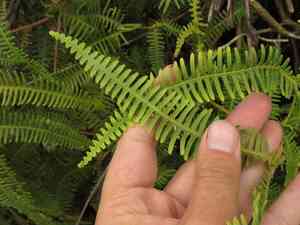
The drooping forked fern is identifiable by its pendulous foliage and compact, ground-covering growth pattern. Essential trimming methods include excising withered or compromised fronds to foster robust development and an attractive look. The most suitable periods for pruning are late winter and early spring, coinciding with the drooping forked fern's natural growth rhythm. Trimming at these times stimulates strong new shoots and aids in controlling its expansive tendencies. Consistent removal of aged fronds can additionally prevent infestations and illnesses, contributing to a more thriving specimen.
Advantages of Trimming Drooping Forked Fern
Advantages of Trimming Drooping Forked Fern
Trimming drooping forked fern promotes robust development and preserves its form. This helps the plant remain visually appealing while fostering healthy foliage. Regular trimming also assists in preventing illness outbreaks by eliminating dead or damaged fronds.
Optimal Period for Trimming Drooping Forked Fern
Optimal Period for Trimming Drooping Forked Fern
Trimming drooping forked fern in early spring or late winter is ideal because this timeframe precedes the primary growth season. Pruning during these periods encourages vigorous new growth once temperatures rise, while minimizing disruptions during the active growth and reproductive cycles. Furthermore, cuts made during these seasons are less likely to become infested with pests and diseases, as these are generally less active in cooler months. This timing also allows gardeners to effectively shape the plant before the full emergence of new growth.
Tools Required for Trimming Drooping Forked Fern
Hand Pruners
Perfect for making precise cuts on stems and fronds up to 1/4 inch in diameter. They ensure minimal harm to the plant tissue.
Pruning Scissors
Useful for detailed tasks, such as trimming dead or damaged leaves. They offer accurate control and are easy to handle.
Pruning Saws
Best for cutting through thicker, woody sections if necessary. Can manage tough materials without splintering.
Long-handled Loppers
Designed for cutting thicker stems or branches that are difficult to reach. Provide additional leverage for clean cuts.
Bypass Pruners
Good for live green material as they create cleaner cuts that heal more quickly. Essential for maintaining overall plant vitality.
How to Trim Drooping Forked Fern
Identify
Examine drooping forked fern to pinpoint any diseased leaves, which may appear discolored or show indications of infection.
Sanitize
Before trimming, disinfect your pruning shears with rubbing alcohol to prevent the spread of disease.
Remove diseased
Carefully cut off the diseased leaves at the base of the stem, ensuring to discard the removed parts away from healthy plants to avoid contamination.
Assess withered
Look for withered leaves that are brown, dry, or shriveled, which indicate they are no longer viable.
Trim withered
Trim the withered leaves back to the nearest healthy part of the stem to encourage new growth and maintain the plant's overall health.
Common Trimming Errors with Drooping Forked Fern
Over-trimming
Excessive cutting can stress the plant, leading to poor growth and susceptibility to diseases.
Improper tool use
Using dull or dirty tools can cause jagged cuts and introduce pathogens.
Incorrect cuts
Cutting too close to the base can harm the plant, while leaving stubs can invite rot and pests.
Trimming at the wrong stage
Trimming new growth or dormant fronds can impede the plant's development and overall health.
Ignoring plant signals
Failing to recognize and respond to signs of stress or disease can worsen problems.
General Trimming Advice for Drooping Forked Fern
Use sharp, clean tools
Ensure your tools are clean and sharp to make precise cuts and reduce the risk of disease.
Target damaged and dead fronds
Focus on removing dead or diseased fronds first to encourage healthy growth.
Make clean cuts
Cut just above the base or node without leaving stubs that can attract pests.
Monitor plant health
Regularly inspect the plant for signs of disease or stress and address issues promptly.
Trim judiciously
Only remove what is necessary to maintain shape and health, avoiding excessive trimming to reduce stress on the plant.



