How to Transplant Western ponysfoot?
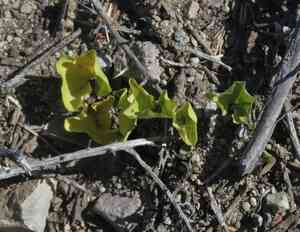
Western ponysfoot flourishes when relocated from early spring through mid-season. Select a bright, adequately drained spot for peak vitality. Keep the substrate consistently damp; carefully move the plant to lessen root shock.
What Preparations are Needed Before Transplanting Western Ponysfoot?
What is the Ideal Time for Transplanting Western Ponysfoot?
The optimal season for relocating western ponysfoot spans from early to late spring. This timeframe allows the plant to benefit from warming soil, extended daylight, and moderate temperatures, fostering robust root growth and successful acclimation. Moving western ponysfoot during this period maximizes its growth potential and ensures a healthier, more vibrant perennial display.
How Much Space Should You Leave Between Western Ponysfoot Plants?
When relocating western ponysfoot, ensure a spacing of 6-18 inches (15-45 cm) between each plant. This provides ample room for individual growth and spread without overcrowding, promoting healthy root systems and vigorous development.
What is the Best Soil Mix for Western Ponysfoot Transplanting?
Prepare the ground with effective drainage. A sandy-loam mixture is perfect. Prior to moving western ponysfoot, enrich the soil with a general-purpose, balanced fertilizer (such as 10-10-10) to supply vital nutrients. Incorporate the fertilizer into the top 6 inches (15 cm) of soil.
Where Should You Relocate Your Western Ponysfoot?
Western ponysfoot flourishes in partial to full sun, so select a spot where the plant will receive at least 4-6 hours of daily sunlight. Avoid locations that remain excessively shaded, as western ponysfoot may struggle to grow well without sufficient light.
What Equipments Should You Prepare Before Transplantation Western Ponysfoot?
Gardening Gloves
To safeguard your hands while handling soil and plants.
Hand Trowel
For excavating small holes and loosening the earth around the plant.
Shovel or Spade
To dig larger holes and trenches for removing and relocating the plant.
Watering Can or Hose
To hydrate the plant before and after its relocation.
Pruning Shears
To trim any damaged roots or stems during the relocation process.
Bucket or Container
To transport the plant if moving it from one spot to another.
Mulch
To aid in moisture retention and weed suppression around the relocated plant.
How Do You Remove Western Ponysfoot from the Soil?
How Do You Remove Western Ponysfoot from the Soil?
From Ground: First, moisten the western ponysfoot plant to dampen the soil. Next, excavate a wide trench around the plant using a shovel or spade, ensuring the plant's root ball stays intact. Carefully work the spade beneath the root ball to lift the plant from its original position.From Pot: Hydrate the western ponysfoot plant to moisten the soil. Gently tap the pot's sides to loosen the soil, then tip the pot sideways. Carefully slide the plant out, supporting the root ball with your hands.From Seedling Tray: Water the seedlings in the tray to facilitate their removal. Use a hand trowel or your fingers to gently lift each seedling by its root ball, taking care not to harm the delicate roots.
Step-by-Step Guide for Transplanting Western Ponysfoot
Site Preparation
Prepare the new spot by digging a hole twice as wide and the same depth as the western ponysfoot's root ball. Ensure the hole has loose soil at the bottom for easy root establishment.
Removal from Original Location
Follow the appropriate removal procedure detailed above to carefully extract the western ponysfoot from its initial position.
Transferring the Plant
Position the western ponysfoot in the middle of the prepared hole. Make sure the root ball is level with the surrounding soil surface. Backfill the hole with soil, gently pressing down to eliminate air pockets.
Watering
Thoroughly water the western ponysfoot immediately after relocation to help settle the soil and provide moisture to the roots. Continue watering until the surrounding soil is uniformly moist.
Applying Mulch
Spread a layer of mulch around the base of the western ponysfoot, leaving some space around the stem to prevent rot. Mulching helps retain moisture and suppresses weeds.
How Do You Care For Western Ponysfoot After Transplanting?
Watering
Keep the soil around the western ponysfoot consistently moist, but not waterlogged, for the initial weeks post-transplant to aid in establishing strong roots.
Monitoring
Regularly inspect the western ponysfoot for indications of transplant shock, such as wilting or yellowing leaves, and address issues promptly.
Pruning
Trim any damaged or dead leaves and stems to encourage new growth and maintain the plant's health.
Protection
Shield the western ponysfoot from harsh weather conditions, such as strong winds or intense sunlight, until it becomes well-established in its new environment.
Troubleshooting Common Issues with Western Ponysfoot Transplantation.
When is the best time to transplant western ponysfoot?
The optimal period to relocate western ponysfoot is from early to late spring.
How much space should I leave between western ponysfoot plants?
Ensure a spacing of 6-18 inches (15-45 cm) between each western ponysfoot plant.
How should I prepare the soil for western ponysfoot?
Loosen the soil to a depth of 10 inches (25 cm) and incorporate compost.
How do I prevent transplant shock for western ponysfoot?
Water thoroughly after relocation and ensure the soil remains moist but not saturated.
What conditions do western ponysfoot plants prefer after transplanting?
Western ponysfoot plants thrive in partial to full sun and well-drained soil.
What should I do if western ponysfoot plants wilt after transplanting?
Ensure they receive adequate water and are shielded from direct afternoon sun for a few days.
How deep should I plant western ponysfoot during transplanting?
Plant western ponysfoot at the same depth as they were growing in their previous location.
When should I water western ponysfoot after transplanting?
Water them immediately after relocation and keep the soil consistently moist for the subsequent weeks.
What type of mulch is best for western ponysfoot after transplanting?
Utilize organic mulch like straw or bark chips to help retain moisture and regulate soil temperature.
How can I encourage root growth for western ponysfoot after transplanting?
Apply a balanced, water-soluble fertilizer a few weeks after relocation to promote root development.



