How to Propagate Western ponysfoot?
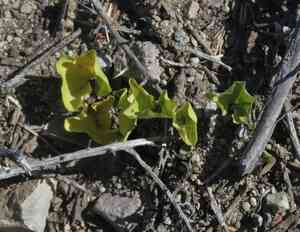
California ponysfoot is a low-growing perennial frequently encountered in California's coastal areas. For successful reproduction, prioritize seeding. Employ a substrate that drains efficiently to minimize the chance of root decay, and keep the seeds hydrated until they sprout. Gently blanket the seeds with a fine layer of earth, as they need illumination to germinate. Regular irrigation and dappled light offer ideal circumstances for development.
Optimal Time for Western Ponysfoot Propagation
Propagation Method
Sowing
Propagation Period
Spring
Tools for Western Ponysfoot Propagation
Seed Tray
A seed tray is vital for sowing western ponysfoot, offering a controlled and organized space for germination. It facilitates easy monitoring of moisture and root growth, ensuring consistent conditions.
Seed Starting Mix
Utilizing a seed starting mix specifically for western ponysfoot ensures young plants get proper nutrients and good drainage. This mix is lighter and more sterile than standard potting soil, preventing disease and encouraging healthy seedling development.
Heat Mat
A heat mat provides steady warmth to the seed tray, significantly boosting western ponysfoot germination rates. This is especially useful in cooler climates or indoors where ambient temperatures might be too low.
Humidity Dome
A humidity dome over the seed tray helps maintain moisture and creates a humid environment, ideal for western ponysfoot germination. It reduces frequent watering needs and prevents seeds from drying out.
Watering Can with Fine Rose
A watering can with a fine rose attachment allows for gentle irrigation of western ponysfoot seeds and seedlings. This prevents dislodging seeds or harming delicate seedlings, ensuring even moisture distribution.
Labeling Stakes
Labeling stakes are crucial for tracking western ponysfoot seedlings, particularly when propagating multiple plant types simultaneously. Accurate labeling ensures correct identification and care.
Seedling Transplanting Tool
A seedling transplanting tool, like a widger or fork, is useful for carefully lifting western ponysfoot seedlings from the tray for repotting or planting. This minimizes root damage and transplant shock, promoting healthier establishment.
How to Propagate Western Ponysfoot?
Propagation Type
Easy
Caring for Newly Propagated Western Ponysfoot
Caring for Newly Propagated Western Ponysfoot
After propagation, western ponysfoot care involves consistent watering to keep soil moist but not soggy, providing full to partial sun, and protecting from extreme temperatures. Regularly check for pests and diseases, and fertilize sparingly if needed. Prune dead or damaged foliage to encourage healthy growth and maintain a neat appearance.
Common Propagation Errors for Western Ponysfoot
Overwatering
This can lead to root rot and fungal issues, impeding root development and overall plant vitality.
Poor soil drainage
Soil that retains too much water can cause roots to suffocate and decay.
Insufficient light conditions
Propagating in low-light areas can result in weak, elongated plants that struggle to establish.
Incorrect cutting techniques
Using dull tools or making jagged cuts can harm the plant and reduce successful rooting.
Neglecting pests and diseases
Failure to monitor for pests or diseases can lead to infestations that disrupt growth and propagation.
Tips for Propagating Western Ponysfoot
Use well-draining soil
Ensures excess water doesn't accumulate around roots, preventing rot and fostering healthier root growth.
Water appropriately
Keep soil moist but not waterlogged, allowing the surface to dry between waterings to prevent root rot.
Maintain optimal light conditions
Place the plant in bright, indirect light to support vigorous growth without causing stress.
Sterilize cutting tools
Clean, sharp tools prevent disease spread and ensure clean cuts, increasing successful rooting chances.
Monitor for pests and diseases
Regularly inspect the plant and surrounding area, taking prompt action to address any issues.



