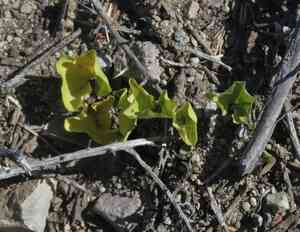
Western ponysfoot (Dichondra occidentalis)
Also known as: Western Dichondra
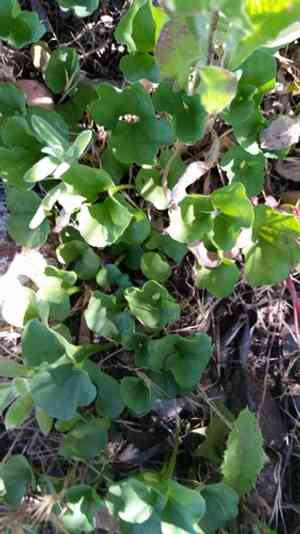
Western ponysfoot is a spreading, low-growing perennial known for its velvety, kidney-shaped leaves. This groundcover naturally thrives in woodland areas with dappled sunlight, where it forms dense mats that can effectively suppress weeds. Its small, subtle yellow-green flowers might go unnoticed from afar but add to its appeal upon closer inspection. Western ponysfoot prefers moist, well-drained soils and is well-suited to mild climates, showcasing its hardy nature.
In This Article
Attributes of Western ponysfoot
Lifespan
Perennial
Plant Height
1 to 2 inches (2.5 to 5 cm)
Spread
Usually spreads as a mat up to several feet wide
Leaf Color
Silvery-green
Flower Size
About 0.1 inches (2-3 mm)
Flower Color
White to greenish
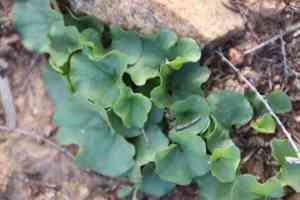
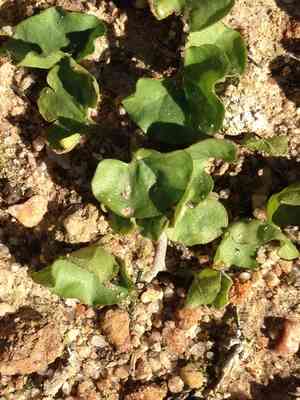
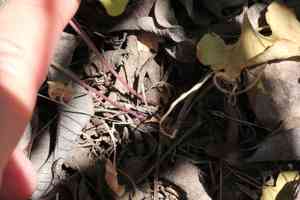
Images of Western ponysfoot
Quickly Identify Western ponysfoot
1
Identifying Dichondra occidentalis involves looking for its distinctive kidney-shaped leaves that form a dense mat on the ground. The leaves are small, usually less than 2 cm wide, and have a silvery-green hue. The plant produces tiny white to greenish flowers.
Scientific Classification of Western ponysfoot
Phylum
Vascular plants
Class
Dicotyledons
Order
Solanales
Family
Morning-glory
Genus
Dichondra
Species
Western ponysfoot
Planting and Growing of Western ponysfoot
Care Difficulty
Easy
Watering Schedule
Every 2 days
Sunlight Requirements
Full sun
Sunshine Duration
6-8 hours
Ideal Temperature
65-75℉
Soil Type
Potting Mix, Peat Mix
Soil pH
6.5-7.5
Fertilizer Type
Balanced
Pruning Season
Spring, Summer
Pruning Area
Branches, Leaves
Pruning Frequency
2 times a year
Repotting Season
Spring
Pot Type
Plastic, Ceramic
 How to Water Western ponysfoot?
When watering Dichondra occidentalis, aim to thoroughly moisten the soil, but ensure no excess water remains standing. Each watering session should provide around 200 milliliters of water to keep the soil slightly moist without getting waterlogged. This balance fosters healthy root and foliage growth.
What are the symptoms of an underwatered Western ponysfoot?
›
What should I do if my Western ponysfoot is not getting enough water?
›
What are the symptoms of an overwatered Western ponysfoot?
›
How to save an overwatered Western ponysfoot?
›
 What Are the Sunlight Requirements for Western ponysfoot?
Partial to full sunlight is ideal for Dichondra occidentalis as it allows the plant to achieve balanced growth and vibrant foliage, ensuring its robust health.
How much sun does Dichondra occidentalis need?
›
What can you do to create ideal lighting for it?
›
What are the benefits of ideal lighting conditions?
›
 What Is the Ideal Temperature Range for Western ponysfoot?
Dichondra occidentalis thrives in a temperature range of 65°F to 75°F as these conditions mimic its natural environment. This range ensures optimal growth, photosynthesis, and nutrient absorption, helping the plant maintain its lush appearance and health. Sticking to these temperatures helps avoid stress on the plant, promoting better energy use and development.
 What Soil is Best for Western ponysfoot?
Dichondra occidentalis thrives in well-drained soil that prevents water from accumulating around the roots, reducing the risk of root rot and promoting healthy growth. This plant prefers soil rich in organic matter which ensures a steady supply of nutrients necessary for robust foliage and overall plant vitality. While it dislikes soggy conditions, this plant benefits from soil that retains moderate moisture levels, ensuring consistent hydration without waterlogging.
 How to Fertilize Western ponysfoot?
For Dichondra occidentalis, the amount of fertilizer you use should be moderate. Too little will provide insufficient nutrients, while too much can harm the plant. For liquid fertilizers, use a balanced formula, diluted to half strength, applying about 1 liter per square meter. For slow-release fertilizers, apply around 50 grams per plant, spread evenly in the soil.
 How to Prune Western ponysfoot?
Start by removing any dead or yellowing leaves. Next, focus on trimming back overgrown stems to maintain a tidy appearance. Cut just above a leaf node to encourage fuller growth. Always make your cuts at a 45-degree angle to prevent water from pooling on the cut surface, which can lead to disease. While it's tempting to cut back large amounts for immediate aesthetic improvement, removing too much foliage at one time can stress the Dichondra occidentalis. Aim to never remove more than one-third of the plant's total foliage during one pruning session.
More About Pruning Techniques→
 How to Propagate Western ponysfoot plant?
1
Fill seed trays with a well-draining potting mix, place seeds evenly, and lightly cover with soil. Water gently and place in a warm, sunny location. Maintain consistent moisture and observe germination within two weeks.
2
Select healthy stems and use a sharp knife to cut 4-6 inch pieces. Remove lower leaves and dip the cut end in rooting hormone. Plant the cutting in a pot with a mix of sand and peat moss, and water thoroughly.
3
Carefully dig up the established plant and divide the root ball into sections, ensuring each section has roots and shoots. Replant each section into a prepared bed or container, and water well.
 How to Repot Western ponysfoot plant?
1
Repotting Dichondra occidentalis should occur when the plant shows signs of being root-bound, such as roots growing through the drainage holes or stunted growth. Ideally, repot in spring or summer for optimal growth.
2
Choose a pot that is one size larger than the current one. It should have ample drainage holes to prevent waterlogging, which could lead to root rot. The right pot promotes healthy growth and stability.
3
Opt for a loamy, well-draining soil mix. This type of soil prevents excess moisture build-up and allows for adequate air circulation around the roots, promoting healthy plant growth.
Learn More About Western ponysfoot Diseases
Anthracnose
Bacterial Leaf Spot
Bacterial Soft Rot
Bacterial Wilt
Chemical Injury
Crown Gall
Cyst Nematode
Damping-off
Downy Mildew
Drought Stress
Fusarium Wilt
Gray Mold
Leaf Curl
Leaf Spot
Mosaic
Nutrient Deficiency
Nutrient Toxicity
Powdery Mildew
Root Rot
Root-knot Nematode
Rusts
Sooty Mold
Spider Mites
Temperature Stress
Thrips Damage
White Mold



