How to Prune Western ponysfoot?
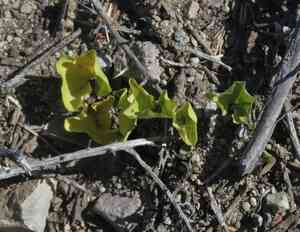
Western ponysfoot is a prostrate groundcover recognized for its vibrant, verdant leaves and refined look. Trim western ponysfoot during late winter or early spring to eliminate any deceased or compromised sections, fostering robust new growth. Shorten any overly elongated or errant stalks to preserve its form and manage its expansion. Consistent trimming promotes compact growth, boosting the plant's hardiness and general attractiveness. Always employ sanitized, sharp implements to avert pathogen spread.
What Are the Benefits of Pruning Western Ponysfoot?
What Are the Benefits of Pruning Western Ponysfoot?
Trimming western ponysfoot promotes vigorous development and maintains its form. By eliminating dead or overgrown sections, you encourage healthier, denser growth and preserve its desired shape.
What Is the Best Time for Pruning Western Ponysfoot?
What Is the Best Time for Pruning Western Ponysfoot?
Trimming western ponysfoot in early spring or late winter is optimal, as this period precedes new growth. Pruning during these seasons allows gardeners to effectively shape the plant without causing undue stress. This timing aligns with western ponysfoot's natural growth cycle, enabling rapid healing and directing energy towards robust growth and development. Furthermore, pruning before the active growing season helps prevent any interference with western ponysfoot's flowering or fruiting, ensuring a healthy and attractive plant.
What Tools Do I Need to Prune Western Ponysfoot?
Hand pruners
Hand pruners are perfect for trimming small sections and making precise cuts on western ponysfoot. Their sharp blades ensure clean cuts, which are crucial for preventing damage and fostering healthy regrowth.
Garden shears
Garden shears are suitable for maintaining larger areas of western ponysfoot. They help achieve a more uniform cut across broader patches, ensuring the plant retains a tidy appearance.
Bypass pruners
Bypass pruners can be used for tackling slightly thicker or tougher stems of western ponysfoot, enabling effective and clean cuts without crushing the plant tissue.
Pruning scissors
Pruning scissors are useful for detailed work on western ponysfoot, such as removing unwanted growth or shaping the plant. They are particularly effective for managing younger and more delicate parts.
How to Prune Western Ponysfoot
Inspection
Carefully examine western ponysfoot for any indications of diseased or withered leaves. This ensures only the necessary parts are trimmed.
Sterilize
Sanitize your pruning tools with a solution of one part bleach to nine parts water to prevent the spread of disease.
Remove Diseased Leaves
Carefully snip off any diseased leaves from western ponysfoot as close to the base as possible without harming healthy sections. Dispose of these leaves away from the garden to prevent reinfection.
Remove Withered Leaves
Trim back any withered or dead leaves, cutting them to the point where they connect to the main stem or base of western ponysfoot. Ensure cuts are clean to promote healthy regrowth.
Cleanup
After pruning, remove and discard all pruned material to prevent disease spread. Ensure the area around western ponysfoot is clean and free of debris.
Common Pruning Mistakes with Western Ponysfoot
Over-Pruning
Removing too much foliage at once can stress western ponysfoot, impeding its growth and reducing its ability to photosynthesize effectively.
Improper Technique
Using dull or unsuitable tools can cause damage to the plant's stems, leading to disease or poor regrowth.
Pruning at Wrong Nodes
Cutting in incorrect locations, such as too far from a node or bud, can result in dieback or stunted development.
Ignoring Health Indicators
Failing to remove dead or diseased parts can allow the spread of disease and pests, affecting the entire plant.
Common Pruning Tips for Western Ponysfoot
Use Sharp Tools
Always use sharp and clean pruning shears to make clean cuts, which helps prevent damage and disease.
Prune Conservatively
For western ponysfoot, trim only a small portion of the plant at a time to avoid stressing it. Focus on cleaning up damaged or overly dense areas.
Cut at the Right Place
Make cuts just above a node or bud to encourage healthy regrowth and to shape the plant effectively.
Monitor Plant Health
Regularly check western ponysfoot for signs of disease or damage and remove any affected parts promptly to maintain overall plant health.
Disinfect Tools
Disinfect pruning tools between uses, especially if you've been cutting diseased parts, to prevent the spread of pathogens.



