How to Transplant California ponysfoot?
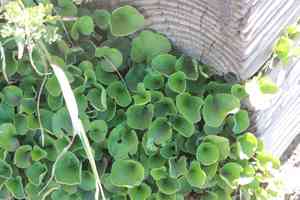
For california ponysfoot, the period spanning from mid-spring to late-spring, characterized by vigorous development, is ideal for relocation. Select a location offering abundant illumination and soil that drains effectively. Careful manipulation guarantees the sensitive roots of california ponysfoot establish without stress.
What Preparations are Needed Before Transplanting California Ponysfoot?
What is the Ideal Time for Transplanting California Ponysfoot?
The optimal period for relocating california ponysfoot spans from early spring's onset to the beginning of summer. Moving your california ponysfoot during this time of mild temperatures and gentle sunlight ensures robust root establishment before the intense summer heat. This timing offers the benefit of an extended growing season for california ponysfoot, enabling them to flourish and enhance your garden's beauty. A friendly reminder: vigorous growth begins with a well-timed transplant!
How Much Space Should You Leave Between California Ponysfoot Plants?
When getting ready to plant your california ponysfoot, aim for a separation of approximately 9-12 inches (23-30 cm) between them. This will provide each plant ample room to expand and thrive!
What is the Best Soil Mix for California Ponysfoot Transplanting?
Prepare your california ponysfoot's new home with soil that drains well and is rich in organic material. Incorporate a balanced, slow-release fertilizer to give your california ponysfoot a nourishing start. Simply follow the package directions for the correct quantity!
Where Should You Relocate Your California Ponysfoot?
Locate a sunny spot that receives partial shade for your california ponysfoot, offering the best of both environments! They appreciate warmth but benefit from a break from the strong midday sun.
What Equipments Should You Prepare Before Transplantation California Ponysfoot?
Gardening Gloves
To safeguard your hands while handling soil and plants.
Spade or Shovel
For digging and carefully extracting the california ponysfoot from its original spot.
Trowel
For creating a precise opening in the ground to accommodate the california ponysfoot's root ball.
Watering Can or Hose
To hydrate the california ponysfoot both before and after the transplanting procedure.
Wheelbarrow or Plant Dolly
To move the california ponysfoot from one place to another without causing damage.
Pruning Shears
For trimming any damaged roots or foliage prior to transplanting.
How Do You Remove California Ponysfoot from the Soil?
How Do You Remove California Ponysfoot from the Soil?
From Ground: First, moisten the california ponysfoot to soften the soil. Next, excavate a wide trench around the plant using a shovel or spade, ensuring the plant's root ball remains intact. Carefully maneuver the spade beneath the root ball to lift the california ponysfoot from its initial position.From Pot: Begin by watering the california ponysfoot to facilitate its removal. Hold the pot horizontally and gently tap or press its sides to loosen the soil. Grasp the base of the california ponysfoot, and carefully extract the plant with its attached root ball, avoiding any undue stress.From Seedling Tray: Water the individual compartments where the california ponysfoot seedlings are growing. Use a trowel or your fingers to loosen the soil surrounding each seedling. Gently lift each california ponysfoot seedling, preserving as much of the root structure as possible.
Step-by-Step Guide for Transplanting California Ponysfoot
Preparation
Gather all necessary tools, and ensure the new site is cleared and ready for the california ponysfoot.
Removal
Follow the appropriate removal method for the california ponysfoot based on its initial location, aiming to keep the root ball as intact as possible.
Hole Digging
Excavate a hole at the new site that is twice as wide and equal in depth to the root ball. Blend some existing garden soil with compost to create a nutrient-rich foundation.
Placement
Position the california ponysfoot in the center of the hole. Ensure the top of the root ball is level with the surrounding soil surface to prevent water accumulation.
Filling
Backfill around the root ball with the soil and compost mixture. Gently firm the soil to eliminate air pockets without excessive compaction.
Watering
Thoroughly water the california ponysfoot after planting to settle the soil around the roots and hydrate the plant.
How Do You Care For California Ponysfoot After Transplanting?
Initial Care
Observe the california ponysfoot daily, and provide additional water if the top inch of soil feels dry to the touch, considering the establishment of the california ponysfoot's roots.
Mulching
Apply a layer of organic mulch around the base of the california ponysfoot to help retain soil moisture and regulate temperature. Keep the mulch a few inches away from the stem to prevent rot.
Pruning
Trim any damaged or yellowing foliage to encourage new, healthy growth, and to help the california ponysfoot direct its energy towards root establishment.
Regular Checks
Watch for signs of stress in the california ponysfoot, such as wilting or discoloration, and address any issues promptly to ensure successful establishment.
Troubleshooting Common Issues with California Ponysfoot Transplantation.
When is the best time to transplant california ponysfoot?
Ideally, move california ponysfoot in late spring when temperatures consistently exceed 50°F (10°C).
What's the recommended spacing for california ponysfoot?
Space california ponysfoot approximately 9-12 inches (23-30 cm) apart to allow for ample growth.
Why is my california ponysfoot wilting after transplanting?
Wilting may indicate transplant shock. Ensure adequate watering and initially avoid direct, intense sun.
How deep should I plant california ponysfoot?
Plant california ponysfoot at the same depth it was previously growing, with roots just below the soil surface.
Can I transplant california ponysfoot on a hot day?
It's preferable to transplant on a cooler, overcast day to minimize stress on california ponysfoot.
How much should I water california ponysfoot post-transplant?
Maintain consistently moist soil without waterlogging. Allow the top inch (2.5 cm) to dry between waterings.
Should I fertilize california ponysfoot right after transplanting?
Wait 4-6 weeks before fertilizing to allow california ponysfoot to settle into its new location.
My california ponysfoot looks yellow after transplanting, why?
Yellowing could signal transplant shock or overwatering. Ensure good soil drainage and reduce water.
How should I prepare the soil for california ponysfoot?
Utilize well-draining soil rich in organic matter; adjust to a slightly acidic to neutral pH.
Can california ponysfoot recover from transplant shock?
Yes, with proper care such as consistent watering and protection from extreme weather, california ponysfoot can recover well.



