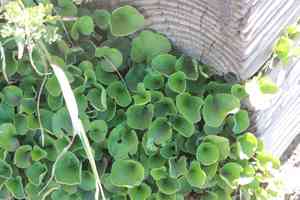
California ponysfoot (Dichondra donelliana)
Also known as: Small-leaf Ponyfoot
California ponysfoot (Dichondra donelliana) is known for its low-growing, spreading nature and small, rounded or kidney-shaped leaves that form a dense ground cover. This plant flourishes particularly well in shaded areas, making it ideal for lower light environments. While it does produce small, unobtrusive flowers, its primary appeal lies in its silvery-green foliage. This hardy plant integrates well with understorey vegetation or can enhance shady garden spots with its lush, green carpet.
In This Article
Attributes of California ponysfoot
Lifespan
Perennial
Plant Type
Herb
Plant Height
2-3 cm
Spread
15-60 cm (spread)
Leaf Color
Green
Flower Size
0.5-1 cm
Flower Color
White to pale yellow
Images of California ponysfoot
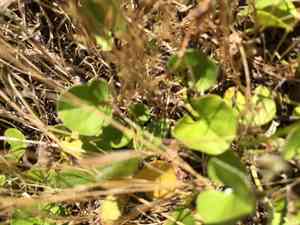
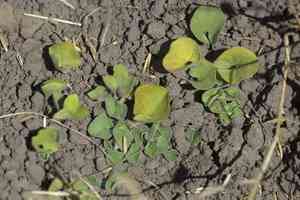
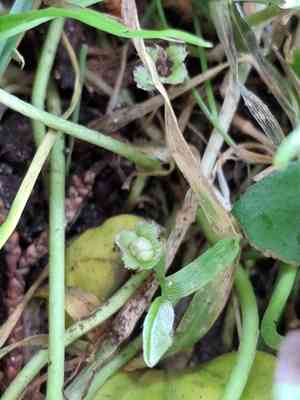
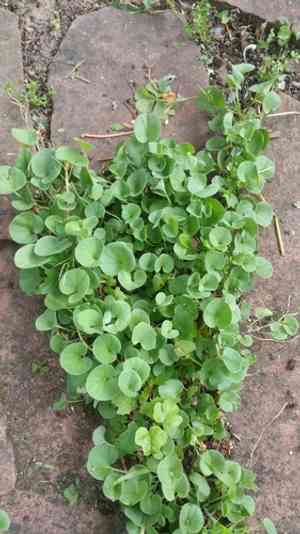
Quickly Identify California ponysfoot
1
Dichondra donelliana can be identified by its small, kidney-shaped leaves that form a dense mat on the ground. It\'s low-growing and spreads quickly. It produces small, inconspicuous flowers that are usually white or pale yellow.
Scientific Classification of California ponysfoot
Phylum
Vascular plants
Class
Dicotyledons
Order
Solanales
Family
Morning-glory
Genus
Dichondra
Species
California ponysfoot
Planting and Growing of California ponysfoot
Care Difficulty
Easy
Watering Schedule
Every 3 days
Sunlight Requirements
Partial sun
Sunshine Duration
6-8 hours
Ideal Temperature
65-75℉
Soil Type
Potting Mix, Peat Mix
Soil pH
6.5-7.5
Fertilizer Type
Balanced
Pruning Season
Spring, Summer
Pruning Area
Branches, Leaves
Pruning Frequency
2 times a year
Repotting Season
Spring
Pot Type
Terracotta, Plastic
 How to Water California ponysfoot?
Dichondra donelliana prefers a moderate watering regime. The soil should be kept evenly moist, but never waterlogged. A good rule of thumb is to water until you see a little drainage from the bottom of the pot, ensuring the entire root system gets moisture while preventing waterlogging.
What are the symptoms of an underwatered California ponysfoot?
›
What should I do if my California ponysfoot is not getting enough water?
›
What are the symptoms of an overwatered California ponysfoot?
›
How to save an overwatered California ponysfoot?
›
 What Are the Sunlight Requirements for California ponysfoot?
Partial sun allows the plant to photosynthesize efficiently, enhancing its vitality and growth, while full shade protection ensures moisture retention and leaf preservation.
What is the best light condition for Dichondra donelliana?
›
How to ensure optimal light conditions?
›
What benefits do ideal lighting conditions bring?
›
 What Is the Ideal Temperature Range for California ponysfoot?
The ideal temperature range for growing Dichondra donelliana is between 65°F and 75°F. This range provides a comfortable environment that supports optimal growth and vitality. In this temperature bracket, the plant can efficiently perform photosynthesis and maintain metabolic processes, leading to healthy foliage development and resilience against minor environmental stressors.
 What Soil is Best for California ponysfoot?
Dichondra donelliana thrives in well-drained soil, ensuring that excess water does not lead to root rot. This condition allows the roots to breathe, promoting better nutrient absorption and healthier plant growth. This plant benefits greatly from soil rich in organic matter. The nutrients support vibrant leaf color and robust growth, while also enhancing the soil structure and moisture retention. Maintaining a moderate level of soil moisture is key for optimal growth. Consistent moisture helps in maintaining turgor pressure within the plant cells, preventing wilting and promoting lush, healthy foliage.
 How to Fertilize California ponysfoot?
For Dichondra donelliana, the ideal fertilizer amount should be moderate. A concentration of 1/4 to 1/2 of the standard package recommendation is usually sufficient. This ensures the plant gets enough nutrients without risk of over-fertilization.
 How to Prune California ponysfoot?
To prune Dichondra donelliana, start by examining the plant and identifying any dead or damaged stems. Use sharp, clean scissors or pruning shears to remove these parts at the base. This encourages healthier growth. Next, focus on shaping the plant: trim excess growth to maintain a compact form, ensuring even sunlight exposure and air circulation. Always cut above a leaf node to promote regrowth. Be gentle and avoid cutting more than one-third of the plant at a time.
More About Pruning Techniques→
 How to Propagate California ponysfoot plant?
1
Collect seeds from mature Dichondra donelliana plants when the seed pods are dry and brown. Ensure the seeds are fully mature to improve germination rates.
2
Select healthy stems and cut 4-6 inch sections using sterilized pruning shears. Remove the lower leaves to expose nodes for root development.
3
Carefully dig out the plant from the soil and gently separate the root ball into smaller sections with roots and shoots each. This method rejuvenates older plants and encourages growth.
 How to Repot California ponysfoot plant?
1
Dichondra donelliana requires repotting when you notice roots growing out of drainage holes or the plant starts to outgrow its current container. Other signs include stunted growth and the soil drying out quickly after watering. Spring and early summer are ideal times for repotting to minimize stress and encourage healthy growth.
2
Select a pot that is slightly larger than the current one to allow for root expansion. Ensure the pot has adequate drainage holes to prevent waterlogging, which can lead to root rot. Opting for a breathable pot material, such as terracotta, can help regulate soil moisture levels more effectively.
3
A well-draining potting mix is crucial for Dichondra donelliana. Incorporate components like perlite or coarse sand to enhance drainage. This soil composition facilitates air circulation around the roots, promoting healthier root development and preventing potential water retention problems.
Learn More About California ponysfoot Diseases
Anthracnose
Bacterial Leaf Spot
Bacterial Soft Rot
Bacterial Wilt
Chemical Injury
Crown Gall
Cyst Nematode
Damping-off
Downy Mildew
Drought Stress
Fusarium Wilt
Gray Mold
Leaf Curl
Leaf Spot
Mosaic
Nutrient Deficiency
Nutrient Toxicity
Powdery Mildew
Root Rot
Root-knot Nematode
Rusts
Sooty Mold
Spider Mites
Temperature Stress
Thrips Damage
White Mold



