Enhancing Your Garden Design with the California ponysfoot Plant: A Landscaping Guide
1
Incorporating California ponysfoot introduces a distinct texture and hue to your landscape.
2
California ponysfoot is adaptable, fitting seamlessly into contemporary, classic, and compact garden designs.
3
California ponysfoot needs particular soil, light, and moisture conditions to flourish.
Appreciating the Visual Appeal of California Ponysfoot
Aesthetic Traits: Hue and Texture
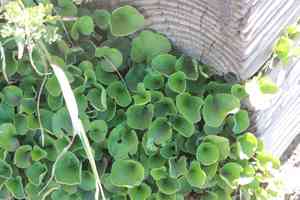
A primary reason gardeners and landscapers favor California ponysfoot is its distinct visual charm. The plant showcases appealingly rounded leaves that form a dense, rich covering, offering a carpet-like feel. This abundant foliage can provide a striking contrast against other plants with varied leaf shapes and sizes, enhancing depth and interest in your garden design. The subtle color variations in green work well in both sunny and shaded spots, allowing flexible placement.
Seasonal Transformations and Allure
California ponysfoot presents dynamic changes throughout the year, keeping your landscape vibrant and engaging. With spring's arrival, you'll observe a revitalization in its lush leaves. In summer, California ponysfoot flourishes with lively, robust growth. Even during autumn and mild winter periods, California ponysfoot maintains its greenness, preventing your garden from entering a dull winter dormancy. This seasonal progression makes it a delightful plant for sustaining garden interest year-round.
Companion Plants for California Ponysfoot
Pairing California ponysfoot with suitable plant species can elevate your landscape's overall beauty. Its low-growing habit makes it an ideal ground cover that can be enhanced by taller, more structured plants like ornamental grasses or flowering shrubs. For added visual appeal, consider incorporating blooming perennials that flower at different times of the year. The contrasting textures and colors will create a harmonious and visually pleasing garden.
Integrating California Ponysfoot into Various Landscape Designs
Contemporary and Minimalist Gardens
California ponysfoot is an excellent option for modern and minimalist garden designs due to its sleek and refined appearance. The plant's uniform texture and low-growing habit provide a simple yet elegant ground cover, creating a serene and uncluttered look. Combine it with smooth hardscape elements such as concrete or stone paths to achieve a contemporary feel. Its adaptability allows it to seamlessly blend into minimalist gardens, offering a balanced backdrop without overwhelming the design.
Traditional and Cottage-Style Settings
For traditional and cottage-style landscapes, California ponysfoot can effectively soften harsh edges and fill in spaces between other plants. Its abundant foliage complements the romantic and often whimsical atmosphere of cottage gardens. Utilize California ponysfoot as a naturalistic ground cover around flowering borders, hedges, or beneath large trees to create a layered and lush environment. Its ability to thrive in shade makes it particularly useful for these garden styles, which often feature diverse plant heights and densities.
Utilizing California Ponysfoot in Compact Areas and Containers
California ponysfoot is not limited to large garden plots; it can be successfully employed in small spaces and container gardens. Its compact growth habit is perfect for balconies, patios, and other small outdoor areas. Plant it in decorative containers or hanging baskets to introduce greenery to even the tiniest of spaces. Its trailing growth can spill over edges, adding a touch of nature to urban environments. Whether in a small backyard or a window box, California ponysfoot adapts well to confined spaces, making it a versatile choice for gardeners with limited room.
Practical Advice for Successfully Incorporating California Ponysfoot
Soil and Light Preferences
California ponysfoot thrives in well-draining soil to prevent waterlogging, which can harm its roots. Sandy or loamy soils are ideal for its development. Regarding sunlight, California ponysfoot is quite adaptable but performs best in partial shade to full sun. Ensure it receives several hours of sunlight daily for optimal growth. However, excessive direct sunlight in extremely hot climates can stress the plant, so some afternoon shade can be beneficial.
Watering Requirements and Drought Resistance
While California ponysfoot is relatively drought-tolerant once established, consistent watering is vital, especially during its initial growth phase. Keep the soil consistently moist but not saturated. Once the plant is well-established, it can endure periods of dryness, making it a resilient option for regions with fluctuating rainfall. Occasional deep watering can encourage stronger root development and a healthier plant overall.
Spacing and Arrangement for Optimal Growth
Proper spacing is crucial for California ponysfoot to reach its full potential. Planting too closely can lead to overcrowding and competition for resources, while too far apart can leave gaps. Aim for a spacing of 6 to 12 inches between each plant to allow for healthy expansion and coverage. Grouping them in clusters can create a fuller, more cohesive appearance, while individual placements can highlight specific areas, such as pathways or garden edges.



