How to Prune California ponysfoot?
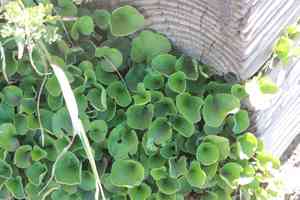
California ponysfoot, a sprawling groundcover recognized for its abundant leaves, thrives with trimming to preserve its vitality and aesthetic. To foster compact development, perform light pruning in early spring or late winter. Eliminate withered or compromised foliage and shorten overly extended stems with sterilized shears. Consistent trimming also enhances air movement and lowers the chance of illness. Execute pruning thoughtfully, never excising more than one-third of the plant simultaneously to avoid imposing strain.
Advantages of Trimming California Ponysfoot
Advantages of Trimming California Ponysfoot
Trimming california ponysfoot promotes robust development and helps maintain its desired shape. Regular removal of overgrown leaves fosters a dense, rich groundcover, enhancing its aesthetic while allowing for size management and a neat look.
Optimal Period for Trimming California Ponysfoot
Optimal Period for Trimming California Ponysfoot
These periods are considered ideal for pruning or trimming california ponysfoot as they align with the end of dormancy and the start of the active growth phase. Pruning in late winter allows shaping and encourages new growth without disrupting peak development. Early spring trimming stimulates fresh shoots, ensuring california ponysfoot's growth is strong and healthy. Pruning outside these times could stress the plant, disrupt its natural cycle, or reduce its blooming potential.
Tools Required for Trimming California Ponysfoot
Hand Pruners
Perfect for precise cuts to remove dead or damaged foliage, maintaining the health and beauty of california ponysfoot. Hand pruners offer control and can manage the slender stems of this groundcover.
Shears
Suitable for cutting back overgrown areas and shaping california ponysfoot. Shears facilitate even trimming for a tidy appearance.
Pruning Gloves
Protects hands from potential irritants on california ponysfoot when trimming and handling plant material.
Garden Scissors
Useful for snipping small, delicate parts of california ponysfoot that are too fine for hand pruners, ensuring minimal harm to surrounding plant tissue.
How to Trim California Ponysfoot
Sanitize Tools
Before trimming california ponysfoot, disinfect pruning tools with a solution of 1 part bleach to 9 parts water to prevent disease spread.
Examine Plant
Carefully inspect california ponysfoot for diseased and withered leaves. Look for signs of discoloration, spots, or decay indicating poor health.
Remove Diseased Leaves
Using sterilized tools, carefully cut away any diseased leaves from california ponysfoot at their base, being careful not to harm healthy tissue.
Trim Withered Leaves
Prune the withered, dead, or dying leaves of california ponysfoot by cutting them at the stem's base to encourage new growth and improve air circulation.
Discard Debris
Dispose of pruned material away from california ponysfoot to prevent potential re-infection or pest infestation in compost or trash.
Common Trimming Errors with California Ponysfoot
Excessive Pruning
Removing too much foliage which can stress california ponysfoot, leading to poor growth or susceptibility to pests and diseases.
Incorrect Cutting
Making jagged or tearing cuts instead of clean, angled ones which can hinder the plant's healing and introduce pathogens.
Insufficient Removal
Not pruning enough can lead to overcrowding, poor air circulation, and reduced vigor in california ponysfoot.
Ignoring Dead Material
Failing to remove dead or diseased foliage which can attract pests and diseases, impeding the overall health of california ponysfoot.
Pruning Without Disinfecting Tools
Using tools that haven't been sanitized, which can spread diseases between plants when trimming california ponysfoot.
Neglecting Plant Shape
Not considering the natural form of california ponysfoot when pruning can result in an unnatural appearance and reduced plant vitality.
General Trimming Advice for California Ponysfoot
Clean Cuts
Ensure you use sharp, sanitized pruning tools to make clean, angled cuts that heal quickly and minimize stress on california ponysfoot.
Prune To Thin
Thin out the foliage to enhance air circulation and light penetration, which will benefit the overall health of california ponysfoot.
Remove Dead Material
Regularly remove dead or diseased leaves and stems to maintain the plantâs health and appearance.
Encourage Bushiness
Pinch back the tips of california ponysfoot to promote a bushier growth habit and fuller coverage.
Maintain Plant Form
Respect the natural growth habit of california ponysfoot when pruning to maintain its aesthetic and support its health.
Gradual Pruning
Prune gradually over time rather than all at once; this will avoid shocking california ponysfoot and promote steady growth.



