How to Transplant Coastal plain balm?
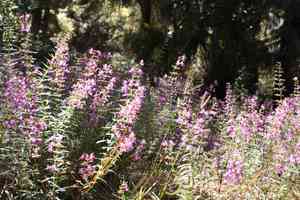
Coastal plain balm flourishes when relocated from mid-spring to late spring, as this timeframe facilitates root development prior to the summer warmth. Opt for sunny, adequately drained spots. Verify the chosen area replicates its native sandy, low-nutrient environment for effective integration.
What Preparations are Needed Before Transplanting Coastal Plain Balm?
What is the Ideal Time for Transplanting Coastal Plain Balm?
The best period for relocating coastal plain balm is from early to late spring, when the ground is warming but not excessively hot. Moving it during this window encourages better root development and robust growth, leveraging the plant's natural growth cycle. This timing minimizes stress and maximizes successful establishment in its new spot.
How Much Space Should You Leave Between Coastal Plain Balm Plants?
When relocating coastal plain balm, position them 18-24 inches (45-60 cm) apart. This provides ample room for growth and prevents competition for nutrients.
What is the Best Soil Mix for Coastal Plain Balm Transplanting?
For coastal plain balm, utilize well-draining sandy or loamy soil, enhanced with compost or a balanced base fertilizer. This will supply the necessary nutrients for healthy development.
Where Should You Relocate Your Coastal Plain Balm?
Coastal plain balm thrives in full sunlight. Select a site that receives at least 6-8 hours of direct sun daily to ensure optimal growth and blooming.
What Equipments Should You Prepare Before Transplantation Coastal Plain Balm?
Gardening Gloves
To safeguard your hands while handling soil and plants.
Shovel or Spade
For excavating a trench around the plant.
Trowel
To lift smaller plants such as seedlings or potted specimens.
Watering Can or Hose
To hydrate the plant before and after moving.
Wheelbarrow
To transport the plant if it's large or needs to be moved a significant distance.
Mulch
To aid in retaining moisture around the newly transplanted plant.
Pruners
To trim any damaged roots during the process.
How Do You Remove Coastal Plain Balm from the Soil?
How Do You Remove Coastal Plain Balm from the Soil?
From Ground: First, moisten the coastal plain balm plant to dampen the soil. Then, dig a wide trench around the plant using a shovel or spade, ensuring the plant's root ball remains intact. Carefully work the spade beneath the root ball to lift the plant from its original spot.From Pot: Water the coastal plain balm plant an hour prior to removal. Gently tap the sides of the pot and invert it while supporting the plant with your other hand. Slide the plant out, taking care not to harm the roots.From Seedling Tray: Water the seedlings to facilitate easier removal. Use the trowel to loosen the soil around each coastal plain balm seedling. Carefully lift each seedling by its leaves, not the stem, to minimize damage to the young plant.
Step-by-Step Guide for Transplanting Coastal Plain Balm
Hole Preparation
Excavate a hole in the new location that is twice as wide and the same depth as the coastal plain balm's root ball.
Root Trimming
Examine the root system of the coastal plain balm and trim any damaged or excessively long roots using pruners.
Plant Placement
Position the coastal plain balm in the hole, ensuring that the top of the root ball is level with the surrounding soil surface.
Soil Backfill
Refill the hole with the original soil, gently firming it around the root ball to eliminate air pockets.
Watering
Thoroughly water the coastal plain balm to settle the soil and establish good root-to-soil contact.
Mulching
Apply a 2-3 inch layer of mulch around the base of the coastal plain balm, keeping it away from the stem to prevent rot.
How Do You Care For Coastal Plain Balm After Transplanting?
Watering
Keep the soil around the coastal plain balm consistently moist, but not waterlogged, for the initial few weeks post-transplant to aid in developing strong roots.
Monitoring
Regularly check the coastal plain balm for signs of stress like wilting or yellowing leaves and promptly address by adjusting water or providing support.
Protection
Shield the coastal plain balm from strong winds or direct sunlight for the first few days to help it adapt to its new environment.
Support
Stake the coastal plain balm if necessary to keep it upright and stable until it re-establishes in its new location.
Troubleshooting Common Issues with Coastal Plain Balm Transplantation.
When is the best time to transplant coastal plain balm?
Early to late spring is optimal for relocating coastal plain balm.
How far apart should I space coastal plain balm seedlings?
Space coastal plain balm seedlings 18-24 inches (45-60 cm) apart for ideal growth.
How do I prepare the soil for coastal plain balm transplantation?
Enrich the soil with organic compost and ensure proper drainage for coastal plain balm.
What if my coastal plain balm leaves turn yellow after transplanting?
Yellow leaves might indicate overwatering. Adjust irrigation to keep soil moist but not saturated.
Why are my coastal plain balm seedlings wilting after transplanting?
Wilting can be due to transplant shock. Provide ample water and initial partial shade.
How deep should I plant coastal plain balm seedlings?
Plant coastal plain balm seedlings at the same depth they were in their original containers.
Do I need to fertilize coastal plain balm after transplanting?
Wait a few weeks before lightly fertilizing coastal plain balm to prevent root burn.
How should I water coastal plain balm immediately after transplanting?
Water coastal plain balm thoroughly after transplanting to help settle the soil around the roots.
Why are my coastal plain balm plants not growing well after transplanting?
Ensure they receive 6-8 hours of sunlight and consistent watering without waterlogging.
Can I transplant coastal plain balm in the summer?
Relocating coastal plain balm in summer is not advised due to heat stress. Early to late spring is best.



