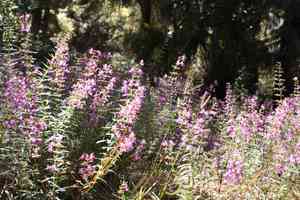
Coastal plain balm (Dicerandra linearifolia)
Also known as: None
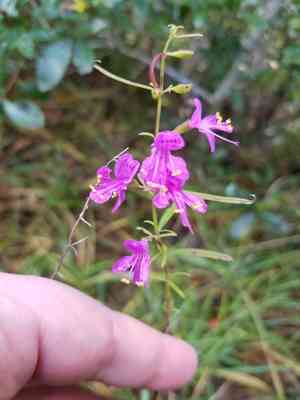
Coastal plain balm is an erect perennial herb characterized by its slender form and aromatic, narrow leaves. When crushed, these leaves release a minty fragrance. The plant produces striking purple flowers with a distinctive two-lipped structure and spotted throats, blooming in the fall to provide essential nourishment for native pollinators. Adapted to the sandy soils of its native scrub habitats, coastal plain balm excels in arid, well-drained environments.
In This Article
Attributes of Coastal plain balm
Lifespan
Perennial
Plant Type
Herb
Plant Height
0 mm to 30 cm
Spread
0.2 to 0.4 meters
Leaf Color
Green
Flower Size
1 to 2 centimeters
Flower Color
Pink to purple
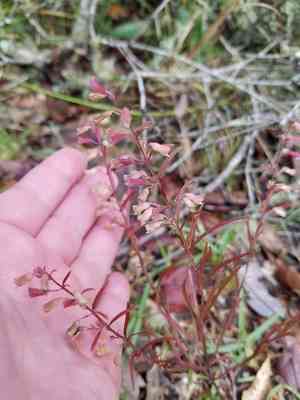
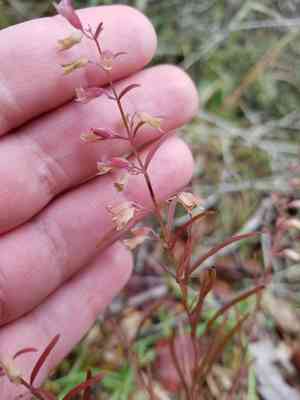
Images of Coastal plain balm
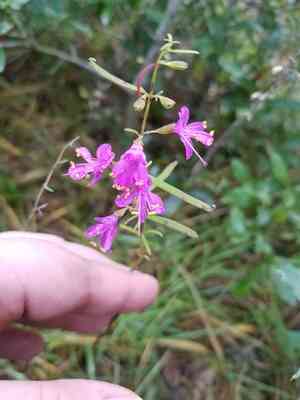
Quickly Identify Coastal plain balm
1
Dicerandra linearifolia can be identified by its linear, needle-like leaves, aromatic scent when crushed, and its cluster of tubular, pink to purple flowers. The stems are square in cross-section, a common characteristic in the mint family.
Scientific Classification of Coastal plain balm
Phylum
Vascular plants
Class
Dicotyledons
Order
Lamiales
Family
Mint
Genus
Balm
Species
Coastal plain balm
Planting and Growing of Coastal plain balm
Care Difficulty
Hard
Watering Schedule
Every 2 days
Sunlight Requirements
Full sun
Sunshine Duration
6-10 hours
Ideal Temperature
65-75℉
Soil Type
Potting Mix, Peat Mix
Soil pH
6.5-7.5
Fertilizer Type
Balanced
Pruning Season
Spring, Summer
Pruning Area
Branches, Leaves
Pruning Frequency
2 times a year
Repotting Season
Spring
Pot Type
Plastic, Terracotta
 How to Water Coastal plain balm?
Dicerandra linearifolia prefers a moderate amount of water. It's crucial to water until the soil is moist but not waterlogged. Aim for about 300 ml of water per session to ensure the roots have enough moisture without being drowned. This plant is adapted to dry conditions, so avoid excessive watering.
What are the symptoms of an underwatered Coastal plain balm?
›
What should I do if my Coastal plain balm is not getting enough water?
›
What are the symptoms of an overwatered Coastal plain balm?
›
How to save an overwatered Coastal plain balm?
›
 What Are the Sunlight Requirements for Coastal plain balm?
Dicerandra linearifolia thrives best in partial to full sun environments ensuring adequate growth and blooming. Providing balanced exposure prevents any extremes that could detrimentally affect its health.
What is the best location for Dicerandra linearifolia?
›
Can I grow it indoors under artificial light?
›
How do I maintain optimal light throughout the year?
›
 What Is the Ideal Temperature Range for Coastal plain balm?
Dicerandra linearifolia thrives in conditions where the temperature is consistently between 65°F and 75°F. At this temperature range, the plant's metabolic processes are optimized, promoting healthy growth and flowering.
 What Soil is Best for Coastal plain balm?
Dicerandra linearifolia thrives in well-draining soil, which prevents root rot caused by waterlogged conditions. Ensuring the soil allows excess water to percolate freely is key for healthy growth. This plant benefits from soils enriched with organic matter, providing essential nutrients for vibrant foliage and healthy blooms. Fertile soil supports robust plant development and resilience. While drought-tolerant to an extent, Dicerandra linearifolia prefers soil that retains moderate moisture. Consistency in moisture helps the plant maintain its lush appearance and flower production.
 How to Fertilize Coastal plain balm?
For Dicerandra linearifolia, it is crucial to use a balanced fertilizer with equal parts nitrogen, phosphorus, and potassium. A typical dosage would be 10-10-10 or 20-20-20 NPK ratio. Applying a diluted liquid fertilizer at half strength every two weeks is often most effective, especially during the growing season. This ensures the plant receives nutrients in a steady, easily absorbable manner, promoting healthy growth without the risk of over-fertilization.
 How to Prune Coastal plain balm?
Begin by removing any diseased or dead stems. This helps prevent the spread of diseases and pests. Trim down to healthy tissue to ensure the plant focuses its energy on growing new, strong shoots. To promote bushier growth, nip the tips of the stems just above a pair of leaves. This encourages the plant to send out side shoots, making it appear fuller and more lush over time. Perform the majority of your pruning in spring after the last frost, which prepares the plant for its active growth period. Summer is also suitable for light pruning to maintain shape and health.
More About Pruning Techniques→
 How to Propagate Coastal plain balm plant?
1
Start by preparing a potting mix that ensures good drainage; a mix of peat moss, perlite, and sand is advantageous. Fill the seedling trays with this mix, making sure not to compact the soil too much, as this could affect drainage and root growth.
2
Select healthy, non-flowering stems for cuttings, which increases the likelihood of successful rooting. Cut at a 45-degree angle to maximize surface area, which can improve rooting efficiency. Remove any leaves on the lower part of the cutting to prevent decay.
3
Insert cuttings into a rooting medium, ensuring that at least one node is buried. Maintain high humidity around the cuttings, which can be achieved by covering them with plastic. Ensure they receive indirect sunlight, as too much direct light can cause stress.
 How to Repot Coastal plain balm plant?
1
Dicerandra linearifolia needs repotting when you notice its roots crowding out of the drainage holes or a noticeable decline in its growth rate. Another good indicator is if the plant's soil appears compacted, turning hard and crusty, which hampers its ability to retain moisture and nutrients. The ideal time for repotting is during warmer months of spring or summer, giving the plant ample time to settle before dormancy.
2
Select a pot with drainage holes to allow excess water to escape, preventing root rot. A slightly larger pot than the current one is advisable — about 1-2 inches wider in diameter. This gives the plant room to grow without overwhelming its roots. Opt for clay pots if you want to facilitate further aeration, as they absorb excess water, which benefits plants preferring drier conditions.
3
A well-draining soil mix is crucial for Dicerandra linearifolia since it prefers quick-draining conditions. Use a base of sandy soil mixed with perlite or small gravel to increase aeration. Such a mix prevents waterlogging, ensuring the roots remain healthy while mirroring the plant's natural habitat. This helps maintain moisture without excess, supporting the plant's overall health and growth.
Learn More About Coastal plain balm Diseases
Anthracnose
Bacterial Leaf Spot
Bacterial Soft Rot
Bacterial Wilt
Black Spot
Chemical Injury
Crown Gall
Cyst Nematode
Damping-off
Downy Mildew
Drought Stress
Fusarium Wilt
Gray Mold
Leaf Spot
Mosaic
Nutrient Deficiency
Nutrient Toxicity
Powdery Mildew
Root Rot
Root-knot Nematode
Rusts
Sooty Mold
Spider Mites
Temperature Stress
Thrips Damage
White Mold



