How to Propagate Coastal plain balm?
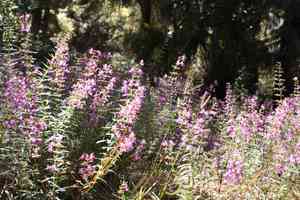
Coastal plain balm is a fragile botanical specimen recognized for flourishing in sandy substrates and arid landscapes. Successful propagation involves planting seeds in porous earth, ideally preserving dampness without saturation. Begin with newly harvested seeds, lightly pressing them onto the soil's top layer. Maintain young plants in filtered light until they are well-rooted. Always employ sanitized implements to reduce the likelihood of pathogens. Perseverance is crucial, as sprouting could require multiple weeks.
Optimal Period for Coastal Plain Balm Propagation
Propagation Method
Seeding
Propagation Period
Spring
Tools for Coastal Plain Balm Propagation
Seed Trays
Seed trays are crucial for planting coastal plain balm seeds. They offer a controlled environment for seedlings, ensuring proper spacing and easy observation. Trays help maintain consistent moisture and temperature, vital for coastal plain balm germination.
Seedling Heat Mat
A seedling heat mat helps maintain an ideal soil temperature, encouraging quicker and more uniform germination. For coastal plain balm, which needs warmth for successful germination, a heat mat can greatly improve germination rates and seedling vitality.
Humidity Dome
A humidity dome aids in retaining moisture and creating a greenhouse effect, which benefits coastal plain balm germination. It sustains a humid environment, preventing seeds from drying out and supporting healthy seedling growth until they are robust enough for transplanting.
Sterile Potting Mix
A sterile potting mix offers a disease-free growing medium for coastal plain balm, safeguarding young seedlings from pathogens and providing essential nutrients. The mix should drain well to prevent waterlogging, which can harm the seeds.
Seed Dibber
A seed dibber is used to create small, precise holes in the soil for planting coastal plain balm seeds. This tool ensures seeds are sown at the correct depth, enhancing germination success and providing optimal conditions for young seedlings to emerge.
How to Propagate Coastal Plain Balm?
Propagation Type
Simple
Caring for Your Newly Propagated Coastal Plain Balm
Caring for Your Newly Propagated Coastal Plain Balm
After successful coastal plain balm propagation, position plants in an area with full sun to partial shade. Water regularly to keep the soil consistently moist but not saturated. Avoid excessive watering to prevent root rot. Fertilize with a balanced, slow-release fertilizer monthly during the growing season. Prune lightly to maintain a neat shape and encourage denser growth. Monitor regularly for pests and diseases, treating promptly if necessary.
Common Errors to Avoid When Propagating Coastal Plain Balm
Overwatering
Excessive water can lead to root rot, which is detrimental to coastal plain balm's health.
Incorrect Soil
Using heavy, clay-rich soil can impede drainage, affecting root development and reducing propagation success.
Improper Light Conditions
Exposing coastal plain balm to too much direct sunlight or insufficient lighting can hinder growth and propagation.
Neglecting Humidity
Inadequate humidity can make it difficult for cuttings to develop roots, negatively impacting propagation.
Tips For Propagating Coastal Plain Balm
Well-Draining Soil
Utilize a sandy or loamy mixture to ensure proper drainage and provide an ideal environment for root growth.
Moderate Watering
Keep the soil consistently moist but not waterlogged to prevent root rot and promote healthy growth.
Ideal Light
Place coastal plain balm in an area with bright, indirect light to encourage steady growth without stressing the plant.
Maintain Humidity
Ensure high humidity levels around the cuttings by using a humidity dome or regular misting to support root development.



