How to Prune Coastal plain balm?
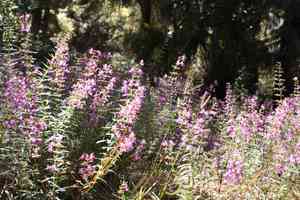
Coastal plain balm presents fragrant foliage and subtle blossoms, rendering it a distinctive garden inclusion. Essential trimming methods for coastal plain balm involve excising deceased or injured stalks and sculpting the plant to preserve its dense structure. The most suitable period for pruning is from late winter to early spring, prior to the emergence of new shoots. Consistent trimming improves air movement and fosters robust, energetic development. Employ sanitized, sharp implements to prevent illness, and consistently cut directly above a bud or leaf junction for optimal outcomes.
What Are the Benefits of Pruning Coastal Plain Balm?
What Are the Benefits of Pruning Coastal Plain Balm?
Trimming coastal plain balm encourages robust development and maintains its ideal form. It improves air circulation, lowering pest and disease risks, and fosters healthier, more abundant blooms, leading to a stronger and more attractive plant.
What Is the Best Time for Pruning Coastal Plain Balm?
What Is the Best Time for Pruning Coastal Plain Balm?
Trimming coastal plain balm in early spring and late winter is ideal as these times coincide with the plant's dormant phase. During dormancy, the plant's growth slows, minimizing shock and allowing for quicker recuperation. Additionally, pruning before the new growth cycle begins helps shape the plant and promotes healthier, more vigorous growth when the season starts. Pruning at these times also reduces the risk of disrupting coastal plain balm's flowering or fruiting periods, ensuring a more beautiful and productive display during the growing season.
What Tools Do I Need to Prune Coastal Plain Balm?
Hand Pruners
Perfect for making clean cuts on smaller branches and stems up to 1/2 inch thick. Essential for precise shaping and upkeep of coastal plain balm.
Bypass Pruners
Recommended for their scissor-like action which prevents branch damage. Ideal for maintaining the natural growth habit of coastal plain balm.
Pruning Shears
Useful for more detailed work on delicate stems. Aids in managing the fine structure of coastal plain balm.
Hedge Shears
Effective for uniform trimming of multiple stems, promoting a dense and healthy appearance suitable for coastal plain balm.
How to Prune Coastal Plain Balm
Preparation
Gather appropriate trimming tools such as clean, sharp pruning shears and disinfectant solution to sanitize the tools, preventing disease spread.
Inspection
Carefully examine the plant coastal plain balm to identify and locate diseased and withered leaves that need removal for healthy growth.
Disinfection
Before making any cuts, sterilize your pruning shears by dipping them into the disinfectant solution to avoid any potential contamination.
Removal
Trim away the diseased leaves first, making clean cuts just above the healthy parts of the plant. Follow by removing any withered leaves, cutting them back to the nearest healthy tissue.
Clean-up
Dispose of the removed leaves properly to prevent the spread of disease, and clean your tools thoroughly after pruning to keep them in good condition for future use.
Common Pruning Mistakes with Coastal Plain Balm
Improper cut placement
Making cuts too close to the main stem can damage the plant and increase susceptibility to disease.
Pruning too much
Over-pruning can stress coastal plain balm and reduce its ability to flower, as it relies on a certain amount of foliage to produce energy.
Using dull tools
Using dull pruning tools can tear the plant tissue instead of making clean cuts, leading to increased vulnerability to pests and diseases.
Pruning at the wrong stage
Pruning out of sync with the plant's growth cycle can hinder recovery and regrowth, particularly if done when the plant is actively trying to produce new shoots or flowers.
Common Pruning Tips for Coastal Plain Balm
Use sharp, clean tools
Ensure pruning shears are sharp and disinfected to make precise cuts and minimize the risk of infection.
Cut at a 45-degree angle
Make cuts at a slight angle to allow water to run off, reducing the likelihood of rot setting in at the cut site.
Prune for shape and airflow
Remove any crossing, dead, or overcrowded branches to improve airflow and light penetration, which helps prevent mold and mildew.
Encourage bushier growth
Pinch back the tips of branches to encourage the plant to grow more laterally, promoting a fuller, bushier appearance while also increasing flowering potential.



