How to Transplant Large-bract tick-trefoil?
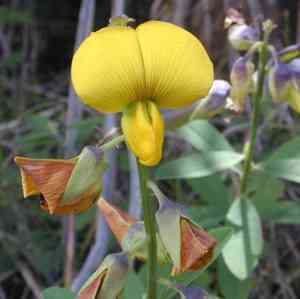
Relocating large-bract tick-trefoil is most effectively carried out from early to mid-spring, as this period offers optimal soil humidity and warmth. Select a site that receives full sun to partial shade and features soil that drains efficiently, which is crucial for robust development.
What Preparations are Necessary Before Relocating Large-bract Tick-trefoil?
What is the Best Period for Relocating Large-bract Tick-trefoil?
The prime window for moving large-bract tick-trefoil, a perennial species, spans from early to mid-spring. Relocating during this time enables the plant to establish its root system prior to summer's heat, ensuring a vigorous growth cycle. This timing optimizes the plant's capacity to adapt, lessening transplant stress and fostering healthy development.
What Distance Should You Maintain Between Large-bract Tick-trefoil Plants?
When relocating large-bract tick-trefoil, ensure a separation of 12-18 inches (30-45 cm) between them. This spacing provides ample room for growth and promotes adequate air circulation.
What is the Optimal Soil Blend for Large-bract Tick-trefoil Relocation?
For large-bract tick-trefoil, utilize well-draining soil comprising a blend of sand and loam. Incorporating a low-nitrogen base fertilizer can aid the plant's establishment and encourage robust root development.
Where Should You Replant Your Large-bract Tick-trefoil?
Select a sunny spot for replanting large-bract tick-trefoil. This plant flourishes in full sun, requiring at least 6 hours of direct sunlight daily for strong growth.
What Tools Should You Gather Before Relocating Large-bract Tick-trefoil?
Gardening Gloves
To safeguard your hands while handling soil and the plant.
Shovel or Spade
For excavating and extracting the large-bract tick-trefoil plant from its initial position.
Trowel
For smaller, more precise digging tasks around the plant's root system.
Pruning Shears
To trim any damaged or excessively long roots during the relocation process.
Watering Can
To moisten the soil both prior to and following relocation.
Mulch
To assist in retaining soil moisture and regulating temperature around the newly relocated large-bract tick-trefoil.
Stake and Ties
To offer support if the large-bract tick-trefoil plant is tall and requires additional stability.
How Do You Extract Large-bract Tick-trefoil from the Ground?
How Do You Extract Large-bract Tick-trefoil from the Ground?
From Ground: First, hydrate the large-bract tick-trefoil plant to moisten the soil. Next, excavate a wide trench around the plant using a shovel or spade, ensuring the plant's root ball remains intact. Carefully maneuver the spade beneath the root ball to lift the plant from its original spot.From Pot: Thoroughly water the large-bract tick-trefoil plant before removal. Gently tap the pot's sides to loosen the soil. Invert the pot while supporting the plant with your hand, and carefully slide the plant out. If the plant is stuck, run a trowel along the pot's edge to help release it.From Seedling Tray: Water the seedling tray to facilitate easier soil manipulation. Use a trowel or your hands to gently lift the large-bract tick-trefoil seedlings, striving to keep as much of the root system intact as possible.
Step-by-Step Guide for Relocating Large-bract Tick-trefoil
Site Preparation
Select an appropriate location for your large-bract tick-trefoil plant, considering its mature size and sunlight requirements.
Digging the Hole
Excavate a hole in the ground that is twice the width and equal in depth to the large-bract tick-trefoil plant's root ball.
Modifying Soil
Enhance the excavated soil with compost to supply nutrients. Mix it thoroughly.
Placing the Plant
Gently position the large-bract tick-trefoil plant in the hole, ensuring the top of the root ball is level with or slightly above the surrounding soil surface.
Backfilling
Refill the hole with the amended soil, pressing it gently but firmly around the root ball to eliminate air pockets.
Watering
Water the plant thoroughly immediately after relocation to settle the soil around the roots.
Staking
If necessary, use stakes and ties to support the large-bract tick-trefoil plant, especially if it is tall or top-heavy.
Mulching
Apply a layer of mulch around the plant's base to retain moisture and regulate temperature.
How Do You Care For Large-bract Tick-trefoil After Relocation?
Watering
Keep the soil around the large-bract tick-trefoil consistently moist, but not waterlogged, for the initial weeks post-relocation to aid in strong root establishment.
Mulching
Ensure the mulch layer is maintained to help retain moisture and shield the plant roots from temperature fluctuations.
Monitoring
Regularly check for any indications of relocation shock, such as wilting or yellowing foliage. Adjust watering practices as needed.
Weed Control
Keep the area surrounding the large-bract tick-trefoil plant free of weeds to lessen competition for resources.
Feeding
After the first month, consider nourishing the large-bract tick-trefoil plant with a balanced, slow-release fertilizer to encourage healthy growth.
Resolving Common Issues with Large-bract Tick-trefoil Relocation.
When is the optimal time to relocate large-bract tick-trefoil?
The best time to relocate large-bract tick-trefoil is early to mid-spring for ideal root establishment.
What spacing should large-bract tick-trefoil plants have?
Space large-bract tick-trefoil plants 12-18 inches (30-45 cm) apart to ensure healthy growth and air circulation.
What soil type is best for relocating large-bract tick-trefoil?
Well-draining, loamy soil enriched with organic matter is perfect for relocating large-bract tick-trefoil.
How do I prepare the soil for large-bract tick-trefoil relocation?
Loosen the soil and incorporate compost or aged manure to enrich the planting area.
Should I water large-bract tick-trefoil immediately after relocation?
Yes, water large-bract tick-trefoil thoroughly right after relocation to help settle the soil and reduce transplant shock.
How can I minimize relocation shock for large-bract tick-trefoil?
Relocate large-bract tick-trefoil on a cloudy day, keep roots moist, and water well after planting to reduce shock.
What should I avoid while relocating large-bract tick-trefoil?
Avoid relocating large-bract tick-trefoil during hot, dry periods or when frost is anticipated to minimize stress.
Is mulching necessary after relocating large-bract tick-trefoil?
Yes, applying a 2-3 inch (5-7.5 cm) layer of mulch can retain moisture and suppress weeds.
Can I relocate large-bract tick-trefoil in late spring or summer?
It's best to relocate large-bract tick-trefoil in early to mid-spring; late spring or summer can cause additional stress.
How deep should I plant large-bract tick-trefoil transplants?
Dig a hole deep enough to accommodate the root ball without burying the stem too deeply.



