How to Prune Large-bract tick-trefoil?
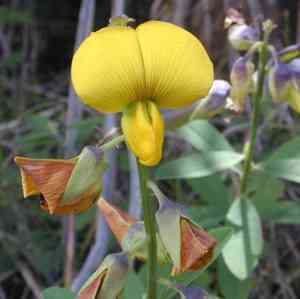
Desmodium cuspidatum, recognized for its prominent bracts and vigorous development, thrives with judicious trimming to preserve its form and stimulate robust flowering. The most suitable periods for trimming are during Spring and Summer, coinciding with the plant's energetic growth phase. Essential methods involve excising deceased or frail stalks, contouring the plant to facilitate air circulation, and cutting back post-bloom to invigorate subsequent development. Appropriate trimming improves both the visual attractiveness and general health of Desmodium cuspidatum.
What Are the Benefits of Pruning Large-bract Tick-trefoil?
What Are the Benefits of Pruning Large-bract Tick-trefoil?
Large-bract tick-trefoil thrives with trimming, promoting vigorous growth and an appealing form. Pruning aids large-bract tick-trefoil in resisting pests and diseases, fosters robust development, and enhances its overall look. Timely cuts ensure better flowering and manage its size effectively.
What Is the Best Time for Pruning Large-bract Tick-trefoil?
What Is the Best Time for Pruning Large-bract Tick-trefoil?
Trimming or cutting back large-bract tick-trefoil is best performed in spring and summer. These periods align with the plant's active growth phase, enabling rapid healing and energy allocation to new development. Spring pruning helps eliminate winter damage, stimulate fresh shoots, and prepare the plant for blooming or fruiting. Summer pruning, conversely, can manage the plant's dimensions and form, redirecting its energy from excessive foliage to strengthening its structure. This ensures a healthier, more robust plant throughout the growing season.
What Tools Do I Need to Prune Large-bract Tick-trefoil?
Hand pruners
Ideal for precise cuts on smaller stems and branches commonly found on large-bract tick-trefoil. These facilitate neat, clean cuts, which encourage healthy regrowth.
Bypass loppers
Useful for severing thicker stems or branches that are too large for hand pruners but still prevalent in the growth of large-bract tick-trefoil. Bypass loppers deliver a clean cut without crushing plant tissue.
Pruning saw
Optimal for removing larger, woody stems that may develop on large-bract tick-trefoil. A pruning saw ensures smooth cuts on more substantial growth without tearing the plant.
Gloves
Crucial for safeguarding hands from potential scrapes or irritants when handling large-bract tick-trefoil. Gloves offer a firm grip and protection during pruning.
Alcohol wipes or pruning disinfectant
Essential for sanitizing pruning tools before and after use on large-bract tick-trefoil to prevent the spread of diseases or pests.
How to Prune Large-bract Tick-trefoil
Inspection
Carefully examine large-bract tick-trefoil to identify diseased leaves, withered leaves, and diseased stems. Look for indicators such as discoloration, wilting, or spots.
Sterilize
Clean and sanitize your pruning tools with a solution of one part bleach to nine parts water, to prevent the spread of disease.
Remove Diseased Leaves
Trim off any diseased leaves by making clean cuts close to the main stem, but avoid harming the healthy parts of the plant.
Remove Withered Leaves
Cut away withered leaves, ensuring you follow the leaf petiole down to where it joins the main stem or branch, making a clean cut just above this junction.
Remove Diseased Stems
Prune diseased stems by cutting at least one inch below the affected area. Ensure the cut is clean and angled slightly downward to shed water away from the cut end and reduce the risk of rot.
Common Pruning Mistakes with Large-bract Tick-trefoil
Over-pruning
A frequent error is cutting back too much of the plant at once, which can stress large-bract tick-trefoil and impede its growth. Removing more than one-third of the plant at a time is excessive and should be avoided.
Improper Tool Use
Using dull or unsuitable tools can harm the plant, leading to jagged cuts that are more vulnerable to disease. Always use sharp, clean pruning shears.
Incorrect Cutting Techniques
Making improper cuts, such as cutting too close to a bud or leaving a stub, can affect the plant's ability to heal and grow. Cuts should be made at a slight angle just above a healthy bud.
Neglecting Dead or Diseased Parts
Failing to remove dead or diseased branches can spread disease to healthy parts of large-bract tick-trefoil. Itâs important to regularly inspect and remove any compromised parts.
Common Pruning Tips for Large-bract Tick-trefoil
Use Appropriate Tools
Ensure you use sharp, clean pruning shears. Clean tools prevent the spread of disease and make precise cuts to minimize plant damage.
Focus on Dead or Diseased Wood
Prioritize removing any dead, diseased, or damaged wood. This prevents the spread of disease and allows large-bract tick-trefoil to direct energy towards healthy growth.
Make Clean Cuts
Always make cuts at a slight angle just above a bud, ensuring you do not leave stubs or cut too close to the bud. This helps the plant heal properly and encourages healthy new growth.
Thin Rather Than Shear
Thinning involves removing selective branches to improve airflow and light penetration, promoting better overall plant health. Avoid shearing, which can result in dense foliage that restricts light and airflow.
Monitor Growth
Regularly assess the growth and shape of large-bract tick-trefoil. Pruning should be an ongoing process to maintain the desired shape and size, rather than a one-time task.



