How to Propagate Large-bract tick-trefoil?
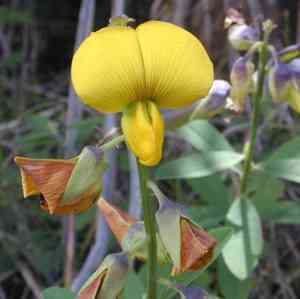
Desmodium cuspidatum, a species within the Fabaceae family, thrives in shaded garden environments. Its seeds require planting in soil that drains effectively and is rich in organic material. To enhance sprouting rates, abrade the seed coats prior to sowing. Consistent moisture is crucial for robust development, yet excessive watering should be prevented. For the best propagation outcomes, confirm that the planting location receives moderate to ample sunlight.
When Is the Optimal Time to Propagate Large-bract Tick-trefoil?
Propagation Method
Seeding
Propagation Period
Spring
What Equipment Is Used for Large-bract Tick-trefoil Propagation?
Seed Tray
A seed tray is vital for seeding, offering a controlled setting for large-bract tick-trefoil seeds to sprout. It aids in organized planting and ensures even spacing, preventing crowding and fostering healthy root growth.
Seed Starting Mix
A quality seed starting mix is essential for large-bract tick-trefoil germination, as it's specially formulated to provide the correct balance of nutrients, air circulation, and moisture retention. This mix supports seedlings during their initial growth.
Watering Can with Fine Rose
A watering can with a fine rose is useful for gently, evenly distributing water to large-bract tick-trefoil seeds and seedlings. This prevents seed displacement and reduces the risk of overwatering, which can cause damping-off disease.
Humidity Dome
A humidity dome placed over the seed tray creates a high-humidity environment, ideal for large-bract tick-trefoil germination. It maintains consistent moisture and temperature, boosting the germination rate.
Heat Mat
A heat mat under the seed tray provides consistent bottom heat, often necessary for successful large-bract tick-trefoil seed germination. It helps maintain optimal soil temperature, accelerating the germination process.
Seed Labels
Seed labels are used to identify the species and sowing date, ensuring proper tracking and care of large-bract tick-trefoil throughout the propagation process.
Fine Spray Bottle
A fine spray bottle is helpful for misting large-bract tick-trefoil seedlings, maintaining appropriate moisture without causing soil erosion or harming delicate seedlings.
How to Propagate Large-bract Tick-trefoil?
Propagation Type
Simple
How to Care for Your Newly Propagated Large-bract Tick-trefoil?
How to Care for Your Newly Propagated Large-bract Tick-trefoil?
Post-transplant, ensure large-bract tick-trefoil receives sufficient water, especially during dry spells, to aid root establishment. Mulch around the base to retain moisture and suppress weeds. Provide partial shade to full sun exposure. Monitor for pests and diseases, taking appropriate action if detected. Prune as needed to maintain plant health and form.
Common Errors to Avoid When Propagating Large-bract Tick-trefoil
Overwatering
Excessive moisture can lead to root rot, hindering large-bract tick-trefoil's growth and potentially killing young plants.
Soil Compaction
Dense soil restricts root development and oxygen flow, making it difficult for large-bract tick-trefoil to establish itself.
Improper Seed Depth
Planting seeds too deep or too shallow can prevent proper germination or expose them to pests.
Insufficient Light
Lack of adequate sunlight can stunt growth and prevent large-bract tick-trefoil from thriving, as it's crucial for photosynthesis.
Neglecting Pest Control
Failing to address pest issues can result in significant damage to young plants, impacting their overall growth.
Advice For Propagating Large-bract Tick-trefoil
Use Well-Draining Soil
Ensure the soil mix used for propagation is light and drains well to prevent waterlogging and root rot.
Sow Seeds at Appropriate Depth
Plant seeds at a depth of about 1/4 inch to ensure proper germination and to protect them from pests.
Maintain Moderate Moisture
Keep the soil moderately moist but not waterlogged. Check moisture levels regularly to avoid over- or under-watering.
Provide Adequate Light
Place large-bract tick-trefoil in a location where it receives ample sunlight. If indoors, supplemental grow lights can be used.
Monitor for Pests
Keep an eye out for common pests and act promptly. Natural predators, barriers, or eco-friendly pesticides can help manage infestations.



