How to Transplant Male bamboo?
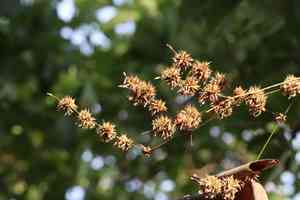
Male bamboo flourishes when relocated during the pleasant period from early to mid-spring. Choose a location that receives full sun or partial shade and has soil that drains effectively. Refrain from transplanting in mid-summer to avert heat-induced stress. Enjoy your transplanting!
Preparations Required Before Relocating Male Bamboo
Optimal Period for Relocating Male Bamboo?
Male bamboo flourishes when moved in early to mid-spring, a period marked by balanced temperatures and consistent moisture. Relocating during this time allows male bamboo to establish robust roots before summer heat, leading to healthier growth and increased resilience. Spring offers prime conditions for successful transplantation.
Recommended Spacing Between Male Bamboo Plants?
For male bamboo, aim for 8-10 feet (2.5-3 meters) between individual plants. This provides ample room for their development and expansion. Proper spacing enhances air circulation and lessens nutrient competition.
Ideal Soil Blend for Male Bamboo Relocation?
Prepare well-draining soil using a mix of loam, sand, and compost. This provides a balanced structure for male bamboo. Consider incorporating a nitrogen-rich base fertilizer to support vigorous growth.
Optimal Location for Your Male Bamboo?
Male bamboo thrives best in full sun to partial shade. Select a site that receives at least 6 hours of daily sunlight. This promotes robust growth and overall plant health.
Equipment Needed Before Relocating Male Bamboo
Gardening Gloves
To safeguard your hands while handling soil and the plant.
Shovel or Spade
For digging around the plant to extract it from its original spot.
Pruning Shears
To trim any damaged or excessively long roots.
Watering Can or Hose
To maintain soil moisture throughout the process.
Mulch
To help retain moisture and stabilize soil temperature around the plant.
Burlap or Heavy-Duty Plastic
To wrap the root ball once the plant is removed from its initial location.
How to Extract Male Bamboo from the Soil?
How to Extract Male Bamboo from the Soil?
From Ground: First, hydrate the male bamboo plant to moisten the soil. Next, excavate a wide trench around the plant with a shovel or spade, ensuring the plant's root ball remains intact. Carefully work the spade beneath the root ball to lift the plant from its original position.From Pot: Water the male bamboo plant to facilitate removal. Gently tilt the pot sideways and tap the bottom to loosen the soil. Support the plant at its base and slide it out. Be cautious not to harm the root ball.From Seedling Tray: Water the seedlings to simplify the removal process. Use a small implement, such as a spoon or flat stick, to gently lift each seedling from the tray, ensuring you retrieve as much of the root system as possible.
Step-by-Step Guide for Relocating Male Bamboo
Hole Preparation
Excavate a hole in the chosen spot that is twice as wide and equally deep as the male bamboo's root ball, allowing ample room for root expansion.
Plant Placement
Carefully position the male bamboo's root ball into the prepared hole, ensuring it rests at the same depth as it was in its previous location.
Filling in the Hole
Backfill the hole with soil, gently compacting it around the root ball to prevent air pockets, which can lead to root dehydration.
Watering
Thoroughly water the plant to help settle the soil and ensure good contact between roots and soil.
Applying Mulch
Spread a layer of mulch around the base of the male bamboo to help maintain soil moisture and temperature stability, but keep it a few inches away from the stem to prevent rot.
Post-Relocation Care for Male Bamboo
Watering
Keep the soil around the male bamboo consistently damp, but not waterlogged, for the initial weeks after relocation to aid in strong root establishment.
Pruning
Trim any damaged or dead foliage to reduce plant stress and encourage healthy growth.
Support
If your male bamboo is tall or prone to toppling, consider temporarily staking it until it develops a robust root system.
Observation
Closely monitor the plant for signs of transplant shock, such as wilting or yellowing leaves, and take immediate corrective actions like adjusting watering if necessary.
Addressing Common Issues with Male Bamboo Relocation.
When is the best time to relocate male bamboo?
Early to mid-spring is optimal for relocating male bamboo for maximum growth success.
What spacing is recommended for male bamboo during relocation?
Space each male bamboo plant 8-10 feet (2.4-3 meters) apart for optimal growth.
What soil type is ideal for male bamboo?
Male bamboo thrives in well-draining, loamy soil with a pH range of 5.5-7.5.
How should I prepare the new site for male bamboo?
Clear the area of weeds and loosen the soil to a depth of 12 inches (30 cm).
How much water does male bamboo need after relocation?
Water male bamboo deeply and consistently, ensuring the soil remains moist but not waterlogged.
What to do if male bamboo shows transplant shock?
Provide ample water, shade from harsh sunlight, and avoid immediate fertilization to aid recovery.
How deep should I plant male bamboo rhizome?
Plant the rhizome 2 inches (5 cm) below the soil surface for best results.
Is mulching necessary when relocating male bamboo?
Mulch around male bamboo to retain soil moisture and suppress weeds, but keep it 2 inches (5 cm) from stems.
How to prevent pests after relocating male bamboo?
Inspect regularly for pests, use insecticidal soap if needed, and maintain plant health for resilience.
Should I fertilize male bamboo after relocating?
Wait a few weeks after relocating male bamboo before applying a balanced, slow-release fertilizer.



