How to Overwinter Male bamboo
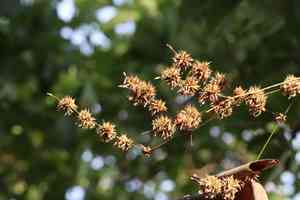
1
Male bamboo is semi-hardy, capable of enduring mild frost but requiring shelter from extreme cold.
2
Applying a layer of organic mulch, such as straw or leaves, offers superb insulation against freezing temperatures.
3
When overwintering Male bamboo indoors, position the plant in a cool, well-lit spot, distant from direct heat sources.
Understanding Male bamboo and Its Frost Tolerance
Understanding Male bamboo and Its Frost Tolerance
When preparing your Male bamboo for winter, knowing its frost tolerance is vital. This plant is considered half-hardy, meaning it can endure light frost but needs protection from severe or extended freezing temperatures. In areas where temperatures frequently fall below -6°C (20°F), extra precautions are necessary to ensure the plant survives the winter.
Preparing Male bamboo for Overwintering
When to Start Preparation
Begin getting your Male bamboo ready for winter in early autumn, before the first frost arrives. This allows the plant to adapt to changes and prevents you from being unprepared for sudden cold snaps. Ideally, start preparations when nighttime temperatures begin to drop below 10°C (50°F).
Necessary Tools and Materials
Ensure you have the following tools and supplies ready for overwintering your Male bamboo: Sharp pruning shears Organic mulch (straw, leaves, or wood chips) Burlap or frost blankets Stakes and ties for securing coverings Shovel for digging if relocating plants indoors
Pruning and Cleaning the Plant
Trim your Male bamboo by removing any dead or damaged canes. This not only helps the plant conserve energy but also lowers the risk of disease and pests. Cleaning around the plant's base, removing fallen leaves, and other debris can prevent the accumulation of mold and rot that thrive in damp winter conditions.
Protecting Male bamboo from Frost
Using Mulch and Ground Insulation
One of the best methods to shield Male bamboo from frost is by applying a thick layer of organic mulch around the plant's base. Aim for a depth of 5-10 cm (2-4 inches). This mulch acts as an insulating layer, safeguarding the roots from the cold. Organic materials like straw, leaves, or wood chips are excellent for mulching.
Wrapping the Plant for Winter
In cases of severe frost, wrapping your Male bamboo can provide additional protection. Use materials such as burlap or specialized frost blankets to cover the plant. Secure the coverings with stakes and ties to ensure they remain in place. Wrapping should be done before the first hard frost and removed once the threat of frost has passed.
Indoor Overwintering Options for Male bamboo
Choosing the Right Location Indoors
If you opt to bring your Male bamboo indoors for the winter, select a spot that offers bright, indirect sunlight. A south-facing window can be perfect. Ensure the area is cool but not excessively cold, maintaining temperatures between 10°C (50°F) and 15°C (59°F). Keep the plant away from direct heat sources like radiators or fireplaces, as these can dry out the foliage.
Maintaining Optimal Conditions Inside
Indoors, it's crucial to maintain humidity levels around your Male bamboo. Using a humidity tray or a room humidifier can prevent the plant from drying out. Water the plant sparingly, just enough to keep the soil slightly moist but not waterlogged. Overwatering can lead to root rot, which is particularly problematic in winter.
Monitoring Male bamboo Health Through Winter
Regularly Check for Signs of Stress or Disease
Throughout winter, routinely inspect your Male bamboo for indications of stress or illness. Look for yellowing leaves, wilted canes, or any unusual spots that might signal fungal infections. Addressing these issues promptly can prevent them from worsening and harming your plant.
Adjusting Care Based on Observations
Based on your observations, modify the care routine for your Male bamboo. If the plant shows signs of dehydration, increase humidity or water slightly more. If rot or fungal infections appear, reduce watering and ensure adequate ventilation around the plant. Tailoring your care approach based on real-time observations will help the plant thrive despite the cold winter months.



