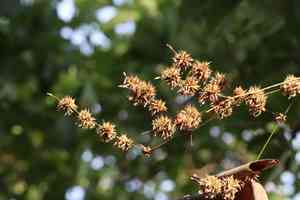
Male bamboo (Dendrocalamus strictus)
Also known as: Solid bamboo
Moso bamboo (Phyllostachys edulis) is a prominent choice for pulp and paper production due to its rapid growth. Its flowers, which are pollinated by wind, are also edible. In some regions, such as India, the seeds of this bamboo are ground into flour. Besides its use in the paper industry, Moso bamboo is highly valued for constructing poles, bridges, and scaffolding.
In This Article
Attributes of Male bamboo
Lifespan
Perennial
Plant Type
Grass
Plant Height
15-20 meters
Spread
0.60-0.90 meters (culm diameter at base)
Leaf Color
Green
Flower Size
Not typically noted for flowers
Flower Color
Not typically noted for flowers
Images of Male bamboo
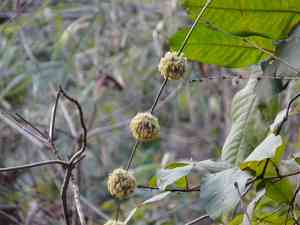
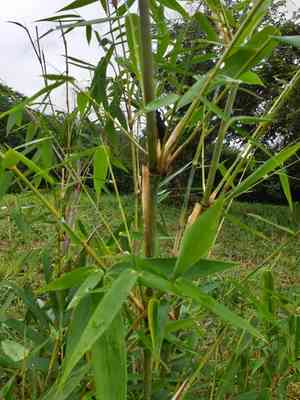
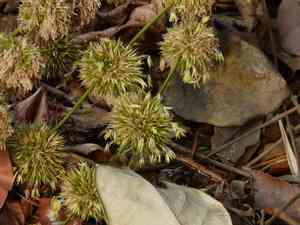
Quickly Identify Male bamboo
1
To identify Dendrocalamus strictus, look for tall bamboo culms that are solid rather than hollow. The culms typically have a green to yellowish-green color and are usually straight with short internodes. Also, the presence of dense clumps is a characteristic feature.
Scientific Classification of Male bamboo
Phylum
Vascular plants
Class
Monocotyledons
Order
Poales
Family
Grass
Genus
Dendrocalamus
Species
Male bamboo
Planting and Growing of Male bamboo
Care Difficulty
Moderate
Watering Schedule
Every 2 days
Sunlight Requirements
Full sun
Sunshine Duration
6-10 hours
Ideal Temperature
60-86℉
Soil Type
Potting Mix, Peat Mix
Soil pH
6.5-7.5
Fertilizer Type
Balanced
Pruning Season
Spring, Summer
Pruning Area
Branches, Leaves
Pruning Frequency
2 times a year
Repotting Season
Spring
Pot Type
Plastic, Ceramic
 How to Water Male bamboo?
Dendrocalamus strictus requires deep watering to ensure that the root system receives adequate moisture. It is essential to allow water to saturate the soil thoroughly, providing moisture down to the root zone without causing waterlogging. This ensures the bamboo's optimal health and growth.
What are the symptoms of an underwatered Male bamboo?
›
What should I do if my Male bamboo is not getting enough water?
›
What are the symptoms of an overwatered Male bamboo?
›
How to save an overwatered Male bamboo?
›
 What Are the Sunlight Requirements for Male bamboo?
Dendrocalamus strictus ideally requires full sun to partial sun, benefiting immensely from consistent bright, unfiltered light to support robust growth and vibrant foliage.
What is the ideal light condition for Dendrocalamus strictus?
›
How can I achieve ideal lighting for Dendrocalamus strictus?
›
What are the benefits of providing ideal light for Dendrocalamus strictus?
›
 What Is the Ideal Temperature Range for Male bamboo?
The ideal temperature range for Dendrocalamus strictus is between 60°F and 86°F. This range ensures optimal growth, allowing the bamboo to thrive without stress. These temperatures provide the necessary warmth, replicating its natural tropical and subtropical habitats.
 What Soil is Best for Male bamboo?
Dendrocalamus strictus thrives in nutrient-rich soil that supports rapid growth and ensures robust plant health. Utilizing organic matter like compost can enrich the soil, promote root development, and maximize bamboo productivity. Well-draining soil is crucial to prevent waterlogging, which can cause root rot. It allows water to flow freely while retaining enough moisture for bamboo growth, ensuring plant resilience in various conditions. Maintaining a pH-balanced environment within the 6.5 to 7.5 range is vital to optimize nutrient uptake. It prevents nutrient lockout and fosters an ideal setting for bamboo to flourish without deficiencies.
 How to Fertilize Male bamboo?
For Dendrocalamus strictus, the fertilization should be balanced and measured. During the growing season, approximately 1-2 tablespoons of a balanced liquid fertilizer diluted to half strength per plant is ideal. Ensure the application is more during the plant's active growth phase to support its robust development.
 How to Prune Male bamboo?
Begin by inspecting the bamboo clump and identify any dead, damaged, or weak culms. Use sharp, clean pruning shears to cut these culms at the base, close to the ground. This will prevent the spread of pests and diseases and encourage the growth of new and healthy culms. Thinning involves removing excess culms to improve air circulation and light penetration within the clump. Remove culms from the center of the clump first, ensuring that remaining culms are evenly spaced and not crowded. This will boost photosynthesis and prevent infestation. If the height of Dendrocalamus strictus becomes unmanageable, you can top the culms to reduce their height. Use a saw or large pruners to cut the tops at an angle just above a node. This prevents water accumulation and ensures healthier regrowth.
More About Pruning Techniques→
 How to Propagate Male bamboo plant?
1
Collect seeds from mature bamboo plants and soak them in water overnight to improve germination rates. This hydration process encourages seed swelling, indicating readiness for planting.
2
Select a healthy mature culm and cut segments with at least two nodes. Ensure each cutting is about 6 inches long for optimal rooting and new shoot development.
3
Identify a mature root clump and carefully separate it using a spade, ensuring each division has a healthy root system and shoots for successful replanting.
 How to Repot Male bamboo plant?
1
Dendrocalamus strictus shows signs of needing repotting when its roots begin to circle the pot or emerge through drainage holes. Other indicators include slower growth and reduced water absorption. These signals often manifest in spring, making it the optimal time for repotting as the plant transitions into its growing season.
2
Select a pot that is 2-3 inches wider in diameter than the current one, ensuring it has ample drainage holes. This extra space encourages root expansion while preventing waterlogging. A slightly larger pot supports more vigorous growth and allows the plant to thrive without the roots becoming cramped again quickly.
3
Opt for a well-draining loamy mix, enriched with organic matter to boost nutrient availability. This type of soil ensures proper drainage, reducing the risk of root rot, while also providing necessary structural support and adequate aeration to encourage healthy root development.



