How to Prune Male bamboo?
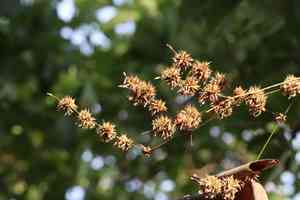
Dendrocalamus strictus is recognized for its sturdy, elevated, and clustered development. Trim this variety in the initial part of spring or during winter to eliminate deceased or frail stalks and foster more vigorous development. Make cuts close to the ground, focusing on mature or compromised stems while preserving nascent shoots. Trimming improves air circulation and light exposure, diminishing the likelihood of illness. It also molds and controls the dimensions of Dendrocalamus strictus, simplifying its upkeep and enhancing its visual appeal. Verify that instruments are disinfected to avert the dissemination of harmful microorganisms.
What Are the Benefits of Pruning Male Bamboo?
What Are the Benefits of Pruning Male Bamboo?
Trimming male bamboo encourages robust development and helps maintain its form by eliminating old, dead, or overly dense canes. It enhances the plant's overall look, improves air circulation, and lowers the risk of pest infestations and illnesses.
What Is the Best Time for Pruning Male Bamboo?
What Is the Best Time for Pruning Male Bamboo?
Pruning male bamboo during early spring and winter is considered optimal due to several factors. Early spring is a time before the new growth cycle begins, allowing the plant to heal and redirect its energy towards vigorous new growth. Winter, being the dormant season for male bamboo, is ideal for trimming as the plant's metabolic activities are at their lowest, reducing the risk of shock and disease transmission. Additionally, pruning during these seasons helps in maintaining the plantâs health, structure, and promotes better flowering or fruiting by eliminating dead or unwanted growth. These guidelines are aligned with reputable horticultural practices that emphasize the importance of timing in plant care.
What Tools Do I Need to Prune Male Bamboo?
Hand Pruners
Perfect for snipping smaller canes or branches, especially those under 1 inch in diameter. They offer precision and control for detailed trimming tasks.
Loppers
Effective for cutting larger canes up to 2 inches in diameter. The long handles provide extra leverage, making it easier to cut through thicker growth.
Pruning Saw
Essential for cutting large, mature canes that are over 2 inches in diameter. These saws are designed to cut through tough, woody material efficiently.
Pole Pruner
Useful for reaching and trimming higher canes without the need for a ladder. It combines a pruning saw and a lopper on an extended pole, ensuring safety and ease of access.
Hedge Shears
Useful for shaping and maintaining the overall appearance. They allow for quick trimming of foliage and smaller branches.
How to Prune Male Bamboo
Inspection
Carefully examine male bamboo to identify any diseased or withered leaves. This will enable targeted pruning and promote overall plant health.
Tool preparation
Sanitize and sharpen your pruning shears to prevent the spread of disease and ensure clean cuts. Clean tools reduce the risk of infecting male bamboo.
Diseased leaf removal
Begin by trimming away any diseased leaves. Cut as close to the base of the leaf stem as possible without damaging the surrounding healthy tissue.
Withered leaf removal
Remove withered leaves by following the same technique used for diseased leaves. Trim close to the leaf base to encourage new growth and maintain plant aesthetics.
Cleanup and disposal
Collect all removed leaves and dispose of them far from male bamboo to prevent potential disease spread. Clean your tools again after pruning to maintain hygiene.
Common Pruning Mistakes with Male Bamboo
Over-pruning
Cutting too much of male bamboo can lead to stress and hinder its growth. It's essential to avoid removing more than a third of the plant at one time.
Improper Cuts
Using dull or inappropriate tools can cause jagged cuts, which may lead to disease. Always use sharp, clean pruning shears.
Pruning Young Stems
Removing shoots that are too young can stunt the plant's development. Focus on mature stems for better health and growth of male bamboo.
Ignoring Pests and Diseases
Failing to inspect for pests and diseases before pruning can spread infections. Always check and treat any issues prior to pruning.
Random Pruning
Cutting branches haphazardly without a plan can damage the plant architecture. Strategize pruning to maintain the natural shape of male bamboo.
Common Pruning Tips for Male Bamboo
Use Proper Tools
Invest in high-quality pruning shears and saws specifically designed for bamboo. They make cleaner cuts and reduce damage to male bamboo.
Sanitize Tools
Sanitize pruning tools with a diluted bleach solution between cuts to prevent the spread of diseases.
Focus on Culms
Prune older culms at ground level to encourage new growth. Male bamboo naturally sheds older growth; assist this by removing mature, unproductive culms.
Cut Above Nodes
Make clean cuts just above the nodes. This encourages healthy regrowth and minimizes the risk of disease.
Thin Clumps
Regularly thin out congested clumps to improve air circulation and sunlight penetration, which reduces the likelihood of fungal infections.



