How to Transplant Subalpine larkspur?
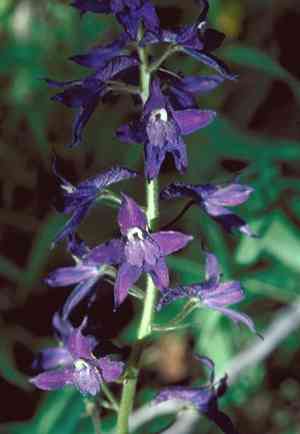
The most favorable time for transplanting subalpine larkspur extends from the initial emergence of spring foliage to the pleasant weather just before midsummer. This timeframe offers a combination of cool, damp earth and warmer atmospheric conditions, which stimulates root development. Choose a location that receives ample sunlight and possesses good drainage, exercising caution to safeguard fragile roots throughout the procedure.
Essential Preparations Before Relocating Subalpine Larkspur?
Optimal Period for Moving Subalpine Larkspur?
Relocate subalpine larkspur during the mild warmth of late spring. This timeframe's consistent growing conditions promote strong root development, guaranteeing a vibrant display. Embrace this season for garden vitality and the successful establishment of subalpine larkspur.
Recommended Spacing Between Subalpine Larkspur Plants?
Allow your subalpine larkspurs ample room to thrive! Position them '12-18 inches (30-46 cm)' apart when transplanting. This provides sufficient space for growth while also enabling mutual support as they grow tall.
Ideal Soil Blend for Subalpine Larkspur Relocation?
For thriving subalpine larkspurs, incorporate a well-draining soil with some compost or a balanced, slow-release fertilizer prior to planting. This nutritious beginning will aid your subalpine larkspurs in developing robust root systems.
Where to Replant Your Subalpine Larkspur?
Your subalpine larkspurs will flourish in a location with full to partial sun, receiving at least 6 hours of sunlight daily. Select a spot that gets morning sun and some afternoon shade to shield them during the hottest part of the day.
Equipment Needed Before Transplanting Subalpine Larkspur?
Gardening Gloves
To safeguard your hands while handling soil and plants.
Trowel
For excavating small holes and refining the area for the root ball.
Shovel or Spade
To dig larger holes and trenches for extracting and planting the subalpine larkspur.
Garden Fork
To loosen the soil around the root ball and in the new planting site.
Watering Can or Hose
To hydrate the subalpine larkspur before and after its relocation.
Wheelbarrow
To transport the subalpine larkspur and any necessary soil amendments.
Root Pruning Shears
To trim any damaged or excessively long roots prior to transplanting.
Plant Supports/Stakes
To offer stability to the subalpine larkspur in its new spot if required.
How to Extract Subalpine Larkspur from the Soil?
How to Extract Subalpine Larkspur from the Soil?
From Pot: Start by watering the subalpine larkspur to facilitate easier root ball removal. Turn the pot on its side, tap the base, and gently pull the plant out by the stem's base. Support the root ball to prevent it from breaking apart.From Seedling Tray: Thoroughly water the seed tray beforehand. Gently press the bottom of the tray cells to push the subalpine larkspur seedling upwards. Handle delicate seedlings by their leaves, not stems, to minimize harm.From Ground: Water the subalpine larkspur the day before to ensure moist soil. Use a garden fork to loosen the soil around the subalpine larkspur, being careful not to harm the root system. Dig a wide trench around the plant with a shovel, then slide the shovel or spade beneath the root ball to lift it out.
Detailed Steps for Relocating Subalpine Larkspur
Preparation
Water the subalpine larkspur before beginning to ensure it is well-hydrated. This will enhance the plant's resilience to the stress of relocation.
Root Ball
Use a shovel or spade to dig a wide trench around the subalpine larkspur, making sure to keep as much of the root ball intact as possible. The trench size should allow comfortable work without root damage.
Lifting
Slide the shovel beneath the root ball, using a garden fork if necessary to loosen any compacted soil, and carefully lift the subalpine larkspur from its original spot.
Prepare New Hole
Dig a hole in the new location that is twice the width of the root ball and of equal depth, allowing the subalpine larkspur to be planted at the same soil level as before.
Positioning
Place the subalpine larkspur in the center of the new hole and adjust its depth. Backfill the hole with soil, ensuring uniform root coverage.
Soil Compaction
Gently press down on the soil around the base of the subalpine larkspur to eliminate large air pockets. The soil should be firm but not excessively compacted, which can hinder root growth.
Watering In
Water the subalpine larkspur thoroughly after transplanting to settle the soil and help reduce transplant shock. Ensure water penetrates deeply to encourage roots to grow downwards.
Support
If the subalpine larkspur is tall or top-heavy, use plant supports or stakes to keep it upright and protect it from strong winds until it is established.
Post-Transplant Care for Subalpine Larkspur
Monitoring
Inspect the subalpine larkspur daily for the initial couple of weeks to check for signs of transplant shock, such as wilting or discolored leaves.
Watering
Keep the soil around the subalpine larkspur moist for the first few weeks, watering deeply and consistently to aid new root establishment. Afterward, reduce frequency to prevent waterlogging.
Mulching
Apply a layer of organic mulch around the subalpine larkspur to retain soil moisture, regulate temperature, and minimize weed competition.
Pruning
Trim any damaged or dead foliage to redirect the subalpine larkspur's energy towards root and shoot development and to maintain a healthy appearance.
Fertilizer
Withhold fertilizer until the subalpine larkspur shows signs of new growth, indicating establishment. When ready, use a balanced, slow-release formula.
Addressing Common Issues with Subalpine Larkspur Relocation.
When is the best time to move subalpine larkspur?
The ideal period for relocating subalpine larkspur is from late spring to early summer, when the soil is warm.
What spacing should I use for subalpine larkspur when transplanting?
Maintain a distance of 12-18 inches (30-45 cm) between each subalpine larkspur to allow adequate growth space.
What is the correct transplant depth for subalpine larkspur?
The root ball should be planted at the same depth it was in its previous location.
Why is my relocated subalpine larkspur wilting?
Wilting may indicate shock or insufficient watering. Gradually acclimate subalpine larkspur and keep soil moist, not waterlogged.
Can I move subalpine larkspur on a hot, sunny day?
Relocate subalpine larkspur on an overcast day or in the evening to lessen transplant shock from heat.
Why isn't my subalpine larkspur growing after relocation?
Check if the soil is too dense, too dry, or lacking nutrients. Amend with compost and ensure proper watering.
Should I fertilize subalpine larkspur after transplanting?
Wait a few weeks after transplant before applying a mild, balanced fertilizer to prevent root burn.
Does subalpine larkspur need pruning after transplanting?
Pruning is not immediately necessary after transplant, but remove any damaged leaves to encourage healthy growth.
What is the ideal soil pH for transplanting subalpine larkspur?
Aim for a slightly acidic to neutral pH (6.0-7.0) for the best growing environment for subalpine larkspur.
How do I protect newly transplanted subalpine larkspur from pests?
Regularly inspect plants and use appropriate methods, such as organic insecticidal soap, to control pests without harming subalpine larkspur.



