How to Propagate Subalpine larkspur?
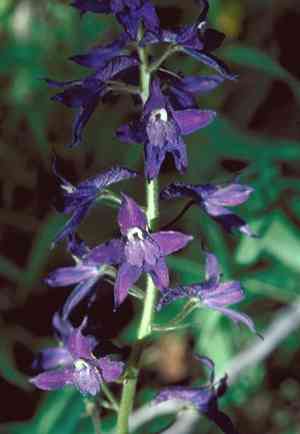
Effective propagation of subalpine larkspur is achieved by seeding, a technique well-suited to its natural development. For cultivating subalpine larkspur, employ premium seeds and a soil blend that drains efficiently to foster successful sprouting. Precise seed placement is vital, as subalpine larkspur benefits from ample space to establish strong root structures. Maintaining steady hydration is essential, yet excessive watering must be prevented to avert root decay. Delicate handling is paramount when relocating young subalpine larkspur to their permanent sites, thereby reducing stress on the fragile plantlets.
Optimal Period for Subalpine Larkspur Propagation
Propagation Method
Seeding
Propagation Period
Spring
Tools Utilized in Subalpine Larkspur Propagation
Seed trays
Seed trays are ideal for initiating subalpine larkspur seeds under controlled environmental conditions. These trays assist in maintaining consistent moisture and temperature, crucial elements for successful subalpine larkspur germination. The individual compartments aid in separating seedlings, minimizing root disturbance during transplantation.
Peat pots
Peat pots are advantageous for subalpine larkspur because they are biodegradable and can be directly planted into the ground. This reduces root disruption, a vital aspect for the delicate roots of subalpine larkspur. They also encourage superior root development and facilitate a smoother, less stressful transplanting process for young plants.
Misting system
A misting system guarantees that subalpine larkspur seeds and young plants receive a gentle, steady supply of water, which is critical for their germination and initial growth phases. This setup helps maintain optimal humidity and moisture levels, essential for the fragile seeds of subalpine larkspur.
Growing lights
Growing lights deliver the necessary light wavelengths for the germination and development of subalpine larkspur seedlings, particularly when natural light is inadequate. These specialized lights help mimic natural light conditions, fostering stronger and healthier growth in the early stages.
Heat mat
A heat mat gently warms the soil, boosting the germination rate of subalpine larkspur by maintaining a stable soil temperature. This is especially important in cooler climates or during colder months, where ambient temperatures might be below the optimal germination range for subalpine larkspur.
How to Propagate Subalpine Larkspur?
Propagation Type
Easy
Caring for Your Newly Propagated Subalpine Larkspur
Caring for Your Newly Propagated Subalpine Larkspur?
Following successful propagation, encourage the growth of subalpine larkspur by ensuring they are planted in a location with full sun to partial shade and in rich, well-draining soil. Consistent watering to keep the soil moist, especially during dry spells, will be essential. Avoid excessive watering to prevent root rot. As subalpine larkspur matures, support may be necessary as they can reach considerable height and are susceptible to wind damage. Regular application of a balanced, slow-release fertilizer during the growing season will aid in promoting healthy growth and flowering.
Common Errors to Avoid When Propagating Subalpine Larkspur
Overwatering
Excessive watering of subalpine larkspur after planting can lead to root rot, as this species prefers well-drained soil. This error can severely hinder root development and decrease survival rates.
Deep planting
Planting subalpine larkspur seeds or seedlings too deeply can impede proper germination and growth. Seeds require adequate light and should be sown at a shallow depth to ensure successful development.
Ignoring soil pH
Using a soil mixture with an unsuitable pH can inhibit the growth of subalpine larkspur. This species thrives in slightly alkaline to neutral pH levels; deviation can impair nutrient absorption and overall plant health.
Crowded planting
Sowing subalpine larkspur seeds or positioning seedlings too closely together can result in overcrowding. This leads to poor air circulation and light penetration, increasing the risk of disease and stunted growth.
Tips For Propagating Subalpine Larkspur
Soil preparation
Ensuring the soil is well-drained and has a slightly alkaline to neutral pH is crucial for successful subalpine larkspur propagation. Improve drainage by incorporating organic matter or using a suitable gritty medium.
Seed treatment
Cold stratifying subalpine larkspur seeds before sowing enhances germination rates. This preparatory step is vital as it mimics the natural winter conditions the seeds would encounter in their native habitat.
Light management
Providing sufficient but indirect light is key for germinating subalpine larkspur. Direct sunlight can be too intense, leading to seed desiccation, while insufficient light may result in weak, leggy seedlings.
Monitoring moisture levels
Maintaining consistent moisture levels without waterlogging the soil is essential for subalpine larkspur. Use a fine mist to keep the soil moist but not soggy to support healthy seedling growth.



