Enhancing Your Garden Design with the Subalpine larkspur Plant: A Landscaping Guide
1
Subalpine larkspur contributes distinct aesthetic appeal to your garden across various seasons.
2
Correct placement and maintenance are essential for Subalpine larkspur's best development.
3
Integrating Subalpine larkspur with other garden features can improve both the beauty and utility of your outdoor space.
Grasping the Importance of Subalpine Larkspur in Garden Design
Emphasizing the distinct visual appeal of Subalpine larkspur
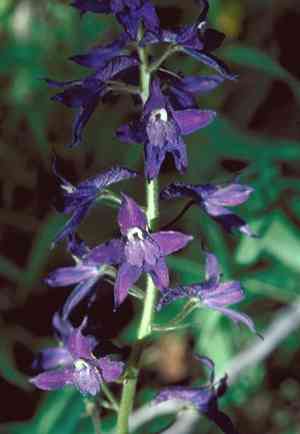
In the realm of garden design, Subalpine larkspur distinguishes itself with remarkable beauty. Its towering flower spikes and vivid hues can establish an impressive centerpiece in any garden, making it a favored selection among horticulturists. Its blossoms frequently draw in hummingbirds and butterflies, introducing a wildlife element to your outdoor space. By integrating Subalpine larkspur into your landscape plan, you can significantly enhance your garden's aesthetic quality.
Discussing Subalpine larkspur's seasonal influence on your garden's visual charm
Subalpine larkspur provides aesthetic value across various seasons. During spring and summer, it blooms with exquisite flowers, ranging from deep blue to purple, offering a striking contrast to green foliage. As autumn approaches, its leaves can introduce diverse textures and colors, contributing to your garden's year-round dynamic visual appeal. Comprehending its seasonal behavior aids in planning a garden that consistently looks its best.
Investigating the ecological advantages of incorporating Subalpine larkspur in landscaping
Beyond its visual allure, Subalpine larkspur offers several ecological benefits. As a perennial, it returns annually, lessening the need for replanting and conserving resources. It can also improve soil health by adding organic matter and attracting beneficial insects that assist in pollinating other plants. By including Subalpine larkspur in your landscape, you contribute to a healthier ecosystem and foster biodiversity.
Designing with Subalpine Larkspur: Fundamental Principles
Advice for placing Subalpine larkspur in your landscape for optimal development
Correct placement of Subalpine larkspur is crucial for ensuring its best growth and vibrant appearance. It flourishes in well-drained soil and sunny spots, though it can endure partial shade. Ensure you plant Subalpine larkspur where it has ample room to grow tall without overshadowing smaller plants. Additionally, consider the landscape's layout to ensure it can serve as an eye-catching focal point or enhance existing garden features.
Achieving color harmony with Subalpine larkspur and companion plants
Establishing a cohesive color scheme is vital for a visually pleasing garden. The vivid colors of Subalpine larkspur can be paired with complementary shades from other plants to create a unified look. For instance, combine Subalpine larkspur with yellow or white flowering plants to make the colors stand out, or blend it with lush, green foliage for a tranquil backdrop. Experiment with various combinations to find the ideal balance for your landscape.
Balancing texture and form in your garden using Subalpine larkspur
Texture and form are key elements in landscaping, and Subalpine larkspur can add a distinct dimension to both. Its tall, spiky form provides a vertical element that beautifully contrasts with low-growing or spreading plants. Its finely textured foliage can also complement the bold leaves of larger plants, creating a well-rounded and aesthetically pleasing garden design. By balancing these elements, you can achieve a diverse and engaging landscape.
Integrating Subalpine Larkspur with Other Elements: A Practical Guide
Pairing Subalpine larkspur with hardscaping features
Hardscaping elements such as paths, walls, and water features can significantly enhance the beauty of Subalpine larkspur in your garden. The contrast between the natural, organic shape of Subalpine larkspur and the structured components of hardscaping creates a visually captivating effect. Consider positioning Subalpine larkspur near garden pathways or alongside stone walls to seamlessly integrate it into your landscape design.
Incorporating Subalpine larkspur into themed gardens (e.g., cottage, modern)
Subalpine larkspur is a versatile plant suitable for various garden themes. In a cottage garden, its wild and colorful appearance complements the informal and romantic atmosphere. In a modern garden, its tall, slender form can add elegance and a touch of sophistication. Regardless of the theme, Subalpine larkspur can adapt and improve the overall aesthetic of your garden.
Utilizing Subalpine larkspur to create natural privacy screens or focal points
Beyond its aesthetic value, Subalpine larkspur can serve practical purposes, such as forming privacy screens or focal points. Its height makes it an excellent choice for adding vertical interest and providing a natural barrier between garden areas. By strategically placing Subalpine larkspur, you can create secluded spots for relaxation or highlight specific areas of your garden, making it a multi-functional addition to your landscape.
Seasonal Care and Adjustments for Subalpine Larkspur
Seasonal planting and pruning advice for maintaining Subalpine larkspur
To ensure Subalpine larkspur thrives, it's important to adhere to seasonal care guidelines. Plant Subalpine larkspur in early spring or fall when temperatures are mild. Regular pruning is essential to encourage healthy growth and extend its blooming period. Remove spent flowers to prevent the plant from expending energy on seed production, which can reduce its overall vitality.
Optimized watering and feeding schedules for Subalpine larkspur
Watering and feeding are critical aspects of caring for Subalpine larkspur. Ensure the soil remains consistently moist but not waterlogged, as excessive watering can harm the roots. During the growing season, fertilize Subalpine larkspur with a balanced, slow-release product to supply the necessary nutrients. Adjust the watering schedule based on weather conditions, increasing it during dry spells and decreasing it during rainy periods.
Preparing Subalpine larkspur for varying weather conditions
Weather conditions can significantly impact the health of Subalpine larkspur. In regions with harsh winters, applying mulch around the plant's base can protect it from freezing temperatures. During hot summers, provide extra shade and water to prevent stress. Understanding the specific needs of Subalpine larkspur will help you prepare it for any weather, ensuring it remains a vibrant and healthy component of your landscape.



