How to Transplant Anderson's larkspur?
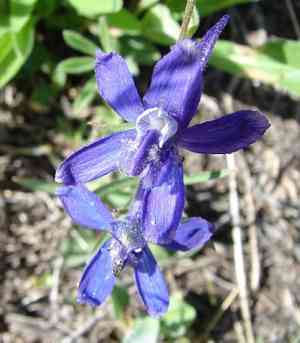
Anderson's larkspur flourishes when relocated from the beginning to the end of spring, benefiting from ideal growth circumstances. Select a site offering ample sunlight to partial shade and soil that drains effectively. Confirm the soil is damp yet not saturated for proper rooting.
Essential Preparations Before Relocating Anderson's Larkspur
Optimal Timing for Anderson's Larkspur Relocation?
Moving anderson's larkspur during early to late spring guarantees prime development as the ground warms and roots establish prior to peak summer heat. This period fosters strong root growth and improved water uptake, leading to more robust and vibrant plants throughout the growing season. Ensure all preliminary tasks, such as soil enrichment and hydration, are thoroughly completed.
Recommended Spacing Between Anderson's Larkspur Plants?
When relocating anderson's larkspur, ensure each plant is positioned 18-24 inches (45-60 cm) apart. This spacing provides ample room for anderson's larkspur to grow and flourish without becoming overcrowded.
Best Soil Blend for Anderson's Larkspur Relocation?
Prepare well-draining soil enriched with organic material for anderson's larkspur. A light foundational fertilizer suitable for perennials, incorporated into the top 6-8 inches (15-20 cm), will help your plant acclimate comfortably.
Ideal New Location for Your Anderson's Larkspur?
Select a sunny spot for anderson's larkspur, as it thrives best in full sunlight. Ensure the chosen site receives at least 6-8 hours of daily sun exposure.
Equipment Needed Before Relocating Anderson's Larkspur?
Gardening Gloves
To safeguard your hands while handling soil and plants.
Shovel or Spade
For excavating a hole and extracting the plant from its original spot.
Trowel
For smaller, more precise digging tasks.
Watering Can or Hose
To hydrate the plant before and after its relocation.
Wheelbarrow
To move the plant, especially if it is large.
Stakes and String
For providing support to the plant if it is tall or leggy.
How to Extract Anderson's Larkspur from the Ground?
How to Extract Anderson's Larkspur from the Ground?
From Ground: First, moisten the anderson's larkspur plant to dampen the soil. Then, dig a wide trench around the plant using a shovel or spade, ensuring the plant's root ball remains intact. Carefully work the spade beneath the root ball to lift the plant from its original position.From Pot: Thoroughly water the anderson's larkspur plant to loosen the soil. Gently tap the pot's sides to help release the plant. If necessary, run a trowel around the edges to loosen the root ball. Carefully lift the plant out, supporting both the plant and its root ball.From Seedling Tray: Water the anderson's larkspur seedlings in the tray to facilitate removal. Use a trowel or your fingers to gently lift each seedling from below, ensuring you retrieve the entire root system. Handle the seedlings by their leaves to avoid damaging the delicate stems.
Detailed Steps for Relocating Anderson's Larkspur
Prepare the New Site
Choose a sunnier location with well-drained soil. Dig a hole that is twice as wide and the same depth as the root ball of your anderson's larkspur plant.
Hydrate the Plant
Before moving the anderson's larkspur plant, water it thoroughly. This makes removal easier and helps reduce transplant shock.
Position the Plant
Place the anderson's larkspur plant in the center of the new hole, ensuring it sits at the same depth it was growing previously.
Backfill the Hole
Refill the hole with the excavated soil, gently firming it around the roots to eliminate air pockets.
Re-water
Once the anderson's larkspur plant is in its new location, water it again thoroughly to settle the soil around the roots.
Apply Mulch
Add a layer of organic mulch around the base of the anderson's larkspur plant to help retain moisture and suppress weeds.
Post-Relocation Care for Anderson's Larkspur
Watering
Keep the soil around the anderson's larkspur consistently moist, but not waterlogged, for the initial weeks after relocation to aid in strong root establishment.
Monitoring
Inspect the anderson's larkspur plant daily for the first week, then weekly, for signs of stress or pests.
Support
Utilize stakes or supports if the anderson's larkspur plant is tall to prevent it from toppling over.
Pruning
Trim any damaged leaves or stems to help the plant prioritize root development.
Addressing Common Issues with Anderson's Larkspur Relocation.
When is the best time to relocate anderson's larkspur?
Relocate anderson's larkspur in early to late spring for optimal growth and establishment.
How far apart should anderson's larkspur be spaced?
Space anderson's larkspur 18-24 inches (46-61 cm) apart to ensure healthy growth.
How do I prepare the soil for anderson's larkspur?
Ensure well-draining soil rich in organic matter for anderson's larkspur to thrive.
What is the ideal planting depth for anderson's larkspur?
Plant anderson's larkspur at the same depth it was growing in its pot.
How should I water anderson's larkspur after relocating?
Water thoroughly after relocating and keep the soil consistently moist, not waterlogged.
How can I reduce relocation shock for anderson's larkspur?
Relocate anderson's larkspur on a cloudy day or late afternoon to minimize transplant shock.
Should I fertilize anderson's larkspur after relocating?
Wait a few weeks after relocating anderson's larkspur before applying a balanced fertilizer.
How can I protect anderson's larkspur from pests post-relocation?
Inspect anderson's larkspur regularly and use organic pest controls if necessary to keep pests at bay.
What kind of light does anderson's larkspur need after relocating?
Place anderson's larkspur in a location with full sun to partial shade for best results.
Can I relocate anderson's larkspur during hot weather?
Avoid relocating anderson's larkspur during hot weather to prevent stress and poor establishment.



