How to Prune Anderson's larkspur?
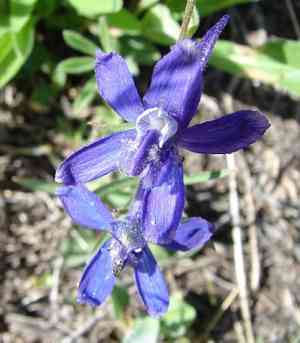
Delphinium andersonii, characterized by its lofty, vivid flower stalks, thrives with trimming performed in late winter or early spring to foster vigorous development. Initially, eliminate any deceased or compromised stems, then snip off faded flower spikes after blooming to stimulate a subsequent flush of flowers. This practice also aids in averting fungal infections and facilitates improved air movement. Consistent trimming contributes to a sturdy framework, guaranteeing the plant's extended lifespan and heightened visual attractiveness.
What Are the Benefits of Pruning Anderson's Larkspur?
What Are the Benefits of Pruning Anderson's Larkspur?
Trimming anderson's larkspur encourages robust development and helps maintain its form. Consistent trimming boosts blooming, manages size, enhances overall look, and aids in pest and disease resistance, leading to a healthier and more attractive plant.
What Is the Best Time for Pruning Anderson's Larkspur?
What Is the Best Time for Pruning Anderson's Larkspur?
Pruning or trimming anderson's larkspur during early spring and late winter is advisable as these periods align with the plant's dormant phase. Pruning at these times helps prepare anderson's larkspur for vigorous growth in the upcoming season. Additionally, trimming during dormancy minimizes plant stress, reduces the risk of disease and pest infestation, and ensures the plant's energy is directed towards healthy new growth and abundant flowering once the growing season commences.
What Tools Do I Need to Prune Anderson's Larkspur?
Hand Pruners
Essential for precise cuts on smaller stems and to prevent plant damage. Ideal for removing spent flowers and shaping.
Garden Scissors
Useful for delicate trimming and deadheading without harming new growth. They offer greater control for detailed tasks.
Bypass Pruners
Similar to hand pruners but with a more efficient cutting mechanism to ensure clean cuts through thin branches or stems without crushing them.
How to Prune Anderson's Larkspur
Inspect
Carefully examine anderson's larkspur for any indications of diseased or withered foliage, ensuring a thorough assessment of the entire plant, from top to bottom.
Sanitize Tools
Before beginning, disinfect pruning shears or scissors to prevent the spread of pathogens. This can be achieved using a solution of one part bleach to nine parts water.
Remove Diseased Leaves
Using the sanitized tools, cut off any leaves showing signs of illness. Ensure you cut back to healthy tissue, and dispose of the removed leaves away from the garden area to prevent further contamination.
Eliminate Withered Leaves
Trim any withered or dead leaves. Cut them off at the base where they meet the stem, ensuring you do not harm surrounding healthy tissue.
Dispose Safely
Collect all pruned leaves (both diseased and withered) and dispose of them properly. Avoid composting these parts as they may harbor disease, opting instead to discard them securely.
Common Pruning Mistakes with Anderson's Larkspur
Incorrect Timing
Pruning at the wrong time of year can hinder growth and flowering. Although the best season for pruning has been mentioned, make sure to avoid unexpected severe weather conditions that could harm the pruned plant.
Over-Pruning
Removing too much foliage can weaken anderson's larkspur, causing stress and reducing its overall vigor.
Improper Cutting Techniques
Using dull or unclean tools can cause jagged cuts, which can lead to infection and damage to anderson's larkspur.
Ignoring Dead or Diseased Parts
Failing to remove dead or diseased parts can lead to the spread of disease and inhibit the plant’s healthy growth.
Pruning at the Wrong Angle
Cutting branches at inappropriate angles can cause water to collect on the cut surface, leading to rot and infection.
Common Pruning Tips for Anderson's Larkspur
Use Clean, Sharp Tools
Always use sterilized and sharp pruning shears to make clean cuts and minimize the risk of introducing diseases.
Prune Wisely
Remove only up to one-third of the plant at a time to avoid stress. Focus on removing dead, damaged, or diseased stems first.
Cut at the Correct Angle
Make cuts at a 45-degree angle, sloping away from the bud or main stem, to ensure water does not sit on the cut surface.
Regular Maintenance
Perform light pruning regularly to maintain shape and encourage new growth, but avoid extensive pruning which could stress the plant.
Inspect Frequently
Regularly check anderson's larkspur for signs of disease or damage and remove affected parts promptly to prevent further issues.



