How to Transplant Texas Sotol?
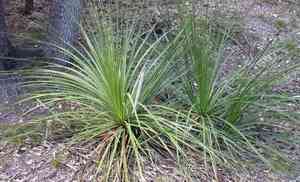
The optimal period for transplanting texas Sotol is from late spring through early summer, facilitating strong root development. Select locations with good drainage, ideally receiving ample sunlight, and allow sufficient room for expansion.
What Preparations are Needed Before Transplanting Texas Sotol?
What is the Ideal Time for Transplanting Texas Sotol?
The optimal period for relocating texas Sotol is from late spring to early summer. This timeframe provides moderate temperatures and prime growing conditions for texas Sotol, facilitating its adjustment and establishment. Moving texas Sotol during this season encourages robust root development before summer heat, maximizing success and ensuring a flourishing plant. A friendly reminder: ensuring your texas Sotol is well-rooted before summer can lead to a lush, healthier plant.
How Much Space Should You Leave Between Texas Sotol Plants?
When planting texas Sotol, ensure each specimen has ample room to expand and develop. A spacing of approximately 4-6 feet (1.2-1.8 meters) between plants is optimal. This will allow them to thrive without excessive crowding.
What is the Best Soil Mix for Texas Sotol Transplanting?
For a thriving texas Sotol, prepare your soil with a blend of sand and loam, incorporating a slow-release base fertilizer. This combination will ensure proper drainage and essential nutrients. Remember, texas Sotol prefers well-draining soil!
Where Should You Relocate Your Texas Sotol?
Regarding placement, texas Sotol flourishes in full sun, so consider a location that receives ample sunlight throughout the day. If full sun isn't feasible, partial day sun will also suffice. Enjoy your gardening endeavor!
What Equipments Should You Prepare Before Transplantation Texas Sotol?
Gardening Gloves
To safeguard your hands while handling soil and the texas Sotol plant.
Shovel or Spade
For excavating holes and extracting the plant from its original spot while preserving the root ball.
Wheelbarrow
Useful for transporting larger texas Sotol plants and soil.
Hand Trowel
Required for detailed work around the plant's root system.
Watering Can or Hose
To hydrate the soil before and after relocating the texas Sotol.
Mulch
Helps maintain soil moisture and inhibit weed growth post-transplant.
How Do You Remove Texas Sotol from the Soil?
How Do You Remove Texas Sotol from the Soil?
From Ground: First, hydrate the texas Sotol plant to moisten the soil. Next, excavate a wide trench around the texas Sotol using a shovel or spade, ensuring the texas Sotol's root ball remains intact. Carefully maneuver the spade beneath the root ball to lift the texas Sotol from its initial position.From Pot: Water the texas Sotol in its container before beginning. Turn the pot on its side, gently grasp the texas Sotol at its base, and carefully ease it out. If it's stuck, tap the pot's edges to loosen the soil and facilitate removal.From Seedling Tray: Water the tray, then gently push the texas Sotol seedling from the bottom of the tray cell, supporting the seedling to prevent damage.
Step-by-Step Guide for Transplanting Texas Sotol
Prepare the New Site
Dig a hole that is sufficiently deep and wide to comfortably accommodate the texas Sotol's root ball. If the soil is very dry, fill the hole with water and allow it to drain before planting.
Transplant
Carefully position the texas Sotol plant in the hole at the same depth it was growing in its previous location. Backfill the hole with soil, gently firming it around the root ball.
Water Immediately
After transplanting, water the texas Sotol promptly to settle the soil and eliminate any air pockets surrounding the roots.
Mulch Application
Apply a layer of mulch around the plant's base to help retain moisture.
How Do You Care For Texas Sotol After Transplanting?
Watering
Ensure the texas Sotol receives thorough watering at least once weekly to encourage robust root development.
Protection
Consider shielding your newly transplanted texas Sotol from harsh weather conditions like frost or intense sun while it's establishing.
Checking
Regularly observe the texas Sotol, especially during the initial weeks post-transplant. Look for wilting leaves or other indicators of stress.
Troubleshooting Common Issues with Texas Sotol Transplantation.
What's the best time to transplant texas Sotol?
The ideal period for relocating texas Sotol is during the cooler seasons (autumn or winter). This allows these plants to settle before the onset of spring growth.
How should I space texas Sotol when transplanting?
Aim to position texas Sotol approximately 4-6 feet (1.2-1.8 meters) apart. This distance ensures each plant has adequate room to spread and grow healthily.
Why is my transplanted texas Sotol looking wilted?
Texas Sotol can experience transplant shock, which leads to wilting. Water the plant thoroughly after transplanting and maintain consistent soil moisture as it establishes.
Do I need to prune texas Sotol before transplanting?
Pruning before transplanting is not essential for texas Sotol. However, removing damaged or diseased parts can help the plant direct its energy towards new growth.
What type of soil is ideal for transplanting texas Sotol?
Texas Sotol thrives in well-draining soil. Incorporate organic material into the transplant hole if the existing soil is heavy clay or excessively sandy.
How deep should the transplant hole be for texas Sotol?
The hole's depth should be twice the size of the root ball, ensuring the texas Sotol's roots can spread comfortably and establish quickly.
What if my newly transplanted texas Sotol isn't showing new growth?
Remember, texas Sotol dedicates the initial weeks to root establishment. Patience is crucial! If conditions are favorable, new growth will emerge in due course.
What kind of water and sun exposure does a newly transplanted texas Sotol need?
Texas Sotol prefers full sun and requires moderate watering after transplanting. Over time, these resilient plants become very drought-resistant once established.
How long does it take for texas Sotol to get established after transplanting?
Each plant varies, but generally, texas Sotol takes approximately a few weeks to a couple of months to become fully established after transplanting.
Can I use fertilizer immediately after transplanting texas Sotol?
It's best to wait 4-6 weeks before feeding texas Sotol with a balanced, slow-release fertilizer. Allow the plant to prioritize root establishment first!



