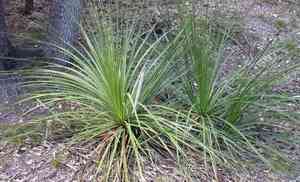
Texas Sotol (Dasylirion texanum)
Also known as: Sotol, Common Sotol
For a touch of the American Southwest in your garden, consider adding the Texas Sotol (Dasylirion texanum). This hardy succulent thrives with minimal care and looks great in both indoor and outdoor containers. Be cautious, though, as it has very sharp spines. Native to western North America, Texas Sotol is a striking addition to any garden.
In This Article
Attributes of Texas Sotol
Lifespan
Perennial
Plant Type
Shrub
Plant Height
4.5 m
Spread
1.2 m to 1.8 m
Leaf Color
Green or bluish-green
Flower Size
2.5 cm
Flower Color
Yellow Green
Images of Texas Sotol
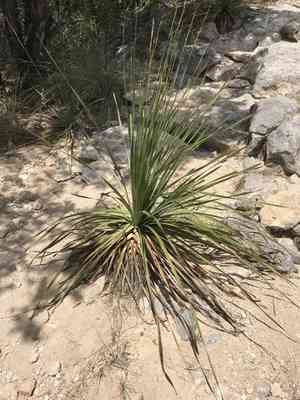
Quickly Identify Texas Sotol
1
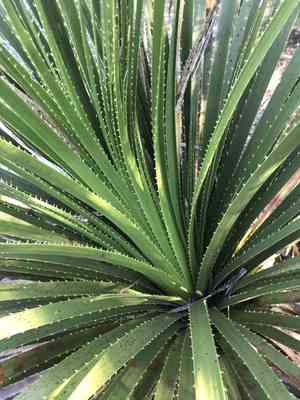
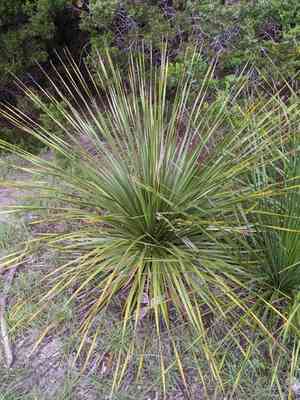
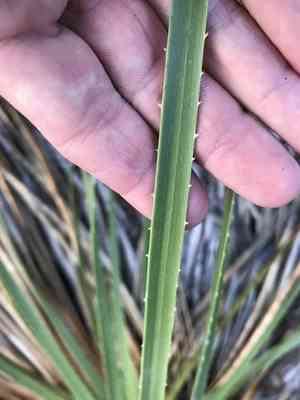
Texas Sotol has long, narrow leaves with toothed edges and ends in a sharp spine. The leaves are arranged in a dense rosette pattern. The plant produces a tall, flowering stalk with small, white to cream-colored flowers.
Scientific Classification of Texas Sotol
Phylum
Vascular plants
Class
Monocotyledons
Order
Asparagales
Family
Asparagus
Genus
Sotols
Species
Texas Sotol
Planting and Growing of Texas Sotol
Care Difficulty
Easy
Watering Schedule
Every 2 days
Sunlight Requirements
Full sun
Sunshine Duration
4-8 hours
Ideal Temperature
70-85℉
Soil Type
Potting Mix, Peat Mix
Soil pH
6.5-7.5
Fertilizer Type
Balanced
Pruning Season
Spring, Summer
Pruning Area
Branches, Leaves
Pruning Frequency
2 times a year
Repotting Season
Spring
Pot Type
Plastic, Ceramic
 How to Water Texas Sotol?
Dasylirion texanum, native to arid regions, requires moderate watering. Each watering session should use about 500 ml, just enough to moisten the soil without leaving it soggy. Ensure the top inch of soil is dry between waterings.
What are the symptoms of an underwatered Texas Sotol?
›
What should I do if my Texas Sotol is not getting enough water?
›
What are the symptoms of an overwatered Texas Sotol?
›
How to save an overwatered Texas Sotol?
›
 What Are the Sunlight Requirements for Texas Sotol?
Half-day to full-day sunlight is optimal for Dasylirion texanum, allowing it to photosynthesize efficiently and maintain healthy growth.
More About Sunlight Requirements Techniques→
What is the best location?
›
How to adjust for seasonal changes?
›
What benefits does ideal lighting yield?
›
 What Is the Ideal Temperature Range for Texas Sotol?
The ideal temperature range for Dasylirion texanum is between 70°F and 85°F. This range allows for optimal metabolic activity and ensures healthy growth. Staying within these temperatures helps the plant maintain its vigor and resilience against diseases.
 What Soil is Best for Texas Sotol?
Dasylirion texanum thrives best in well-drained soils, which help to prevent root rot by ensuring excess water can easily drain away. This is particularly beneficial for plants native to arid regions, as it helps simulate their natural environment. This plant is adapted to nutrient-poor soils and doesn't require rich, fertile grounds to flourish. By ensuring the soil remains low in nutrients, you mimic its natural habitat, reducing the risk of over-fertilization, which can harm the plant. Dasylirion texanum can tolerate a slightly alkaline pH, which supports optimal nutrient absorption and mimics the calcareous soils found in its native range. Maintaining this pH level helps promote vibrant growth and development.
 How to Fertilize Texas Sotol?
For Dasylirion texanum, use a balanced liquid fertilizer diluted to half strength. For each application, apply about one cup per plant, ensuring the soil is moist beforehand.
 How to Prune Texas Sotol?
Begin by wearing gloves to protect your hands from the sharp leaves. Use sharp, clean pruning shears to carefully remove any dead or damaged leaves from the base of the plant. Trim the leaves at the bottom while ensuring you maintain the plant's architectural silhouette. Be cautious not to damage the central growing point.
More About Pruning Techniques→
 How to Propagate Texas Sotol plant?
1
Gather seeds from mature Dasylirion texanum plants once the flowering spike has dried. Ensure the seeds are fully mature by waiting until the pods change color, generally to a tan or brown shade. It's crucial to collect the seeds before they disperse naturally.
2
Select healthy stems from the plant, ideally those that have a uniform green color without signs of disease or pests. Cut near the base using a sterilized tool to minimize bacterial or fungal infections. Apply rooting hormone to the cut end to stimulate root formation.
3
Carefully dig up the established plant, attempting to disturb the roots as little as possible. Gently separate the clumps by pulling them apart, ensuring that each division has a healthy portion of root structure attached. Replant promptly to ensure the least amount of stress.
 How to Repot Texas Sotol plant?
1
Spotting the right time to repot your Dasylirion texanum involves checking for several key signals. If you notice roots growing out of the drainage holes or a visibly compacted root ball, it's an indication your plant needs a larger home. Additionally, if the plant appears top-heavy or its growth has visibly slowed, it is definitely time for a fresh start.
2
Choose a pot with excellent drainage that is slightly larger than the current container. A shallow, wide container works best, allowing space for root expansion while preventing waterlogging. Terra cotta is a good choice as it aids in moisture evaporation, reducing the risk of root rot.
3
Opt for a well-draining gritty soil mix such as cactus or succulent potting soil. This ensures excess water won't soak into the roots, preventing rot. Incorporating materials like perlite or coarse sand can help improve drainage, creating ideal growing conditions for your Dasylirion texanum.



