Enhancing Your Garden Design with the Texas Sotol Plant: A Landscaping Guide
1
Adding Texas Sotol to your outdoor space introduces a distinct, architectural feature to the layout.
2
Texas Sotol withstands dry conditions well, making it a perfect choice for eco-friendly garden designs.
3
Correct positioning of Texas Sotol guarantees its flourishing growth and preserves its characteristic appeal.
Introducing Texas Sotol for Landscaping
Grasping the visual impact of Texas Sotol in garden design.
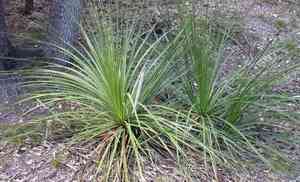
A key feature of Texas Sotol is its distinct and impressive look. The plant displays long, slender foliage that extends from a central point, forming a rosette that can bring architectural flair to any outdoor space. It complements various other plants, both in texture and size, making it a flexible option for diverse garden styles. When planning your landscape, think about using Texas Sotol as a central feature or accent plant. Its bold, sculptural shape can attract attention and balance softer, more delicate plantings.
Texas Sotol's contribution to sustainable landscaping efforts.
Sustainable landscaping is a growing trend among gardeners and homeowners aiming to reduce water use and create eco-friendly gardens. Texas Sotol is particularly well-suited for this type of gardening due to its ability to withstand drought. Once established, Texas Sotol needs minimal water, making it an excellent choice for xeriscaping or low-water gardens. Furthermore, its robust nature means it requires little upkeep, lessening the need for chemical fertilizers and pesticides. Incorporating Texas Sotol into your garden can not only boost its beauty but also support a more sustainable and environmentally conscious setting.
Selecting the Optimal Site for Texas Sotol
Factors to consider when choosing an ideal spot.
When deciding where to place Texas Sotol, it's crucial to consider several elements to ensure its prosperity. Begin by evaluating your landscape's size and the mature dimensions of Texas Sotol to guarantee ample room for growth without crowding other plants. Soil composition is another vital factor; Texas Sotol prefers well-draining soil and may struggle in areas with heavy clay or poor drainage. Finally, consider the plant's role in your overall design â as a centerpiece, part of a border, or within a rock garden â to pick the most visually effective location.
How sun exposure and drainage influence Texas Sotol's development.
Texas Sotol thrives best in full sunlight, though it can endure partial shade. Ensuring your plant receives sufficient sunlight is crucial for its growth and overall vitality. In addition to light, proper soil drainage is essential. Inadequate drainage can lead to root rot and other problems that can harm Texas Sotol. To enhance drainage, consider planting Texas Sotol in raised beds or amending heavy soils with sand or gravel to ensure excess water can move away from the roots. Correct site selection and soil preparation can help guarantee the long-term success of Texas Sotol in your landscape.
Integrating Texas Sotol with Other Landscape Elements
Achieving a balanced design with Texas Sotol and other flora.
Creating a harmonious and unified landscape design involves careful plant selection and placement. Texas Sotol can play a significant role in achieving this balance. Pair it with plants that have contrasting textures, such as sprawling groundcovers or delicate flowering species, to create visual interest. Additionally, consider the color scheme; Texas Sotol's green hues can complement a wide range of colors, from vibrant blossoms to more subdued, earthy tones. Grouping Texas Sotol with other drought-tolerant plants, such as succulents and ornamental grasses, can create a cohesive and low-maintenance garden.
Concepts for combining Texas Sotol with hardscaping components.
Incorporating hardscaping elements, such as rocks, pebbles, and garden sculptures, can further enhance the visual appeal of Texas Sotol in your landscape. The structural form of Texas Sotol pairs beautifully with natural stone and gravel, offering a contrast in texture that can highlight its unique shape. Consider using Texas Sotol alongside pathways or in rock gardens to add dimension and interest. Additionally, combining Texas Sotol with water features like ponds or dry riverbeds can create a striking and tranquil landscape that seamlessly blends plant and stone elements.
Maintenance Advice for Texas Sotol in Landscapes
Basic care to preserve Texas Sotol's aesthetic appeal.
Maintaining the visual appeal of Texas Sotol is quite simple due to its resilient nature. Regular trimming of dead or damaged leaves can help keep the plant looking its best and prevent any potential disease issues. Ensure that the area around the plant remains free of weeds to reduce competition for nutrients and water. Additionally, while Texas Sotol is drought-tolerant, occasional deep watering during extended dry periods can help keep it healthy and vibrant. Consistent monitoring and basic care can ensure that Texas Sotol remains a stunning focal point in your landscape.
Seasonal care recommendations specific to landscape environments.
Texas Sotol requires minimal seasonal care, but a few specific actions can help it flourish year-round. In the spring, check for any winter damage and prune back dead or damaged leaves. Mulching around the base can help retain moisture and suppress weeds during the hotter months. While Texas Sotol is very resilient, consider providing some protection if severe frost is anticipated, as extreme cold can cause damage. By following these simple seasonal care tips, you can ensure that Texas Sotol remains healthy and continues to enhance your landscape through the changing seasons.



