How Much Sunlight Do Texas Sotol Need?
1
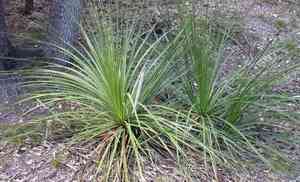
Texas Sotol flourishes most effectively with ample sunlight, generally needing more than 6 hours of direct sun each day.
2
Although Texas Sotol can endure some shade, its growth will be suboptimal without adequate illumination.
3
Monitoring the hue of its leaves and its development can indicate if your Texas Sotol is getting appropriate sun exposure.
Optimal Sunlight Requirements for Texas Sotol
Best Light Exposure
For Texas Sotol, ensuring proper sunlight is crucial for its health and strength. This plant thrives in full sun, needing over 6 hours of direct sunlight daily. Full sun helps it develop its unique form and resilience. While it can endure some shade, it performs best in areas with abundant direct light throughout the day.
Seasonal Light Changes
Texas Sotol's light needs can shift with the seasons. In summer, the plant tolerates intense sun due to its drought resistance. However, during winter, with less intense and shorter daylight, it might receive less than ideal light. To ensure year-round sun, consider its placement in your garden, accounting for the sun's changing angle.
Grasping Full Sun Requirements
Direct vs. Diffused Light
For Texas Sotol, the difference between direct and indirect sunlight is vital. Direct sunlight, where rays hit the plant unimpeded, is preferred as it provides essential energy for strong growth. Conversely, indirect light, like through a window curtain or shaded spot, won't offer the same benefits. Therefore, placing your Texas Sotol in an unblocked area is key for direct sun exposure.
Advantages of Full Sun for Texas Sotol
Full sunlight provides several benefits for Texas Sotol. First, it boosts photosynthesis, giving the plant ample energy for growth. Second, full sun helps maintain the plant's natural shape and texture, leading to a more attractive look. Lastly, proper sun exposure aids in developing strong, healthy roots and foliage, supporting the plant's overall durability and lifespan.
Common Issues from Incorrect Sunlight
Signs of Excessive Sun
Though Texas Sotol loves sun, it can suffer from too much exposure in extreme conditions. Signs of overexposure include scorched or yellowing leaves, indicating sunburn. Additionally, if the plant wilts or shows significant changes in appearance, these are further signs it might be getting too much sun and could benefit from shade during the hottest parts of the day.
Signs of Insufficient Light
Inadequate sunlight can be equally problematic for Texas Sotol. Symptoms of insufficient light include pale or faded leaves, leggy growth as the plant stretches for light, and a general lack of vigor. The plant may appear weak and lose its structural integrity. If these signs appear, consider moving your Texas Sotol to a brighter location.
Optimal Locations for Growing Texas Sotol
Outdoor Cultivation
Planting Texas Sotol outdoors in a spot with ample sunlight is ideal for its development. Choose a garden or landscape area that receives sun for most of the day. Well-draining soil is also essential to prevent waterlogging, which can harm the roots. Raised beds or rock gardens are excellent choices for ensuring both sunlight and proper drainage.
Indoor Growing
While typically an outdoor plant, Texas Sotol can be grown indoors with adequate care. Position it near a south-facing window for maximum sunlight. Indoor lighting can be supplemented with grow lights to mimic natural conditions, especially in winter or less sunny indoor environments. Remember to rotate the plant regularly for even sun exposure on all sides.



