How to Transplant Slimspike prairie clover?
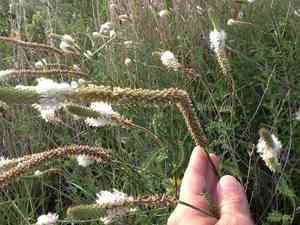
Slimspike prairie clover flourishes when relocated between early and late spring, as this timeframe facilitates superior root development. Select a bright, well-draining site to foster its expansion. Guarantee minimal disruption to the roots and provide sufficient hydration after transplanting for optimal outcomes.
Essential Preparations Before Relocating Slimspike Prairie Clover?
Optimal Timing for Moving Slimspike Prairie Clover?
Slimspike prairie clover, a perennial, achieves peak transplant success from the beginning to the end of spring. This timeframe provides suitable temperatures and ground conditions, fostering robust root growth. Moving it during this window also aligns with its natural development cycle, reducing stress and maximizing establishment.
Recommended Spacing Between Slimspike Prairie Clover Plants?
When relocating slimspike prairie clover, ensure each plant is positioned 18-24 inches (45-60 cm) apart. This will provide ample room for them to develop and flourish without overcrowding.
Ideal Soil Blend for Slimspike Prairie Clover Relocation?
Prepare sandy or loamy soil with good drainage for slimspike prairie clover. Before planting, incorporate a balanced base fertilizer to enrich the soil, ensuring the plants have a strong start in their new environment.
Choosing a New Location for Your Slimspike Prairie Clover?
Select a sunny spot for slimspike prairie clover. These plants thrive in full sunlight, so confirm they receive at least 6-8 hours of direct sun exposure daily.
Necessary Equipment for Slimspike Prairie Clover Transplantation?
Gardening Gloves
To safeguard your hands while handling soil and plants.
Shovel or Spade
For excavating the plant and preparing the new planting site.
Trowel
Used for more precise digging tasks and managing the root ball.
Watering Can or Hose
To hydrate the plant before and after its relocation.
Pruners
For trimming any damaged or lifeless roots.
Burlap or Plastic Sheeting
To safely transport the plant.
How to Extract Slimspike Prairie Clover from its Current Location?
How to Extract Slimspike Prairie Clover from its Current Location?
From Ground: First, moisten the slimspike prairie clover plant to dampen the soil. Next, dig a wide trench around the plant using a shovel or spade, ensuring the plant's root ball remains intact. Carefully work the spade beneath the root ball to lift the plant from its original spot.From Pot: Thoroughly water the slimspike prairie clover plant. Gently turn the pot on its side and tap the edges to loosen the soil. Carefully slide the plant out, making sure to support the root ball.From Seedling Tray: Lightly water the slimspike prairie clover seedlings. Use a trowel or your fingers to gently lift each seedling from the tray, ensuring to take as much of the root system as possible.
Detailed Guide for Relocating Slimspike Prairie Clover
Site Preparation
Prepare the new planting area by removing any weeds and debris. Dig a hole that is twice the width and the same depth as the slimspike prairie clover plant's root ball.
Soil Preparation
Ensure the soil is well-loosened and aerated to facilitate easy root penetration.
Transplanting the Plant
Place the slimspike prairie clover plant in the prepared hole, positioning it at the same depth as it was in its previous location. Gently backfill the hole with soil, pressing lightly to remove air pockets.
Post-Planting Watering
Thoroughly water the slimspike prairie clover plant to help settle the soil around its roots. Ensure the water penetrates deeply to encourage robust root growth.
Mulching
Apply a layer of mulch around the base of the slimspike prairie clover plant to retain moisture and stabilize soil temperature.
Post-Transplant Care for Slimspike Prairie Clover?
Watering
Keep the soil around the slimspike prairie clover consistently moist, but not waterlogged, for the initial weeks after transplanting to aid in root establishment.
Monitoring
Regularly inspect the slimspike prairie clover plant for indications of transplant shock, such as wilting or yellowing leaves. Provide shade if the plant appears stressed.
Pruning
Trim any dead or damaged foliage to encourage new growth and lessen stress on the plant.
Support
If needed, provide stakes or other supports to help stabilize the slimspike prairie clover plant as it adapts to its new environment.
Resolving Common Issues During Slimspike Prairie Clover Transplantation.
When is the best time to transplant slimspike prairie clover?
The optimal period to transplant slimspike prairie clover is from early spring to late spring.
How should I space slimspike prairie clover when transplanting?
Space slimspike prairie clover approximately 18-24 inches (45-60 cm) apart to ensure adequate growth.
What soil conditions are best for transplanting slimspike prairie clover?
Slimspike prairie clover thrives in well-drained soil with a neutral to slightly alkaline pH for optimal growth.
How much sunlight does slimspike prairie clover need after transplanting?
Slimspike prairie clover flourishes in full sun, so ensure it receives at least 6 hours of direct sunlight daily.
Should I water slimspike prairie clover immediately after transplanting?
Yes, water slimspike prairie clover thoroughly after transplanting to help establish the roots in their new location.
Any tips to prevent transplant shock in slimspike prairie clover?
To avoid transplant shock, water slimspike prairie clover regularly and minimize root disturbance during transplanting.
Do I need to fertilize slimspike prairie clover after transplanting?
Generally, slimspike prairie clover doesn't require much fertilizer, but you can use a balanced fertilizer if the soil is poor.
How deep should I plant slimspike prairie clover when transplanting?
Plant slimspike prairie clover at the same depth it was growing previously to avoid stress.
Should I prune slimspike prairie clover before transplanting?
Lightly prune slimspike prairie clover to remove damaged or dead parts, which can help redirect energy to new root development.
How can I protect slimspike prairie clover from pests after transplanting?
Regularly inspect slimspike prairie clover for pests and use organic insecticides or natural predators to keep them in check.



