How to Prune Slimspike prairie clover?
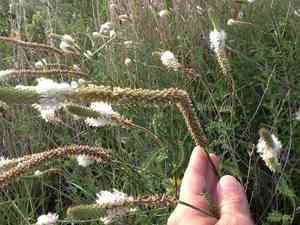
Valued for its prominent terminal floral spikes, slimspike prairie clover flourishes with regular trimming. The best periods for cutting back are from late winter to early spring, right before fresh shoots emerge. Start by eliminating any deceased or compromised stalks to foster vigorous growth. Perform light shaping as required, which improves air movement and lowers the chance of illness. This method encourages abundant blooms and preserves the plant's inherent structure, boosting its general beauty and strength.
What Are the Benefits of Pruning Slimspike Prairie Clover?
What Are the Benefits of Pruning Slimspike Prairie Clover?
Trimming slimspike prairie clover encourages robust growth and helps maintain its form. By eliminating dead or overgrown branches, you enhance air circulation and light exposure, improving overall health and appearance. Furthermore, pruning can decrease vulnerability to pests and diseases.
What Is the Best Time for Pruning Slimspike Prairie Clover?
What Is the Best Time for Pruning Slimspike Prairie Clover?
Pruning slimspike prairie clover from late winter to early spring is optimal as it aligns with the plant's dormant phase. This timing minimizes stress on slimspike prairie clover, fosters healthy development, and prepares it for the flowering season. Pruning before active growth starts helps remove any dead or damaged wood without impeding the plant's life cycle.
What Tools Do I Need to Prune Slimspike Prairie Clover?
Pruning Shears
Crucial for making clean cuts on smaller branches and stems, typically up to ¾ inch in diameter. These assist in maintaining the plant's shape and encouraging healthy development.
Bypass Pruners
Designed for precise cutting, perfect for living branches that need a clean cut to facilitate quick healing. Best suited for general upkeep.
Loppers
Useful for cutting thicker stems and branches too large for pruning shears. They offer greater leverage, simplifying trimming without harming the plant.
Hand Pruning Saw
Essential for cutting through larger, woody stems and branches that loppers cannot manage. These saws are made to create clean, smooth cuts, reducing the chance of tearing plant tissue.
Gloves
Important for protecting hands from thorns, sharp branches, and sap, ensuring safe and comfortable pruning sessions.
How to Prune Slimspike Prairie Clover
Assess
Examine slimspike prairie clover to identify any diseased or withered leaves that need trimming.
Equipment
Choose sharp, sanitized pruning shears to prevent the spread of illness.
Remove Diseased Leaves
Carefully cut away any diseased leaves, ensuring you trim at least an inch below the affected area to minimize the risk of spreading pathogens.
Remove Withered Leaves
Trim withered leaves close to the plant's base, making clean cuts to promote healthy regrowth.
Disposal
Properly dispose of all removed material by burning or placing it in sealed bags to prevent potential contamination of the soil or other plants.
Common Pruning Mistakes with Slimspike Prairie Clover
Improper Technique
A frequent error is using dull or dirty pruning tools. This can harm plant tissue and introduce diseases. Always use clean, sharp pruners for clean cuts.
Over-Pruning
Beginner gardeners often remove too much of the plant at once, which can stress it and reduce flowering. Excessive pruning can also lead to a decrease in the overall vigor and health of slimspike prairie clover.
Incorrect Cutting Position
Pruning too far from a bud or stem can leave stubs that may die back and become entry points for diseases and pests. It's crucial to prune just above a bud, leaving a clean, short stump.
Pruning at the Wrong Growth Stage
Cutting back slimspike prairie clover during its active growth, rather than when it's dormant, can result in poor recovery and reduced flowering.
Common Pruning Tips for Slimspike Prairie Clover
Sanitize Tools
Ensure pruning shears and other tools are clean and properly sterilized. This minimizes the risk of spreading pathogens to slimspike prairie clover.
Properly Identify Growth Points
Look for healthy buds or stems when making cuts. Always prune just above a bud or lateral branch to promote healthy new growth.
Moderation
Remove no more than one-third of the plant's total growth at a time. This helps maintain the plant's natural shape and ensures it can recover easily.
Shape and Airflow
Focus on removing any dead, damaged, or diseased branches. Additionally, thinning out crowded areas can improve air circulation and sunlight penetration, which helps reduce disease risk and encourages more abundant blooms.



