How to Propagate Slimspike prairie clover?
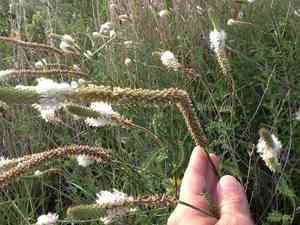
Dalea candida var. oligophylla, a herbaceous perennial indigenous to North America, is recognized for its delicate purple flower spikes. To multiply this plant, begin by planting its seeds. Submerge them in water for a full night to enhance sprouting. Position the seeds approximately 1/4 inch deep in soil that drains effectively, making sure they receive ample sunlight. Young plants typically emerge within several weeks. Employing a substrate that retains moisture yet allows for proper drainage fosters robust development. Consistent irrigation during the initial phases is vital.
Optimal Time for Slimspike Prairie Clover Propagation
Propagation Method
Seeding
Propagation Period
Spring
Tools for Slimspike Prairie Clover Propagation
Seed Trays
Utilized for germinating slimspike prairie clover seeds in a controlled setting. Their small sections aid in efficient space management and provide ideal germination conditions.
Sterilized Potting Mix
Ensures slimspike prairie clover seeds sprout in a pathogen-free environment, vital for preventing fungal issues and fostering robust seedling growth.
Humidity Domes
Maintains necessary moisture levels for slimspike prairie clover seeds, promoting quicker and more consistent germination by preventing soil desiccation.
Watering Can with Fine Rose
Delivers gentle irrigation to avoid disturbing slimspike prairie clover seeds or young seedlings, ensuring uniform moisture distribution.
Labeling Stakes
Used to mark sowing dates and slimspike prairie clover seed types, assisting in tracking growth and maintenance schedules.
Temperature Control Mat
Keeps soil temperature at an ideal level for slimspike prairie clover germination, crucial for consistent and timely sprouting.
Hand Trowel
Useful for precise seed placement in trays or pots, ensuring optimal depth and spacing for slimspike prairie clover seeds.
Propagating Slimspike Prairie Clover
Propagation Difficulty
Simple
Post-Propagation Care for Slimspike Prairie Clover
Post-Propagation Care for Slimspike Prairie Clover
After transplanting, ensure slimspike prairie clover gets full sun for best growth. Water regularly, but let the soil dry between waterings to prevent root rot. Apply mulch around the plant bases to retain moisture and control weeds. Fertilize sparingly with a balanced, slow-release product once established. Monitor for pests and diseases, addressing them promptly. Prune dead or damaged foliage to maintain plant health and appearance.
Common Errors in Slimspike Prairie Clover Propagation
Overwatering
Excessive moisture can lead to root rot and fungal diseases, severely stunting or killing slimspike prairie clover.
Improper Soil Choice
Using soil that holds too much water or lacks adequate drainage can impede root development and result in poor growth.
Insufficient Light
Placing slimspike prairie clover in shaded areas can lead to weak, elongated plants with poor flowering.
Neglecting Seed Stratification
Failure to stratify seeds can result in poor or uneven germination due to the plant's natural dormancy requirements.
Incorrect Spacing
Planting seeds or seedlings too close together can cause competition for resources, leading to weaker plants.
Tips for Propagating Slimspike Prairie Clover
Optimal Watering
Allow the soil to dry slightly between watering sessions to prevent root rot and encourage healthy growth.
Appropriate Soil
Use well-draining soil, such as a sandy or gravelly mix, to enhance root aeration and prevent waterlogging.
Adequate Sunlight
Ensure slimspike prairie clover receives full sun exposure for robust growth and optimal flowering.
Seed Stratification
Stratify seeds by storing them in a cool, moist environment for several weeks before planting to break dormancy and improve germination rates.
Proper Spacing
Space plants adequately to reduce competition for nutrients and light, promoting healthier and more vigorous growth.



