How to Transplant Roundhead prairie clover?
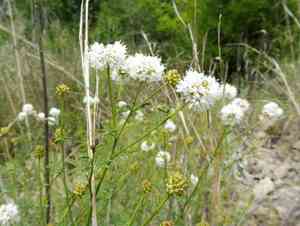
Roundhead prairie clover flourishes when relocated from early to late spring, enabling its root system to develop prior to the severe summer warmth. Select a bright spot with soil that drains effectively for peak development. Verify that the soil remains consistently damp, yet not oversaturated.
What Preparations are Needed Before Transplanting Roundhead Prairie Clover?
What is the Ideal Time for Transplanting Roundhead Prairie Clover?
The optimal period for relocating roundhead prairie clover spans from early to late spring, enabling the perennial to develop robust roots prior to summer. Moving it during this window maximizes its growth and resilience, ensuring roundhead prairie clover flourishes in subsequent conditions. This timing minimizes stress and optimizes nutrient absorption for a vigorous growing season.
How Much Space Should You Leave Between Roundhead Prairie Clover Plants?
For roundhead prairie clover, it's advisable to maintain a separation of 12-18 inches (30-45 cm) between individual plants. This ensures each specimen has ample room to expand and effectively access sunlight and nutrients.
What is the Best Soil Mix for Roundhead Prairie Clover Transplanting?
Prepare well-draining soil for roundhead prairie clover, ideally sandy or sandy-loam. Enhance the soil with a balanced base fertilizer suitable for perennials, such as a 10-10-10 NPK ratio, to encourage vigorous growth.
Where Should You Relocate Your Roundhead Prairie Clover?
Select a sunny spot for transplanting roundhead prairie clover. Aim for an area that receives full sun, ideally 6-8 hours of direct sunlight daily. This will ensure the plant thrives and produces vibrant blooms.
What Equipments Should You Prepare Before Transplantation Roundhead Prairie Clover?
Gardening Gloves
To safeguard your hands while handling soil and plants.
Spade or Shovel
For excavating around the root ball when extracting the plant from the ground.
Garden Trowel
For digging a precise hole when relocating the plant.
Watering Can or Hose
To hydrate the plant before and after its relocation.
Mulch
To aid in moisture retention and weed suppression post-transplanting.
Wheelbarrow
To transport the roundhead prairie clover if the plant is large or heavy.
Pruning Shears
For trimming damaged roots or stems.
How Do You Remove Roundhead Prairie Clover from the Soil?
How Do You Remove Roundhead Prairie Clover from the Soil?
From Ground: First, moisten the roundhead prairie clover plant to dampen the soil. Then, excavate a wide trench around the plant using a shovel or spade, ensuring the plant's root ball remains intact. Carefully work the spade beneath the root ball to lift the plant from its original spot.From Pot: Gently water the roundhead prairie clover plant to facilitate its removal. Hold the plant at its base and tilt the pot sideways. Tap the pot's sides to loosen the soil, then carefully slide the plant out, ensuring the root ball remains undisturbed.From Seedling Tray: Water the roundhead prairie clover seedling to soften the soil. Gently press the bottom of the tray cells to elevate the seedling. Use a small tool, like a garden trowel, if necessary, to loosen the soil around the seedling. Carefully grasp the seedling by its leaves or base and lift it out.
Step-by-Step Guide for Transplanting Roundhead Prairie Clover
Site Preparation
Prepare the new location by digging a hole that is twice as wide and as deep as the roundhead prairie clover's root ball. This allows the roots to spread out comfortably in the new site.
Soil Arrangement
Partially fill the hole with appropriate soil, ensuring it is loose and drains well.
Placing the Plant
Carefully position the roundhead prairie clover in the hole, ensuring the top of the root ball is level with or slightly above the ground surface.
Fill the Hole
Backfill the hole with the excavated soil, gently tamping it down to remove air pockets around the root ball.
Water Thoroughly
After filling the hole, water the area thoroughly to help settle the soil and eliminate any remaining air pockets.
Apply Mulch
Apply a layer of mulch around the base of the roundhead prairie clover, leaving some space around the stem to prevent rot.
How Do You Care For Roundhead Prairie Clover After Transplanting?
Watering
Keep the soil around the roundhead prairie clover consistently moist, but not waterlogged, for the initial weeks post-transplanting to aid in establishing strong roots.
Pruning
Trim any damaged or dead stems and leaves to encourage healthy new growth.
Monitoring
Regularly check the roundhead prairie clover for signs of transplant shock, such as wilting or yellowing leaves, and address any issues promptly.
Mulching
Refresh the mulch layer as needed to maintain moisture and suppress weeds, keeping it away from direct contact with the base of the plant.
Troubleshooting Common Issues with Roundhead Prairie Clover Transplantation.
When should I transplant roundhead prairie clover for the best results?
Relocate roundhead prairie clover from early spring to late spring for optimal growth and success.
How much space should I leave between each roundhead prairie clover plant?
Allow 12-18 inches (30-45 cm) between each roundhead prairie clover plant for proper development.
What type of soil is best for transplanting roundhead prairie clover?
Utilize well-draining soil with a slightly sandy texture for successful roundhead prairie clover transplanting.
How deeply should I plant roundhead prairie clover during transplant?
Plant roundhead prairie clover at the same depth it was in its original container.
How can I avoid transplant shock in roundhead prairie clover?
Water roundhead prairie clover thoroughly and provide shade for the first few days after transplanting.
What is the best temperature for transplanting roundhead prairie clover?
Transplant roundhead prairie clover when temperatures are consistently between 55-70°F (13-21°C).
How often should I water roundhead prairie clover after transplanting?
Water roundhead prairie clover immediately after transplanting, then regularly until it's established, typically every few days.
Should I fertilize roundhead prairie clover during transplanting?
Refrain from fertilizing roundhead prairie clover at the time of transplanting; wait until itâs established.
How much sunlight does roundhead prairie clover need after transplanting?
Ensure roundhead prairie clover receives full sun, at least 6 hours of direct sunlight daily.
What's the best way to handle roundhead prairie clover's roots during transplanting?
Handle the roots gently and avoid breaking or damaging them to ensure better establishment.



