How to Prune Roundhead prairie clover?
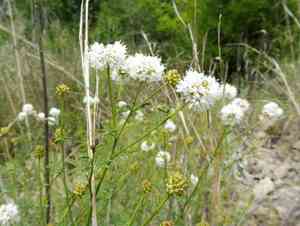
Dalea multiflora, recognized for its vivid blossoms and vigorous development, thrives with trimming predominantly in the early spring period. Cut back any lifeless or compromised stalks to foster robust growth and sculpt the plant's form. Eliminating faded flowers can stimulate more abundant flowering. Be aware of its developmental rhythm; pruning excessively late in the season could impede bloom generation. Consistent trimming aids in preserving the plant's vitality and visual appeal, contributing to a more durable and attractive garden focal point.
What Are the Benefits of Pruning Roundhead Prairie Clover?
What Are the Benefits of Pruning Roundhead Prairie Clover?
Pruning Roundhead prairie clover is beneficial as it encourages robust development, maintains its form, and enhances overall plant vitality, leading to improved flowering and resistance to pests and diseases.
What Is the Best Time for Pruning Roundhead Prairie Clover?
What Is the Best Time for Pruning Roundhead Prairie Clover?
Trimming Roundhead prairie clover in early spring before new growth emerges is optimal because it allows gardeners to eliminate any winter damage and shape the plant for ideal development. This timing also supports healthy growth by reducing stress and disease, ensuring that Roundhead prairie clover can focus its energy on producing vibrant flowers and foliage during the active season.
What Tools Do I Need to Prune Roundhead Prairie Clover?
Hand Pruners
Perfect for making precise cuts on small branches and stems, which promotes healthy regrowth for Roundhead prairie clover. These are particularly useful for thinning and shaping the plant.
Long-Handled Loppers
Suitable for reaching and cutting thicker stems located deeper within Roundhead prairie clover, without excessive bending or stretching.
Bypass Pruners
Deliver accurate cuts, which are crucial for preserving the overall health and appearance of Roundhead prairie clover. These are necessary for cutting live, green wood.
Pruning Saw
Helpful for removing any dead or woody stems that might be present in older or more established Roundhead prairie clover plants. A pruning saw can handle thicker branches that hand pruners cannot cut through.
How to Prune Roundhead Prairie Clover
Inspection
Carefully examine Roundhead prairie clover for any indications of diseased leaves, withered foliage, and dead or ailing branches. Look for discoloration, spots, or any parts that appear dry and brittle.
Sterilize tools
Before making any cuts, sanitize your pruning tools using a solution of one part bleach to nine parts water. This prevents the spread of diseases within Roundhead prairie clover.
Remove diseased leaves
Trim away any diseased leaves, cutting back to healthy tissue. Make sure to properly dispose of the removed leaves to prevent the spread of illness within the garden.
Remove withered leaves
Clip off any withered leaves to maintain the plant's overall health. Trim close to the stem but be cautious not to harm surrounding healthy leaves.
Cut dead and diseased branches
Identify and prune any dead or diseased branches of Roundhead prairie clover. Cut these branches back to the nearest healthy node or branch joint. Ensure clean cuts for better healing and regrowth.
Common Pruning Mistakes with Roundhead Prairie Clover
Over-pruning
Excessive trimming can weaken Roundhead prairie clover, diminishing its capacity to photosynthesize and recover. Removing more than one-third of the plant at a time is often detrimental.
Incorrect Techniques
Using dull or unsuitable tools can cause jagged cuts that invite diseases. Improper cutting angles and tearing instead of clean cuts can also harm Roundhead prairie clover.
Pruning in the Wrong Areas
Cutting back the incorrect parts, such as the main stems rather than older or diseased growth, can hinder proper development and flowering.
Ignoring Deadheading
Failing to remove spent flowers can result in energy being directed towards seed production rather than new growth or more blooms.
Neglecting to Sterilize Tools
Using unsterilized tools can spread diseases between plants, which is particularly harmful to Roundhead prairie clover.
Common Pruning Tips for Roundhead Prairie Clover
Use Clean, Sharp Tools
Ensuring your pruning tools are sharp and sterilized will make clean cuts, minimizing damage and reducing the risk of infection for Roundhead prairie clover.
Focus on Dead, Diseased, and Damaged Wood
Prioritize removing any dead, diseased, or damaged stems to maintain the health and aesthetics of Roundhead prairie clover. This helps prevent the spread of diseases.
Minor Pruning
Performing minor, regular pruning helps maintain the desired shape and encourages healthier growth without stressing Roundhead prairie clover excessively.
Angle Cuts Appropriately
Make cuts at a slight angle, about 45 degrees, just above a leaf node or bud. This allows water to drain away and prevents rot.
Moderate Pruning Amount
Prune no more than one-third of the plant at a time. This prevents shock and supports robust recovery and growth in Roundhead prairie clover.
Deadheading Regularly
Remove spent flowers throughout the growing season to encourage continuous blooming and redirect the plantâs energy toward producing more flowers.



