How to Propagate Roundhead prairie clover?
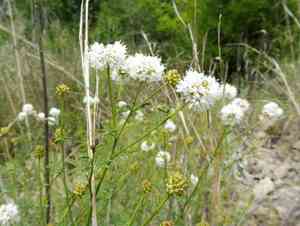
Dalea multiflora, a species within the legume family, generally thrives in adequately drained substrates and ample direct sunlight. For propagation through cuttings, choose semi-lignified stems during their period of vigorous development. Verify that each cutting possesses a minimum of two nodes and strip off the basal foliage prior to inserting them into a damp, sandy substrate. Sustain elevated humidity levels and offer diffused illumination until root systems emerge.
Optimal Period for Propagating Roundhead Prairie Clover
Propagation Method
Cutting
Propagation Period
Spring,Summer
Tools Utilized in Roundhead Prairie Clover Propagation
Pruning Shears
Employed for obtaining healthy cuttings from roundhead prairie clover. They ensure precise cuts, vital for minimizing harm and reducing infection risk.
Rooting Hormone
Boosts root development by supplying essential hormones that stimulate root formation in roundhead prairie clover cuttings. This is especially beneficial for species difficult to root.
Propagation Tray
Facilitates the organized arrangement of roundhead prairie clover cuttings. These trays offer adequate drainage and spacing, crucial for preventing mold and ensuring vigorous growth.
Growing Medium
A sterile, free-draining substrate that supports root establishment in roundhead prairie clover. Specialized mixes often contain perlite and peat, providing the ideal balance of oxygen and moisture.
Humidity Dome
Maintains elevated humidity levels around roundhead prairie clover cuttings, essential for preventing dehydration and promoting successful rooting by reducing moisture loss.
Heat Mat
Positioned beneath the propagation tray to provide consistent warmth from below, encouraging root development in roundhead prairie clover cuttings, particularly in cooler environments.
Spray Bottle
Used to mist the cuttings and maintain high moisture levels without oversaturating the soil, which is critical for preserving the delicate moisture balance required for roundhead prairie clover.
Labels and Markers
Indispensable for tracking various cuttings and their treatment dates, ensuring that the propagation of roundhead prairie clover is well-organized and managed effectively.
How to Propagate Roundhead Prairie Clover?
Propagation Difficulty
Moderately Difficult
Caring for Your Newly Propagated Roundhead Prairie Clover
Caring for Your Newly Propagated Roundhead Prairie Clover
Post-propagation, roundhead prairie clover demands consistent attention. Plant the rooted cuttings in well-draining, sandy or loamy soil in a sunny spot. Water moderately, allowing the soil to dry between waterings. Fertilize sparingly with a balanced, low-nitrogen fertilizer to prevent excessive foliage. Regularly check for pests and diseases, and prune to maintain shape and encourage bushier growth. Apply mulch around the base to retain moisture and suppress weeds. Gradually reduce watering as the plants establish and adapt to local conditions.
Common Errors to Avoid When Propagating Roundhead Prairie Clover
Overwatering
Excessive watering can lead to root rot as roundhead prairie clover prefers well-drained soils. Too much moisture creates an unfavorable environment for the roots.
Incorrect Soil Type
Roundhead prairie clover thrives in sandy or rocky soils. Using heavy, clay-rich soil can hinder root growth and water drainage.
Too Much Shade
Roundhead prairie clover requires full sun to flourish. Planting it in shaded areas can impede growth and prevent flowering.
Improper Seed Handling
Seeds of roundhead prairie clover need scarification to break dormancy. Failure to scarify can result in poor germination rates.
Tips For Propagating Roundhead Prairie Clover
Ensure Good Drainage
Utilize well-drained, sandy or rocky soils to mimic roundhead prairie clover's natural habitat and prevent waterlogging.
Full Sun Exposure
Plant roundhead prairie clover in locations where it will receive full sun for most of the day to ensure robust growth and flowering.
Scarify Seeds
Gently scarify the seeds before planting to improve germination rates. This mimics natural processes that break seed dormancy.
Moderate Watering
Water plants moderately, allowing the soil to dry out between watering sessions to prevent root rot.



