How to Transplant Black prairie clover?
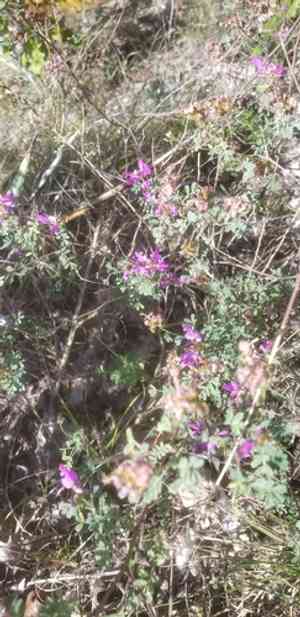
Black prairie clover flourishes when relocated during the lively period of mid to late spring, enabling its root system to settle prior to the summer warmth. It requires a site bathed in sunlight with adequately draining earth. Administer water sparingly after transplanting to avert root decay.
What Preparations are Needed Before Transplanting Black Prairie Clover?
What is the Ideal Time for Transplanting Black Prairie Clover?
The best period for relocating black prairie clover is from early to late spring, as the ground warms. This timing allows for strong root development prior to summer's demands. Moving it during this window benefits from sufficient moisture and extended daylight, fostering vigorous growth and higher survival rates for this perennial.
How Much Space Should You Leave Between Black Prairie Clover Plants?
Position your black prairie clover plants 24-36 inches (60-90 cm) apart. This provides ample room for their growth and spread, preventing competition for resources such as sunlight and water.
What is the Best Soil Mix for Black Prairie Clover Transplanting?
Prepare soil that drains well, ideally sandy or loamy. Incorporate compost or a balanced fertilizer to supply vital nutrients. This aids in establishing robust roots for your black prairie clover.
Where Should You Relocate Your Black Prairie Clover?
Black prairie clover thrives in full sun! Select a spot where they will receive at least 6 hours of direct sunlight daily. This will promote vibrant growth and abundant blooms.
What Equipments Should You Prepare Before Transplantation Black Prairie Clover?
Gardening Gloves
To safeguard your hands while handling soil and the black prairie clover plant.
Shovel or Spade
For digging to extract the black prairie clover plant from its initial spot and to prepare the new planting hole.
Trowel
For more precise digging and careful manipulation around the root system.
Watering Can or Hose
To hydrate the black prairie clover plant both before and after its relocation.
Pruning Shears
To trim any damaged roots or stems during the transplanting process.
Burlap or Plastic Sheet
To safely move the black prairie clover plant's root ball without losing soil or harming roots.
Stakes and Ties (if needed)
To offer support for the black prairie clover plant if it is tall or has large branches requiring stabilization.
How Do You Remove Black Prairie Clover from the Soil?
How Do You Remove Black Prairie Clover from the Soil?
From Ground: First, moisten the black prairie clover plant to dampen the soil. Next, dig a wide trench around the plant using a shovel or spade, ensuring the plant's root ball stays intact. Carefully work the spade beneath the root ball to lift the plant from its original spot.From Pot: Thoroughly water the black prairie clover plant. Gently squeeze the pot to loosen the soil and root ball. Turn the pot on its side and carefully slide the plant out, supporting the root ball with your other hand to prevent damage.From Seedling Tray: Water the seedlings in the tray to facilitate removal. Use a small trowel or the handle of a spoon to gently lift each black prairie clover plant seedling from underneath, making sure to keep as much of the root system intact as possible.
Step-by-Step Guide for Transplanting Black Prairie Clover
Plant Preparation
Water the black prairie clover plant thoroughly in its current location a day prior to transplanting. This helps lessen transplant shock and makes the soil easier to manage.
Hole Preparation
Excavate a new hole in the desired spot that is twice as wide and the same depth as the black prairie clover plantâs root ball. This allows ample space for the roots to spread.
Removal
Carefully extract the black prairie clover plant from its initial location using the appropriate method described above, ensuring the root ball remains undisturbed.
Placing
Position the black prairie clover plant in the center of the new hole, making sure it is at the same depth as it was in its previous spot. The top of the root ball should be level with the ground surface.
Backfilling
Refill the hole with the excavated soil, gently pressing it around the black prairie clover plantâs root ball to eliminate air pockets. Avoid compacting the soil too firmly.
Watering
Water the black prairie clover plant thoroughly but gently to help settle the soil and reduce transplant shock.
How Do You Care For Black Prairie Clover After Transplanting?
Watering
Keep the soil around the black prairie clover consistently moist, but not waterlogged, for the initial weeks post-transplant to aid in strong root establishment.
Mulching
Apply a layer of mulch around the base of the black prairie clover plant to retain moisture and regulate soil temperature. Keep mulch a few inches away from the stem to prevent rot.
Monitoring
Observe the black prairie clover plant for indications of stress, such as wilting or yellowing leaves. This may signal a need for more water or other adjustments in care.
Support (if needed)
Install stakes and ties if your black prairie clover plant requires additional support. Ensure the ties are not too tight to avoid damaging the stem.
Troubleshooting Common Issues with Black Prairie Clover Transplantation.
When is the best time to transplant black prairie clover?
The optimal period to relocate black prairie clover is from early to late spring.
What is the ideal spacing for planting black prairie clover?
Space black prairie clover plants approximately 24-36 inches (61-91 cm) apart for best growth.
How should I prepare the soil before transplanting black prairie clover?
Ensure well-draining soil with added compost to enhance fertility before transplanting black prairie clover.
How much water should I give black prairie clover after transplanting?
Water black prairie clover thoroughly after transplanting and maintain consistent moisture until it is established.
What should I do if black prairie clover leaves start turning yellow?
Yellow leaves might indicate overwatering or poor drainage; adjust watering and improve soil drainage.
How deep should I plant black prairie clover during transplanting?
Plant black prairie clover at the same depth it was growing previously to minimize stress.
Should I trim black prairie clover before transplanting?
Trimming damaged or dead parts can help reduce shock during the transplanting process for black prairie clover.
What are common pests affecting black prairie clover during transplanting?
Look out for aphids or spider mites; use appropriate organic insecticides if an infestation occurs on black prairie clover.
How can I protect black prairie clover from transplant shock?
Adequate watering, mulching, and avoiding extreme temperature shifts can lessen transplant shock for black prairie clover.
Is it necessary to fertilize black prairie clover after transplanting?
Lightly feeding black prairie clover with a balanced fertilizer can support its transition and growth post-transplant.



